
Treatment Overview
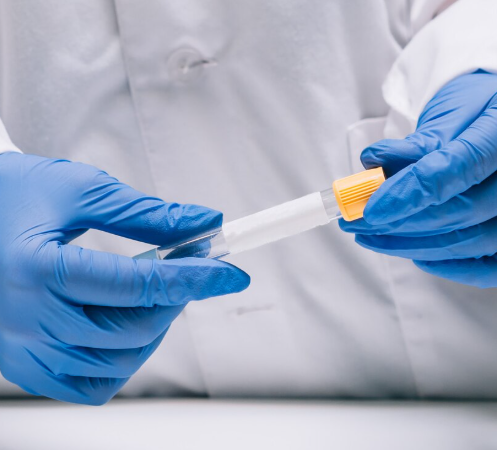
STI Antibody Testing in Korea is an advanced diagnostic service designed to detect antibodies in the blood that indicate exposure to sexually transmitted infections (STIs). This type of testing is essential for identifying infections such as HIV, syphilis, herpes simplex virus (HSV), hepatitis B and C, and other viral or bacterial STIs. Unlike standard antigen testing, antibody testing reveals whether the immune system has responded to an infection, which can indicate past or chronic infections as well as recent exposure.
Korea is at the forefront of STI antibody testing due to its advanced laboratory technology, strict quality control standards, and integration of testing into broader women’s health and OBGYN care. Testing is often offered as part of comprehensive sexual health packages that combine antibody screening with molecular diagnostics, providing a complete view of reproductive health and infection status.
Purpose & Benefits
The purpose of STI Antibody Testing is to provide accurate and early detection of STIs that may not be detectable through antigen or culture-based tests alone. This is especially important for infections that can remain dormant or asymptomatic for long periods.
Key benefits include:
- Early and reliable detection of STIs through immune response analysis.
- Ability to detect past infections and assess immunity status.
- Identification of chronic infections requiring long-term care.
- Integration with broader STI screening and women’s health checks.
- Confidential and discreet testing for privacy and peace of mind.
For women, antibody testing is an important tool to safeguard reproductive health, prevent complications, and guide appropriate treatment.
Ideal Candidates
STI Antibody Testing is recommended for:
- Sexually active women seeking comprehensive STI screening.
- Individuals who may have been exposed to STIs through unprotected sexual contact.
- Women with symptoms such as unusual discharge, sores, pelvic pain, or genital irritation.
- Women with a history of STIs who wish to confirm immunity or recurrence.
- Pregnant women undergoing prenatal care to prevent maternal and fetal complications.
- Patients who want a complete understanding of their sexual health history.
Korean clinics ensure that antibody testing is accessible, safe, and confidential for both local residents and international patients.
Possible Risks & Complications
STI antibody testing is non-invasive and carries minimal risk, with most procedures involving a simple blood draw. Possible minor side effects include:
- Slight discomfort or bruising at the injection site.
- Mild dizziness or lightheadedness during or after sample collection.
- Rare allergic reaction to antiseptics used during sampling.
The greater risks lie in undetected or untreated infections, which can lead to serious complications such as infertility, chronic pain, systemic illness, and transmission of infections to partners or, in the case of pregnancy, to the child. Antibody testing mitigates these risks through early and accurate detection.
Techniques Used
Korean medical facilities use advanced laboratory technologies for STI antibody testing:
- Enzyme-Linked Immunosorbent Assay (ELISA) – highly sensitive and specific for detecting antibodies to HIV, syphilis, and hepatitis viruses.
- Western Blot Confirmation – used for definitive confirmation of certain infections, particularly HIV.
- Rapid Antibody Tests – convenient point-of-care testing for faster preliminary results.
- Multiplex Serology – simultaneous detection of antibodies for multiple STIs from a single blood sample.
These techniques ensure that testing is accurate, efficient, and able to detect both recent and past infections.
Recovery & Aftercare
STI antibody testing requires no recovery period beyond the brief moment of blood collection. Patients can continue normal activities immediately after the test.
Aftercare steps include:
- Receiving results through confidential channels such as secure online portals or private consultations.
- Discussion of results with a qualified gynecologist or sexual health specialist.
- Follow-up testing or confirmatory tests if antibodies are detected.
- Development of a treatment or management plan if an active infection is found.
- Counseling on prevention, safe sexual practices, and regular follow-up testing.
These aftercare measures ensure comprehensive management of reproductive health.
Results & Longevity
STI antibody tests generally produce results within 1–5 days depending on the laboratory and type of test. Rapid antibody tests can deliver preliminary results within minutes, though confirmatory testing is often recommended for accuracy.
Antibody testing offers long-term value by revealing past exposure, current immunity status, and the need for ongoing monitoring. Regular antibody testing, especially for high-risk individuals, helps ensure sustained sexual health and early intervention.
Treatment Process in Korea
The process for STI Antibody Testing in Korea is straightforward and patient-friendly:
- Consultation with a gynecologist or sexual health specialist to assess risk factors.
- Blood sample collection in a sterile clinical environment.
- Laboratory testing using advanced immunoassay or rapid test technology.
- Confidential delivery of results via secure digital platforms or in-person consultation.
- Follow-up care or treatment planning if results indicate an infection.
Why Korea is a leading destination:
- Cutting-edge laboratory technology for highly accurate antibody detection.
- Integrated women’s health services combining STI testing, preventive screening, and treatment.
- Efficient service with fast turnaround times.
- Strict confidentiality and privacy protection.
- Multilingual support for international patients.
Cost Range
The cost of STI Antibody Testing in Korea depends on the number of infections tested and the method used:
- Single infection antibody test: ₩80,000 – ₩150,000 KRW ($65–$120 USD).
- Comprehensive antibody panels: ₩250,000 – ₩500,000 KRW ($200–$400 USD).
- Combined STI antibody and antigen testing packages: ₩400,000 – ₩900,000 KRW ($320–$720 USD).
Many clinics offer bundled women’s health packages that include antibody testing alongside HPV screening, Pap smear, and full STI panels.
Popular Clinics in Korea
Leading providers of STI Antibody Testing include:
- Samsung Medical Center, Seoul – advanced antibody testing with integrated care.
- Asan Medical Center, Seoul – comprehensive STI antibody and antigen screening services.
- Severance Hospital, Yonsei University – expert diagnostics for women’s sexual health.
- CHA Bundang Women’s Hospital – specialized in confidential antibody testing and STI management.
- Ewha Womans University Medical Center – discreet and accurate STI antibody testing.
- Private sexual health clinics in Gangnam – personalized antibody testing packages for local and international patients.


