
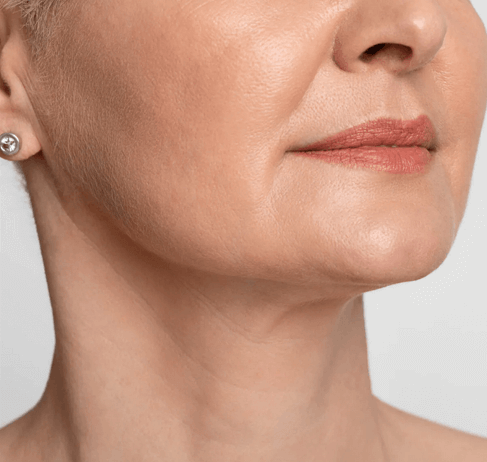
Treatment Overview
As we age, the skin on the neck often loses its firmness and elasticity, leading to sagging, wrinkles, and a loss of contour. Subdermal neck rejuvenation in Korea is a non-surgical cosmetic procedure designed to address these concerns by stimulating collagen production and tightening the skin beneath the surface. This treatment typically involves the use of advanced technologies such as High-Intensity Focused Ultrasound (HIFU), Radiofrequency (RF) therapy, and injectable skin boosters like Rejuran or PDRN (polynucleotide). These methods work synergistically to promote skin regeneration, improve texture, and restore a youthful appearance to the neck area.
Purpose & Benefits
The primary goals of subdermal neck rejuvenation are:
- Skin Tightening: Stimulating collagen and elastin production to firm and lift sagging skin.
- Wrinkle Reduction: Smoothing out fine lines and wrinkles, particularly horizontal neck lines and vertical platysma bands.
- Enhanced Skin Texture: Improving skin elasticity and overall texture for a more youthful appearance.
- Non-Surgical Solution: Offering an alternative to invasive procedures like neck lifts, with minimal downtime and risks.
- Long-Term Results: Providing gradual and lasting improvements as collagen production increases over time.
Ideal Candidates
Ideal candidates for subdermal neck rejuvenation include:
- Individuals experiencing mild to moderate skin laxity or wrinkles in the neck area.
- Those seeking non-invasive alternatives to surgical neck lifts.
- Patients in good overall health with realistic expectations about the outcomes.
- People looking to complement facial rejuvenation treatments for a more harmonious appearance.
Possible Risks & Complications
While subdermal neck rejuvenation procedures are generally safe, potential risks and side effects may include:
- Temporary redness, swelling, or bruising at the treatment site.
- Mild discomfort or tenderness during or after the procedure.
- Rare allergic reactions to injectable materials.
- Uneven results or the need for touch-up treatments.
- Very low risk of infection due to Korea’s strict clinical hygiene standards.
Treatment Techniques Used
Korean clinics employ a combination of advanced techniques for subdermal neck rejuvenation:
- HIFU (High-Intensity Focused Ultrasound): Targets deep layers of the skin to stimulate collagen production and tighten the skin.
- Radiofrequency (RF) Therapy: Uses heat energy to promote collagen remodeling and improve skin elasticity.
- Injectable Skin Boosters (Rejuran, PDRN): Deliver regenerative agents beneath the skin to enhance hydration, texture, and firmness.
- Combination Therapies: Integrating treatments like PRP (Platelet-Rich Plasma) or laser therapy to enhance overall results.
Recovery & Aftercare
- Downtime: Minimal; most patients resume normal activities immediately.
- Post-Treatment Care:
- Avoid excessive sun exposure and apply sunscreen regularly.
- Refrain from strenuous activities or massages in the treated area for a few days.
- Keep the neck area moisturized and follow any specific aftercare instructions provided by the clinic.
- Follow-Up: Regular check-ups may be recommended to assess results and determine if additional treatments are necessary.
Results & Longevity
- Immediate Effects: Some tightening and smoothing may be noticeable shortly after treatment.
- Collagen Stimulation: Full results develop gradually over 2–3 months as collagen production increases.
- Longevity: Results can last 6–12 months, depending on individual factors and maintenance treatments.
- Maintenance: Periodic touch-up sessions may be recommended to sustain optimal results.
Treatment Process in Korea
Korea is a leading destination for subdermal neck rejuvenation due to its advanced medical technology, skilled practitioners, and innovative approaches. The typical treatment process includes:
- Consultation & Assessment: A thorough evaluation of the neck area to determine the appropriate treatment plan.
- Customized Treatment: Selection of suitable technologies and techniques tailored to the patient’s needs.
- Procedure: Administration of the chosen treatments, which may involve multiple sessions depending on the complexity.
- Aftercare: Detailed instructions provided to ensure proper healing and optimal results.
Korean clinics are known for their precision and attention to detail, utilizing state-of-the-art equipment and techniques to achieve natural-looking outcomes. Many clinics also offer services in multiple languages, making them accessible to international patients.
Cost Range
The cost of subdermal neck rejuvenation in Korea varies based on the type of treatment, clinic reputation, and the number of sessions required:
- HIFU (Neck & Jawline): ₩500,000 – ₩900,000 per session.
- RF Tightening (Per Session): ₩250,000 – ₩400,000.
- Injectable Skin Boosters (Rejuran, PDRN): ₩250,000 – ₩400,000 per session.
- Combination Packages (3 sessions): ₩1,200,000 – ₩1,800,000.
Note: Prices are approximate and may vary between clinics.
Popular Clinics in Korea
Several clinics in Korea are renowned for their expertise in subdermal neck rejuvenation:
- EGG Skin Clinic (Gangnam, Seoul): Specializes in non-invasive lifting procedures tailored for natural and subtle rejuvenation.
- Lienjang Clinic (Myeongdong, Seoul): Offers personalized Thermage FLX treatments for skin elasticity improvement.
- PangPang Clinic (Gangnam, Seoul): Known for its pioneering thread lifting techniques and individualized care.
- B.V Clinic (Sinnonhyeon, Seoul): Provides an integrated approach to skin rejuvenation with advanced skin tightening technologies.
These clinics are recognized for their commitment to patient satisfaction, safety, and delivering high-quality results.


