
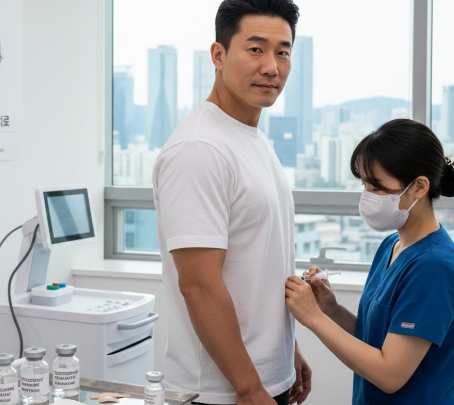
Treatment Overview
Testosterone Injection Therapy is a medical treatment designed to restore healthy testosterone levels in men experiencing hormonal decline, commonly due to aging, stress, metabolic conditions, or hypogonadism. In Korea, testosterone therapy is administered through intramuscular injections performed by licensed endocrinologists, urologists, and men’s health specialists. The process helps regulate hormonal balance, improve sexual health, boost energy, enhance muscle formation, and elevate overall physical and emotional well-being. Korean clinics use advanced hormone monitoring systems, regular blood tests, and digital analysis to ensure optimal dosage and safety throughout the treatment period.
Purpose & Benefits
The primary purpose of testosterone therapy is to stabilize hormonal function and increase testosterone levels to support vital bodily functions. Men undergoing therapy frequently report higher stamina, improved sleep quality, mental clarity, and greater motivation. Libido increases, erectile function stabilizes, and overall sexual performance improves. From a physical standpoint, patients benefit from increased muscle mass, reduced body fat, stronger bones, and enhanced athletic recovery. Many international patients also pursue testosterone therapy in Korea due to its reputation for precise diagnostics, hygienic medical environments, and strict adherence to global endocrine standards. For men facing symptoms such as chronic fatigue, depression, belly fat accumulation, hair thinning, or loss of sexual interest, testosterone injections deliver reliable and measurable results.
Ideal Candidates
This treatment is ideally suited for men diagnosed with low testosterone, hypogonadism, sexual dysfunction, premature aging, reduced stamina, or declining concentration. Men over 35 and those with high stress levels, obesity, sleep disorders, intense athletic schedules, or metabolic imbalances also benefit significantly. Ideal candidates must undergo hormone screening before treatment, including prostate function, heart activity, and full blood analysis to confirm eligibility. Patients with severe heart disease, uncontrolled diabetes, active prostate cancer, or clotting disorders may not qualify unless cleared by specialized physicians.
Possible Risks & Complications
Though Korea maintains exceptional safety standards, testosterone therapy has potential side effects. Possible complications include acne, mild swelling at injection sites, increased red blood cell count, fluid retention, mood fluctuations, and temporary breast tissue swelling. In rare cases, testosterone therapy may elevate prostate markers, requiring ongoing monitoring and urology supervision. Because Korea follows international endocrine safety protocols, every patient undergoes routine hormone testing, prostate evaluation, and cardiovascular monitoring to measure response and minimize risks. Patients are advised not to self-administer without medical approval, as improper dosing significantly increases complications.
Techniques & Technology Used
Korean men’s health clinics utilize digital endocrine mapping, precise hormone tracking apps, laboratory hormone assays, and automated dosage injection tools. Testosterone is commonly administered via intramuscular injections placed in the gluteal or thigh muscle. Clinics use FDA-approved testosterone types such as cypionate, enanthate, and undecanoate, depending on long-term treatment goals. 3D body composition scanning, metabolism check systems, and AI hormone analysis software help specialists determine the safest and most effective dosage plan. Korea’s advanced medical imaging and continuous hormonal tracking technology ensure patient-specific treatment planning and faster symptom improvement.
Treatment Process in Korea
The treatment process begins with consultation and detailed hormone evaluation. A medical interpreter or English-speaking staff assists international patients throughout registration, examination, and test scheduling. Next, patients undergo blood testing, prostate assessment, body fat analysis, and metabolic scanning. Once results confirm hormonal deficiency, the doctor designs a personalized injection schedule, typically administered every 1–4 weeks depending on hormonal response. During each visit, testosterone is injected in a sterile clinical environment, followed by monitoring to check for side effects. Patients receive regular follow-ups, lifestyle tips, nutritional advice, and ongoing hormone charting to measure improvement and maintain balance.
Recovery & After-Care
Unlike surgical procedures, recovery for testosterone therapy is minimal. Patients may return to normal activities immediately after injection. Light soreness at the injection site is common but temporary. To maximize benefits, doctors recommend hydration, controlled weight training, balanced diet, and consistent sleep cycles. Follow-up hormone testing is scheduled every 2–3 months to adjust dosage and maintain safe levels. Alcohol moderation, reduced smoking, and stress management further support hormonal regulation. Patients are advised not to skip follow-ups to avoid fluctuations or exaggerated hormone rebound.
Results & Longevity
Many patients begin to see noticeable improvements within 4–6 weeks. Libido, mood, and physical strength often increase first, followed by body fat reduction and muscle growth over 3–6 months. Long-term results depend on sustained hormone management and lifestyle discipline. With proper monitoring, testosterone therapy can deliver lasting improvement in overall vitality, emotional stability, sexual function, and metabolic health. Korea’s precision-based hormone tracking technology allows patients to maintain balanced testosterone levels without overdependence.
Why Korea Is a Top Destination
Korea is globally recognized for advanced hormone replacement treatments due to its precision diagnostics, internationally trained specialists, and superior men’s wellness facilities. Clinics utilize multilingual staff, luxurious medical tourism support, airport pickup options, hotel-booking services, and after-care management teams. Prices are significantly lower than the United States, Canada, or Europe, and treatment outcomes maintain exceptionally high satisfaction rates. Korean hospitals offer world-class safety, digital tracking systems, AI-based analysis tools, and strict medical regulatory standards, making the country a trusted destination for hormone care.
Cost Range
The cost of Testosterone Injection Therapy in Korea ranges between USD 800 to 2,400 per year, depending on dosage plan, injection frequency, laboratory testing schedule, and clinic experience. Initial hormone analysis may cost between USD 120 to 250. Some clinics offer medical visa assistance and package deals that include accommodation, translation support, and ongoing hormone evaluations.
Popular Clinics in Korea
- Seoul National University Hospital Men’s Hormone Center
- JK Medical Men’s Wellness & Hormone Clinic, Seoul
- Yonsei Severance Wellness & Endocrine Center
- Banobagi Men’s Health Clinic, Gangnam
- Samsung Medical Men’s Hormone Research Institute


