
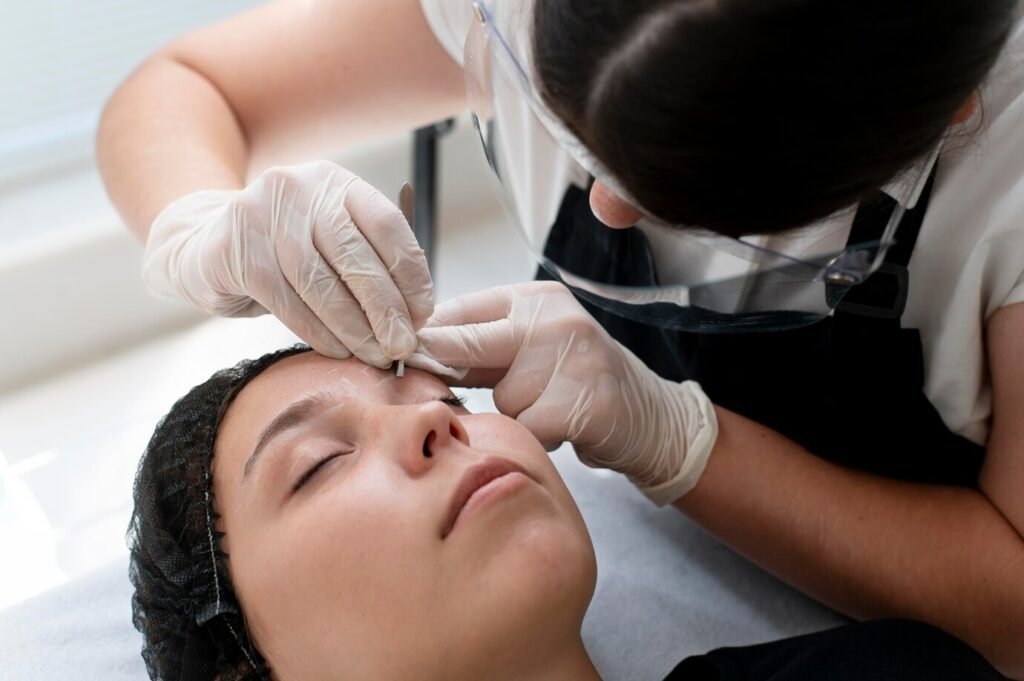
Alar reduction surgery—a popular cosmetic procedure to refine the width of the nostrils—is one of the top-requested facial surgeries in South Korea. If you’re considering traveling to Korea for this procedure, careful preparation is key to ensuring a smooth, successful, and stress-free experience.
This comprehensive travel checklist will help you plan every stage of your medical journey, from choosing the right clinic to post-op recovery.
✅ 1. Pre-Travel Preparation
🔍 Research Your Clinic and Surgeon
- Look for board-certified plastic surgeons with experience in alar base reduction (alarplasty).
- Read reviews, testimonials, and before/after photos.
- Check if the clinic offers English-speaking staff and international patient coordinators.
Tip: Clinics in Seoul’s Gangnam district often specialize in facial contouring and have extensive experience with international patients.
📑 Medical Records to Bring
- Medical history (especially any nasal conditions or surgeries)
- Allergies and medications
- Photos for consultation (front and profile shots of your nose)
💉 Consult Your Local Doctor
- Ensure you are in good health for surgery and international travel.
- Get necessary vaccinations or prescriptions before departure.
🧳 2. Packing List for Alar Reduction Patients
📂 Travel & Medical Essentials
- Passport with at least 6 months’ validity
- Visa (if required for your nationality)
- Copy of surgery booking and payment confirmation
- Travel insurance (preferably one that covers medical tourism)
🧼 Post-Surgery Care Items
- Saline nasal spray or mild cleanser (ask your clinic for specific products)
- Ice packs or cooling masks
- Antiseptic wipes
- Small mirror
- Gauze pads or cotton swabs
🩹 Comfortable Clothing & Accessories
- Button-up shirts or zip-ups (to avoid pulling over your face)
- Loose, soft clothing for comfort post-op
- Slip-on shoes
- Travel pillow and eye mask
- Sunglasses or a mask to hide swelling during outings
🏥 3. Arrival and Pre-Surgery Prep in Korea
🏨 Book Nearby Accommodation
- Choose a hotel or serviced apartment near your clinic (preferably within Gangnam, Apgujeong, or Sinsa-dong).
- Ensure it has amenities like a kitchenette, elevator, and quiet environment for recovery.
📅 Pre-Op Appointments
- Arrive at least 2–3 days before surgery for in-person consultation and final assessment.
- Get blood tests or scans if required.
- Discuss expectations, scar placement, and healing timeline with your surgeon.
🕊️ 4. Post-Surgery Recovery in Korea
🛌 Recovery Timeframe
- Initial recovery: 3–5 days (mild discomfort, swelling, and bruising)
- Stitches removed: Usually after 5–7 days
- Safe to fly home: Around 7–10 days post-op, depending on healing
💡 Tips for a Smooth Recovery
- Stay indoors and rest, especially for the first 3 days.
- Follow all instructions: icing, cleaning, and medication.
- Avoid alcohol, hot food, and intense exercise.
- Sleep with your head elevated to reduce swelling.
🧾 5. Important Post-Travel Considerations
📲 Follow-Up Care
- Schedule remote follow-up consultations (many clinics offer video checkups).
- Send progress photos every 2–4 weeks if requested by your clinic.
🌍 Customs and Medication
- Carry a doctor’s note or prescription if bringing leftover medication home.
- Be aware of customs regulations in your country regarding carrying ointments, antibiotics, or leftover anesthetics.
🧭 BONUS: Useful Apps & Resources
- Papago or Naver Translate – Real-time translation with Korean
- KakaoMap – More accurate than Google Maps in Korea
- KakaoTaxi – Easy, cashless transportation
- Korea Tourism Organization – For travel tips, emergency contacts, and visa info
🌟 Final Thoughts
Traveling to Korea for alar reduction surgery is an exciting journey toward facial refinement and confidence. With careful planning and the right checklist, you’ll not only have a successful procedure but also enjoy a safe and memorable experience in one of the world’s leading destinations for cosmetic surgery.


