
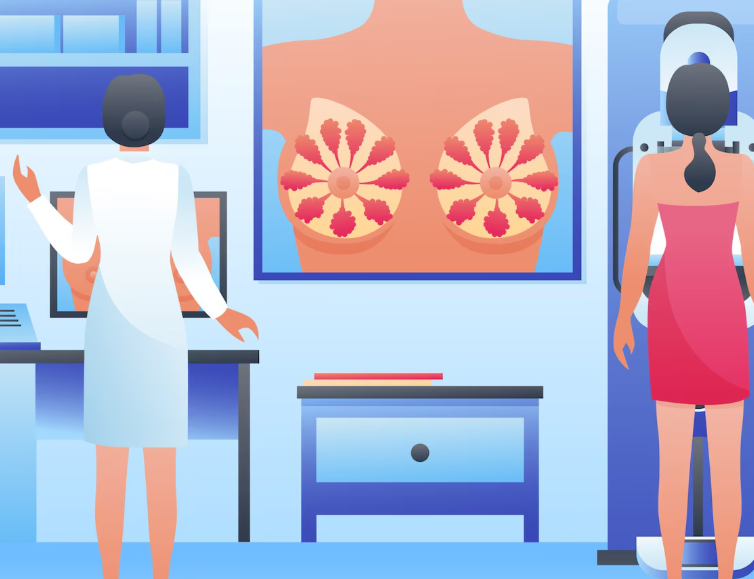
Treatment Overview
The Thermographic Breast Screening Program in Korea is a non-invasive, radiation-free breast imaging service designed to detect early changes in breast tissue using advanced infrared thermography technology. Korea is renowned for its excellence in women’s health care, combining innovative diagnostic tools with patient-centered care. Thermographic breast screening offers a unique preventive approach that complements conventional imaging methods such as mammography and ultrasound.
This program uses highly sensitive infrared cameras to capture thermal images of the breast, identifying temperature variations that may indicate abnormal tissue changes, inflammation, or increased blood flow linked to cancerous activity. Thermographic screening is particularly beneficial for women seeking a safe, comfortable, and radiation-free breast health check, and is widely offered in top Korean medical centers including Samsung Medical Center, Asan Medical Center, Severance Hospital, and CHA Bundang Women’s Hospital.
By integrating thermographic screening into preventive breast health programs, Korea delivers a holistic approach to early detection and ongoing breast health management.
Purpose & Benefits
The main objective of the Thermographic Breast Screening Program is to detect early physiological changes in breast tissue before they develop into clinically detectable tumors. This proactive approach supports early intervention and improves breast health outcomes.
Key benefits include:
- Non-Invasive & Radiation-Free: Thermography uses infrared imaging without exposure to harmful radiation.
- Early Detection: Identifies abnormal heat patterns that may indicate early breast changes.
- Comfortable Screening: No compression or discomfort, making it ideal for sensitive patients.
- Safe for Frequent Use: Can be repeated regularly without health risk.
- Holistic Health Insight: Provides additional physiological data alongside conventional imaging.
- Complementary Screening: Enhances early detection when used with mammography and ultrasound.
Thermographic breast screening is a valuable addition to Korea’s preventive breast health strategies, offering safe and repeatable assessment for ongoing wellness.
Ideal Candidates
Thermographic Breast Screening is suitable for women who want a safe and non-invasive method of breast health monitoring. Recommended candidates include:
- Women of all ages seeking preventive breast health evaluation.
- Patients with dense breast tissue where mammography may be limited.
- Women who prefer radiation-free imaging options.
- Individuals with breast pain, tenderness, or changes not explained by other tests.
- High-risk patients seeking additional early detection methods.
Korean medical institutions encourage thermographic screening as part of a holistic breast health program, especially for women who prefer gentle, non-invasive methods.
Possible Risks & Limitations
Thermographic breast screening is considered safe, but patients should be aware of its limitations:
- Not a Standalone Diagnostic Tool: Thermography cannot replace mammography or ultrasound for definitive diagnosis.
- Sensitivity to External Factors: Temperature variations may be affected by room conditions, recent physical activity, or hormonal changes.
- False Positives/Negatives: Rare cases may require confirmatory testing.
- Limited Availability: Requires specialized equipment and trained thermography technicians.
Korean hospitals address these limitations by integrating thermography with traditional imaging and clinical evaluation for more accurate screening results.
Techniques Used
The Thermographic Breast Screening Program in Korea utilizes advanced infrared imaging and analysis systems:
- Infrared Thermography: Captures high-resolution thermal images of the breast surface to detect abnormal heat patterns.
- AI-Assisted Image Interpretation: Korean-developed AI tools analyze thermographic data for enhanced accuracy and early detection.
- Baseline Imaging & Comparative Analysis: Compares images over time to detect subtle changes.
- Integration with Conventional Screening: Thermography findings are combined with mammography, ultrasound, or MRI results for a comprehensive breast health profile.
This combination of innovative technology and expert analysis ensures Korea’s thermographic breast screening is both precise and patient-friendly.
Recovery & Aftercare
Thermographic breast screening is completely non-invasive and requires no recovery time. Patients can resume normal activities immediately after the procedure.
Aftercare typically includes:
- Detailed review of thermal imaging results by a certified breast specialist.
- Recommendations for follow-up screening or additional imaging if needed.
- Lifestyle and health counseling for breast wellness.
- Education on self-breast examination techniques.
Korean hospitals ensure patients leave with a clear understanding of their results and personalized recommendations for maintaining breast health.
Results & Longevity
Thermographic breast screening results are generally available within 24–48 hours. Many hospitals in Korea offer online access to results through secure patient portals for convenience.
Thermographic results are best interpreted as part of an ongoing breast health monitoring program, with repeat scans recommended every 6–12 months depending on risk factors. When combined with mammography or ultrasound, thermography contributes to earlier detection and a more complete breast health profile.
Long-term studies in Korea have shown that thermographic screening improves early detection rates when integrated with conventional imaging, making it a valuable component of preventive breast care.
Treatment Process in Korea
- Initial Consultation: Review of medical history, symptoms, and risk factors.
- Thermographic Imaging Session: Non-contact thermal scanning of the breasts in a controlled environment.
- AI-Assisted Analysis: High-precision interpretation of thermal images by specialized software.
- Specialist Review: Detailed evaluation and discussion of results with a breast health specialist.
- Personalized Recommendations: Guidance on lifestyle, follow-up screening, or further diagnostic testing if needed.
Korean clinics ensure this process is efficient, painless, and completed in one visit for most patients.
Cost Range
Costs for Thermographic Breast Screening in Korea vary depending on the facility and package:
- Basic Thermography Screening: ₩150,000 – ₩300,000 KRW ($110 – $220 USD)
- Comprehensive Thermographic Breast Screening Package: ₩400,000 – ₩700,000 KRW ($300 – $520 USD)
- Integrated Thermography & Mammography Package: ₩700,000 – ₩1,200,000 KRW ($520 – $900 USD)
Korea offers competitive pricing for advanced breast screening with internationally accredited facilities and specialists.
Popular Clinics for Thermographic Breast Screening in Korea
- Samsung Medical Center Breast Health Center – Known for combining thermography with AI-assisted imaging.
- Asan Medical Center – Integrates thermographic breast screening with mammography and ultrasound.
- Severance Hospital – Offers comprehensive breast health programs including thermography.
- CHA Bundang Women’s Hospital – Specialized thermographic screening for preventive care.
- Ewha Womans University Mokdong Hospital – Focuses on holistic women’s health with innovative thermographic screening.


