
Treatment Overview
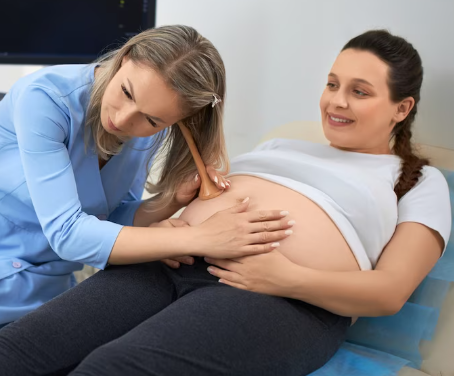
The Third-Trimester Preparation Program in Korea is a specialized prenatal care plan focused on supporting expectant mothers during the final stage of pregnancy — typically from week 28 to delivery. This program combines advanced maternal-fetal monitoring, labor preparation, emotional wellness support, and nutritional management to ensure both the mother and baby are fully ready for a safe and comfortable birth.
Korean OBGYN clinics are world-renowned for their high standards of obstetric care, precision diagnostics, and compassionate patient guidance. The Third-Trimester Program provides a structured approach to managing physical changes, identifying late-pregnancy risks, and preparing for delivery with confidence and clarity.
Purpose & Benefits
The purpose of the Third-Trimester Preparation Program is to monitor fetal development, ensure maternal health stability, and provide practical preparation for labor and delivery. It also helps reduce anxiety through education and physical readiness.
Key Benefits:
- Comprehensive fetal monitoring: Ensures baby’s growth, position, and well-being.
- Labor and delivery preparation: Teaches breathing, posture, and pain management techniques.
- Prevention of complications: Early detection of preeclampsia, gestational diabetes, or preterm labor.
- Nutritional guidance: Supports maternal strength and energy before childbirth.
- Mental and emotional support: Reduces anxiety and promotes positive birthing experiences.
- Postnatal readiness: Educates mothers on newborn care and postpartum recovery.
By combining medical precision with holistic prenatal care, Korea’s third-trimester program offers mothers reassurance and empowerment as they approach childbirth.
Ideal Candidates
The Third-Trimester Preparation Program is ideal for all pregnant women entering the final stage of pregnancy, especially those seeking structured support and guidance.
Ideal Candidates Include:
- Expectant mothers between 28–40 weeks of pregnancy.
- First-time mothers seeking education and physical preparation for labor.
- Women with mild pregnancy complications such as swelling, anemia, or gestational diabetes.
- Mothers with multiple pregnancies requiring closer monitoring.
- Patients recovering from high-risk conditions or undergoing IVF pregnancies.
- Women looking to manage stress and improve sleep during late pregnancy.
Korean maternity clinics tailor third-trimester plans to fit each mother’s health profile and birthing preferences.
Possible Risks & Complications
The Third-Trimester Preparation Program itself is non-invasive and risk-free. However, this period can present potential complications that the program aims to prevent or manage.
Common Conditions Monitored:
- Gestational hypertension or preeclampsia.
- Preterm labor signs.
- Fetal growth restriction or abnormal positioning.
- Amniotic fluid imbalance.
- Placental complications.
- Maternal fatigue, back pain, and sleep disturbance.
Through continuous supervision, Korean OBGYN specialists ensure timely interventions and a stable pregnancy outcome.
Techniques & Methods Used
The Third-Trimester Preparation Program in Korea combines medical assessment, educational counseling, and physical conditioning techniques to optimize readiness for childbirth.
1. Advanced Ultrasound Scans
- Evaluates fetal position, movement, and growth progress.
- Assesses placenta and amniotic fluid levels for delivery planning.
2. Fetal Monitoring & Doppler Studies
- Tracks baby’s heart rate and oxygen levels to confirm well-being.
- Identifies any fetal stress or circulation issues.
3. Maternal Health Evaluation
- Includes blood pressure checks, urine testing, and blood work.
- Detects late-onset complications like preeclampsia or anemia.
4. Labor Preparation Classes
- Provides instruction on breathing, stretching, and relaxation techniques.
- Educates mothers about the stages of labor and delivery expectations.
5. Nutritional and Physical Guidance
- Customized diet plans to support energy and healthy weight gain.
- Gentle prenatal exercises improve flexibility and circulation.
6. Psychological and Emotional Support
- Counseling sessions to reduce stress, enhance confidence, and prepare mentally for motherhood.
7. Delivery Planning Consultation
- Discussion of birth preferences (natural or cesarean).
- Review of hospital protocols and pain management options.
Each component of the program is designed to promote physical preparedness, emotional strength, and maternal-fetal safety.
Recovery & Aftercare
The program includes continuous follow-up and early postpartum guidance to ensure smooth recovery after childbirth.
Aftercare Recommendations:
- Continue routine prenatal visits: Maintain check-ups until delivery.
- Practice breathing and stretching exercises: Helps with pain control during labor.
- Follow diet and hydration guidelines: Prevents fatigue and swelling.
- Prioritize rest: Sleep and relaxation reduce stress before delivery.
- Monitor fetal movement daily: Report any irregularities immediately.
- Prepare postpartum essentials: Plan for recovery and newborn care.
Korean hospitals also provide postnatal wellness programs that seamlessly transition from the prenatal plan.
Results & Longevity
The Third-Trimester Preparation Program produces measurable improvements in both maternal and fetal outcomes.
Expected Results:
- Healthy maternal condition at delivery.
- Optimal fetal growth and positioning.
- Reduced delivery complications.
- Smooth, confident labor experience.
- Faster postpartum recovery.
- Improved emotional resilience and maternal well-being.
Long-term, this preparation enhances postpartum adjustment and overall maternal health.
Treatment Process in Korea
Step 1 – Initial Third-Trimester Evaluation
- Full physical check-up, blood tests, and ultrasound imaging.
- Review of maternal and fetal health indicators.
Step 2 – Customized Birth Preparation Plan
- Personalized schedule for monitoring, counseling, and wellness sessions.
- Birth plan discussion with OBGYN specialists.
Step 3 – Continuous Maternal-Fetal Monitoring
- Regular appointments for ultrasound and fetal movement tracking.
- Ongoing adjustments to nutrition, activity, and rest plans.
Step 4 – Education & Coaching Sessions
- Labor preparation workshops, breathing exercises, and emotional counseling.
- Guidance for postpartum and newborn care.
Step 5 – Delivery Coordination
- Hospital admission planning and final medical evaluation.
- Coordination with labor and delivery specialists for safety and comfort.
Why Korea Excels
- Highly trained OBGYN specialists with global experience in late-pregnancy care.
- Advanced fetal diagnostic systems offering high-accuracy results.
- Holistic approach blending medical precision with emotional and physical support.
- Comprehensive hospital facilities equipped for both natural and high-risk births.
- International reputation for exceptional maternal safety and comfort.
Korea’s maternity care system ensures expectant mothers are fully prepared for labor — both medically and emotionally.
Cost Range
The cost of the Third-Trimester Preparation Program in Korea depends on the hospital, number of visits, and additional wellness services included.
Typical Pricing:
- Basic Third-Trimester Monitoring (Ultrasound + Consultation): USD 150 – 250
- Comprehensive Preparation Plan (Check-ups + Coaching): USD 400 – 700
- Full Third-Trimester Care Package (Medical + Education + Support): USD 800 – 1,200
- Premium Delivery Preparation Program: USD 1,500 – 2,000
These programs generally include consultations, monitoring, educational sessions, and access to prenatal specialists.
Popular Clinics in Korea
- CHA Fertility Center (Seoul / Bundang): Specializes in advanced late-pregnancy and delivery care.
- Maria Fertility Hospital: Provides trimester-specific prenatal and birth preparation programs.
- MizMedi Women’s Hospital: Offers full-service third-trimester support for mothers and babies.
- Hamchoon Women’s Clinic: Focuses on maternal-fetal health and childbirth readiness.
- Seoul National University Hospital (OBGYN): Known for expert management of high-risk and late-stage pregnancies.


