
Treatment Overview
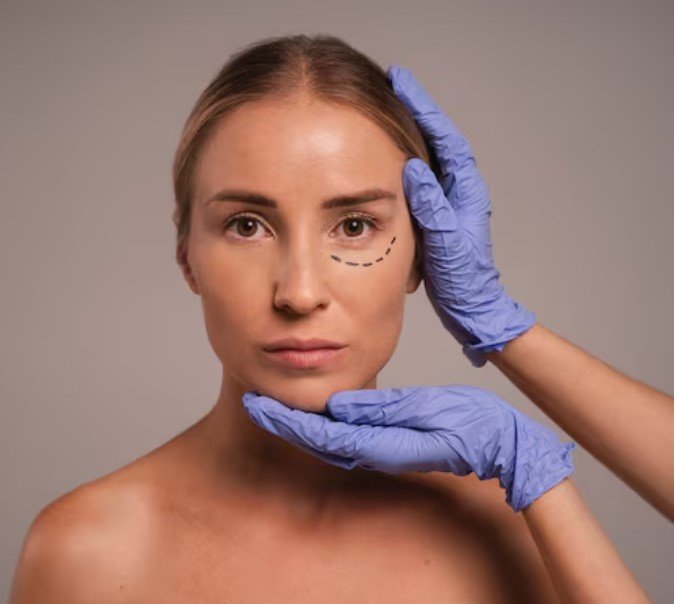
Thread Lifting in Korea is a minimally invasive procedure that uses dissolvable threads made of PDO (Polydioxanone), PLLA (Poly-L-Lactic Acid), or PCL (Polycaprolactone) to lift sagging skin, reduce double chin fat, and stimulate collagen production.
This treatment is highly popular in Korea as an anti-aging and contouring solution, especially for those who want to reduce submental fullness and sharpen the V-line jawline without undergoing surgery. The threads mechanically lift the skin while also triggering the body’s natural healing process, improving skin elasticity and firmness over several months.
Purpose & Benefits
- Double Chin Reduction: Lifts sagging skin while tightening loose tissue.
- Jawline Definition: Creates a sharper, slimmer V-line contour.
- Skin Rejuvenation: Stimulates collagen and elastin for firmer skin.
- Non-Surgical & Minimally Invasive: Tiny entry points, no major incisions.
- Natural Results: Gradual improvement over 2–3 months.
Ideal Candidates
Thread Lifting in Korea is recommended for:
- Adults with mild to moderate double chin or skin laxity.
- Patients with early signs of jowls or drooping jawline.
- Those who want lifting without liposuction or surgical facelifts.
- Patients combining thread lifting with fat-dissolving injections or HIFU.
- Individuals seeking natural, long-lasting results with minimal downtime.
Possible Risks & Complications
- Swelling & Bruising: Common for 3–7 days post-treatment.
- Mild Pain or Tenderness: Especially when moving facial muscles.
- Thread Irregularities (rare): Small dimpling or visibility of threads, usually temporary.
- Infection (rare): Prevented with proper hygiene and aftercare.
- Not Suitable For: Pregnant women, patients with severe skin laxity, or those with autoimmune conditions.
Surgical Techniques Used
- Thread Insertion: Fine, dissolvable threads inserted via tiny cannulas under the skin.
- Anchoring & Lifting: Threads grip the tissue and mechanically lift sagging skin upward.
- Collagen Stimulation: Threads dissolve over 6–18 months, leaving behind firmer, rejuvenated skin.
- Types of Threads Used in Korea:
- PDO Threads: Popular, safe, and widely used for skin tightening.
- PLLA Threads: Longer-lasting with collagen stimulation effects.
- PCL Threads: Premium option with the longest durability (up to 2 years).
- Sessions Required: Usually one session is sufficient; maintenance recommended every 12–18 months.
Recovery & Aftercare
- Immediately: Mild swelling, bruising, or tightness.
- 1–2 Weeks: Swelling subsides; lifting effect begins to show.
- 2–3 Months: Skin tightening and collagen stimulation maximize results.
Aftercare Tips:
- Avoid chewing hard foods or opening mouth too wide for 1 week.
- Sleep on your back to avoid pressure on threads.
- No vigorous exercise, saunas, or alcohol for 5–7 days.
- Apply cold compresses to reduce swelling.
Results & Longevity
- After 1–2 Weeks: Noticeable lifting effect, slimmer chin line.
- After 2–3 Months: Skin tightens further due to collagen stimulation.
- Longevity: Results last 12–24 months depending on thread type; maintenance recommended every 1–2 years.
Treatment Process in Korea
- Consultation & Analysis
- Dermatologist assesses chin fat, skin laxity, and jawline structure.
- Best thread type (PDO, PLLA, or PCL) selected for patient goals.
- Preparation
- Skin cleansed thoroughly.
- Local anesthesia or numbing cream applied for comfort.
- Entry points marked under the chin and jawline.
- Thread Lifting Procedure
- Step 1: Tiny entry points made with a fine needle.
- Step 2: Threads inserted under the skin using a cannula.
- Step 3: Threads anchored and gently pulled upward for lift.
- Step 4: Threads trimmed and entry points disinfected.
- Post-Treatment Care in Clinic
- Cooling gel applied to reduce swelling.
- Compression band may be suggested for 1–2 days.
- Aftercare instructions explained.
- Follow-Up
- Check-up scheduled within 1–2 weeks.
- Maintenance recommended after 12–18 months for sustained contour.
Unique Korean Advantages
- Advanced Thread Technology: Korea is a global leader in PDO/PLLA/PCL thread innovations.
- V-Line Expertise: Thread lifting protocols tailored for Korean beauty standards.
- Combination Care: Often combined with HIFU, PPC injections, or mesotherapy.
- Safe & Refined: Gentle protocols minimize dimpling or scarring.
- Competitive Costs: Premium thread lifts at globally affordable prices.
Cost Range (Estimated)
- Double Chin Thread Lift (PDO Threads): USD 700 – 1,200
- Chin + Jawline Thread Lift (PDO/PLLA Mix): USD 1,500 – 2,800
- Full Lower Face Lift (Premium PCL Threads): USD 2,800 – 4,500
Additional Costs:
- Consultation: USD 30 – 100
- Add-ons (HIFU, PPC, mesotherapy): USD 300 – 900 per session
- Premium Packages (Thread Lift + HIFU + Skin Boosters): USD 3,500 – 6,000
Popular Clinics in Seoul
- Oracle Dermatology: PDO thread lifting for chin + V-line contouring.
- Banobagi Plastic Surgery: Advanced PLLA/PCL thread programs.
- Renewme Skin Clinic: Combination thread lifting with mesotherapy.
- View Plastic & Dermatology: Thread lifting + HIFU for double chin.
- Chaum Anti-Aging Center: Premium regenerative thread lift packages.


