
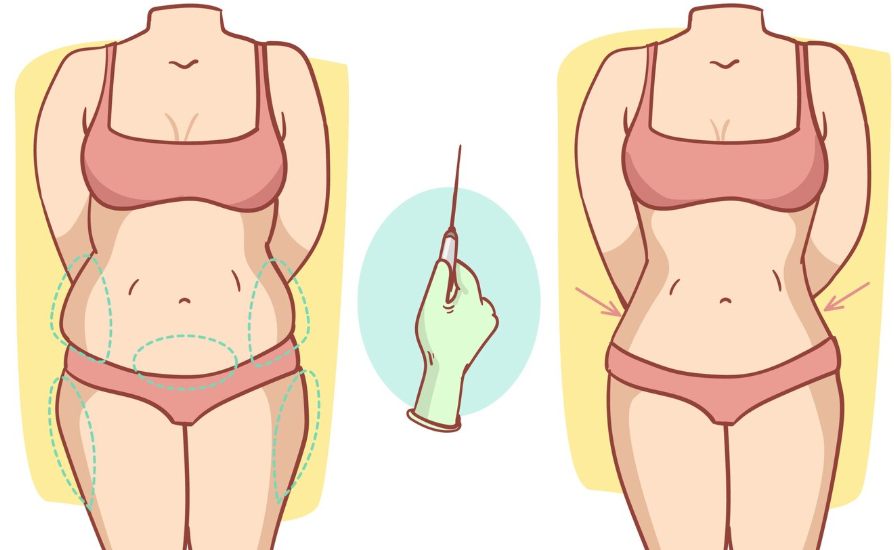
Treatment Overview
Three-Dimensional (3D) Tummy Tuck in Korea is an advanced form of abdominoplasty that goes beyond traditional skin removal. It addresses three key components of abdominal contouring:
- Excess skin removal
- Muscle tightening
- Fat sculpting through liposuction
Unlike a standard tummy tuck, the 3D tummy tuck is designed to reshape the abdomen in multiple planes, creating a flat front profile, a slimmer waistline, and improved side contours. This makes it particularly beneficial for patients seeking a more athletic, hourglass, or V-shaped abdominal profile.
Korean plastic surgeons are internationally known for their precision body contouring and use of cutting-edge liposuction technologies (VASER, laser-assisted, or PAL), ensuring natural, proportional, and long-lasting results.
Purpose & Benefits
- 360° Contouring: Improves the front, sides, and waistline.
- Muscle Repair: Corrects diastasis recti for stronger core support.
- Skin Tightening: Removes sagging abdominal skin for a toned appearance.
- Fat Sculpting: Combines liposuction with abdominoplasty for refined contour.
- Hourglass or V-Shaped Silhouette: Creates natural feminine or masculine proportions.
- Boosted Confidence: Improves posture, clothing fit, and self-image.
Ideal Candidates
- Patients with excess abdominal skin and fat after pregnancy, aging, or weight loss.
- Individuals with weakened abdominal muscles.
- Men or women who want waistline definition, not just a flat stomach.
- Adults in good health and stable weight.
- Non-smokers with realistic expectations.
- Patients seeking aesthetic body sculpting beyond standard tummy tuck results.
Possible Risks & Complications
- Swelling, bruising, or abdominal tightness.
- Visible scarring (minimized with Korean scar placement techniques).
- Numbness or sensitivity changes in abdominal skin.
- Fluid buildup (seroma).
- Rare risks: infection, delayed healing, or contour irregularities.
- Blood clots (prevented with early mobility and compression garments).
Surgical Techniques Used
- Horizontal Incision: Placed low along bikini line for discreet scars.
- Skin & Fat Removal: Eliminates excess tissue for smoother contour.
- Muscle Tightening: Abdominal muscles repaired and sutured for firmness.
- Advanced Liposuction: VASER, laser, or PAL liposuction used to sculpt waist, flanks, and sides.
- 3D Body Sculpting: Tailored to patient’s anatomy for proportional results.
- Belly Button Repositioning: Natural umbilicus placement for aesthetic finish.
Recovery & Aftercare
- 1–2 weeks: Swelling and bruising peak, then improve.
- Compression garment worn for 6–8 weeks to reduce swelling and support healing.
- 1–2 weeks: Return to desk work or light activity.
- 4–6 weeks: Resume exercise and heavy lifting.
- 3–6 months: Final results visible as swelling subsides and scars mature.
Aftercare Guidelines:
- Sleep with torso slightly elevated for the first 1–2 weeks.
- Avoid strenuous activities early in recovery.
- Use scar management (silicone sheets, creams, or laser).
- Attend follow-ups for healing and contour monitoring.
Results & Longevity
- Flatter, smoother, and firmer abdomen.
- Slimmer waistline with refined proportions.
- Long-lasting results with stable weight.
- Permanent removal of fat cells in treated areas.
- Scars fade significantly with proper care.
- Athletic, youthful silhouette with 3D contouring.
Treatment Process in Korea
1. Initial Consultation & Assessment
- Surgeons evaluate abdominal skin, fat, and muscle tone.
- 3D imaging may be used to preview results.
2. Surgical Planning & Preparation
- Incision placement mapped low on abdomen.
- Anesthesia: general anesthesia is standard.
3. Surgery Day
- Incision made along bikini line.
- Liposuction performed on abdomen, waist, and flanks.
- Muscles tightened and skin redraped.
- Belly button repositioned if needed.
- Scar sutured with fine, scar-minimizing techniques.
4. Post-Operative Monitoring
- Compression garment applied immediately.
- Drain tubes may be placed temporarily.
- Hospital stay: usually 1–2 nights.
5. Follow-Up & Refinement
- Follow-ups at 1 week, 1 month, 3 months, and 6 months.
- Scar refinement (laser or microneedling) offered if needed.
Why Korea is a Top Destination
- Surgeons specializing in advanced 3D body contouring.
- Integration of liposuction with abdominoplasty for natural curves.
- State-of-the-art technology (VASER, laser, PAL) for precision fat sculpting.
- Focus on scar minimization and patient-centered aesthetics.
- Affordable compared to Western countries with equally high safety standards.
Cost Range
The cost of Three-Dimensional Tummy Tuck in Korea varies by patient needs, fat removal, and clinic reputation.
- Standard 3D Tummy Tuck: USD $8,000 – $11,000
- Extended 3D Abdominoplasty (with flank contouring): USD $10,000 – $13,500
- Post-Weight Loss 3D Tummy Tuck (extensive correction): USD $11,000 – $15,000
- Premium Clinics (3D imaging, VIP care, advanced liposuction): USD $12,000 – $18,000
Additional Costs:
- Consultation & imaging: USD $100 – $300
- Compression garments: USD $100 – $200
- Medications & aftercare: USD $100 – $300
Popular Clinics
- Banobagi Plastic Surgery (Seoul): Specialists in advanced tummy tuck + liposuction.
- ID Hospital (Seoul): Experts in post-weight loss and 3D abdominoplasty.
- JK Plastic Surgery Center (Seoul): JCI-accredited, focusing on scar-minimized tummy tucks.
- View Plastic Surgery Clinic (Seoul): Known for high-definition body contouring and 3D sculpting.
- JW Plastic Surgery (Seoul): Customized 3D tummy tuck with natural waistline balance.


