
Treatment Overview
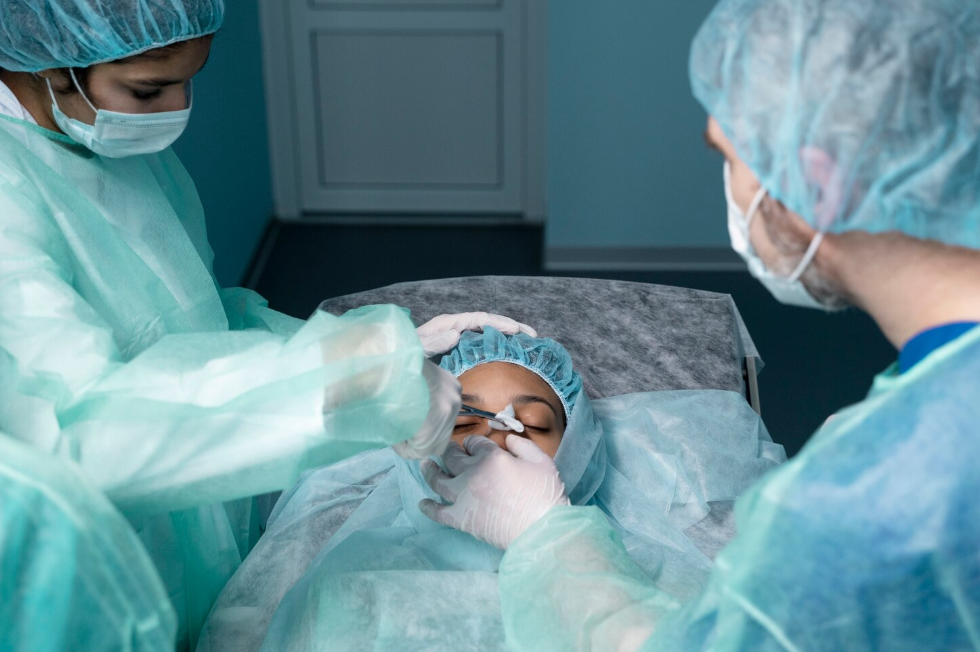
Tip refinement revision rhinoplasty is a corrective nose surgery that focuses on reshaping and enhancing the nasal tip after a previous rhinoplasty. Patients often seek this procedure when their first surgery left the tip too bulbous, pinched, droopy, or asymmetrical. Since the nasal tip is one of the most delicate and structurally complex areas of the nose, revision tip surgery requires a high level of precision and artistry.
In Korea, surgeons are globally recognized for their expertise in advanced rhinoplasty techniques, especially when it comes to achieving natural and balanced nasal tip refinements. By using cartilage grafting, suture reshaping, and structural support, Korean doctors create tip results that blend harmoniously with the patient’s facial features while also improving function if necessary.
Purpose & Benefits
The main goal of tip refinement revision rhinoplasty is to improve the shape, symmetry, and projection of the nasal tip after an unsatisfactory first surgery. Benefits include:
- Correcting deformities such as a bulbous, droopy, or overly pinched tip.
- Enhancing definition and projection of the nasal tip.
- Improving symmetry and balance with the nasal bridge and overall face.
- Restoring tip support for long-term stability.
- Achieving a natural, refined look instead of an “operated” appearance.
- Correcting breathing difficulties if caused by tip collapse.
Ideal Candidates
This procedure in Korea is recommended for individuals who:
- Have previously undergone rhinoplasty and are dissatisfied with tip appearance.
- Experience asymmetry, drooping, or lack of definition in the nasal tip.
- Require additional cartilage grafting or support due to previous surgery.
- Are in good general health and have realistic expectations.
- Seek subtle, natural-looking refinement rather than dramatic changes.
Possible Risks & Complications
Although Korean clinics have high success rates, potential risks include:
- Prolonged swelling of the nasal tip.
- Asymmetry or dissatisfaction with shape.
- Scar tissue interference from prior surgeries.
- Infection or graft absorption (if cartilage is used).
- Need for further revision in rare cases.
Surgical Techniques Used
Korean surgeons use advanced and precise methods to refine the nasal tip, such as:
- Cartilage Grafting: Using septal (if available), ear, or rib cartilage to rebuild and refine the tip.
- Suture Techniques: Employing methods like dome-binding, interdomal, or transdomal sutures to create definition.
- Tip Projection & Rotation Adjustments: Correcting droopiness or lack of support.
- Shield or Onlay Grafts: To create a sharper and more refined nasal tip contour.
- Scar Tissue Removal: Carefully addressing internal scar tissue from prior surgeries.
Recovery & Aftercare
- Swelling & Bruising: Most visible swelling subsides within 1–2 weeks, but tip swelling may last several months.
- Stitches & Splints: Internal stitches dissolve naturally; external splint usually worn for 7–10 days.
- Downtime: Patients typically resume normal activities within 10–14 days.
- Final Results: Nasal tip refinement continues to improve over 6–12 months.
- Aftercare in Korea: Clinics provide swelling-reduction treatments, LED light therapy, and regular follow-ups with imaging.
Results & Longevity
Tip refinement revision rhinoplasty in Korea delivers long-lasting results, with improved nasal definition and natural appearance. By restoring structural integrity and using cartilage grafts, Korean surgeons ensure stable outcomes that do not collapse or change drastically over time.
Treatment Process in Korea
1. Consultation
- 3D scanning and simulation to visualize potential tip refinement outcomes.
- Evaluation of scar tissue, grafting needs, and nasal function.
2. Pre-Surgery Care
- Full medical check-up and nasal assessment.
- Planning of cartilage graft donor sites if necessary.
3. Surgery
- Performed under general anesthesia or sedation.
- Duration: 2–4 hours depending on complexity and grafting needs.
- Techniques include graft placement, suture reshaping, and structural reinforcement.
4. Immediate Post-Surgery Care
- Patients monitored in recovery rooms.
- Splint applied to stabilize nasal structure.
5. Follow-Up & Aftercare
- Regular check-ups to monitor healing and shape refinement.
- Swelling reduction therapies and scar tissue management.
- For international patients, clinics provide interpreters, aftercare packages, and medical tourism support.
Why Korea?
- Global Expertise in Revision Rhinoplasty: Korean surgeons are renowned for delicate and precise tip surgeries.
- Advanced Cartilage Grafting: Innovative methods ensure stability and natural results.
- Natural & Balanced Aesthetic: Avoids “overdone” or artificial appearances.
- Comprehensive Care: From advanced surgical planning to recovery support, Korea offers world-class rhinoplasty services.
Cost Range
The cost of tip refinement revision rhinoplasty in Korea varies depending on the complexity and grafting needs.
- General Price Range: ₩8,000,000 – ₩18,000,000 KRW (approx. $6,300 – $14,000 USD).
- Basic Packages Include: Surgeon’s fee, anesthesia, tip reshaping, and follow-up visits.
- Premium Packages May Include:
- Rib or ear cartilage grafting if required
- 3D simulation consultation
- LED light therapy and anti-swelling injections
- VIP recovery suites and concierge services
Popular Clinics
- Banobagi Plastic Surgery (Seoul): Renowned for precise and natural-looking tip refinement surgeries.
- ID Hospital (Seoul): One of Asia’s largest cosmetic hospitals, specializing in complex revision tip cases.
- JW Plastic Surgery Clinic: Expertise in cartilage grafting for tip correction.
- View Plastic Surgery Clinic: Popular among international patients for revision and refinement cases.
- MINE Plastic Surgery Clinic: Known for achieving subtle, refined, and balanced nasal tip results.


