
Treatment Overview
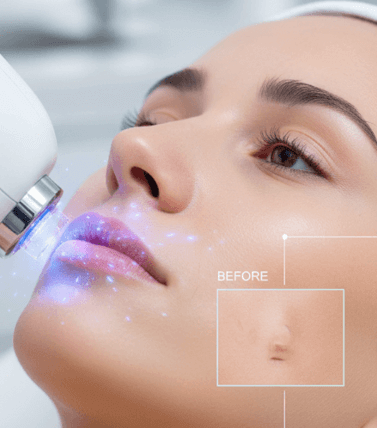
The Toning Laser is a Q-Switched Nd:YAG system (1064 nm), widely used in Korea for freckles removal, melasma, post-inflammatory hyperpigmentation (PIH), acne-related pigmentation, and overall skin brightening.
Its strength lies in gentle, repetitive low-fluence treatments that gradually break down melanin while minimizing the risk of post-inflammatory hyperpigmentation — making it especially safe for Asian skin types.
It belongs to the Pigmentation Treatment family (Spectra, Nd:YAG Toning, Dual Toning, Pico Lasers, Fraxel Dual, Clear + Brilliant, Carbon Peel, CO₂):
- Spectra: Best for freckles + PIH + acne pigment.
- Nd:YAG Toning: Best for dermal pigment and diffuse freckles.
- Dual Toning: Best for multi-layer freckles.
- Pico Lasers: Best for resistant freckles and stubborn PIH.
- Fraxel Dual: Best for freckles + sun damage + fine wrinkles.
- Clear + Brilliant: Best for mild freckles or prevention.
- Carbon Peel: Best for freckles + glow + pore control.
- CO₂ Fractional: Best for freckles + scars/texture.
Purpose & Benefits
- Freckles Removal: Gradual fading of sun-induced freckles and pigmented spots.
- Safe on Asian Skin: Minimizes PIH risk with non-aggressive settings.
- Brightening Effect: Improves overall skin clarity and radiance.
- Versatility: Effective on freckles, PIH, melasma, and acne pigmentation.
- Non-Invasive: Minimal discomfort, no downtime.
Ideal Candidates
Toning Laser in Korea is recommended for:
- Adults with freckles, sun-induced spots, or mixed pigmentation.
- Patients with freckles + PIH or acne pigment.
- Individuals seeking gradual, safe results with little to no downtime.
Treatment Comparison
- Spectra: Freckles + acne pigment + rejuvenation.
- Nd:YAG Toning: Dermal pigment & freckles with safe, gentle toning.
- Dual Toning: For multi-depth pigmentation.
- Pico Lasers: For stubborn freckles and resistant PIH.
- Fraxel Dual: For freckles + sun damage + anti-aging.
- Clear + Brilliant: Mild freckles or early prevention.
- Carbon Peel: Freckles + glow + pore reduction.
Possible Risks & Complications
Though safe, minor temporary effects may include:
- Redness/Warmth: Resolves within hours.
- Mild Dryness or Flaking: Skin renewal process.
- Temporary Darkening: Freckles may darken before fading.
- Rare: PIH (very low risk with Korean low-fluence methods).
Surgical Techniques Used
- 1064 nm (Q-Switched Nd:YAG): Targets deeper pigment clusters.
- Low-Fluence Multi-Pass Toning: Gradual clearance with minimal trauma.
- Protocol: 3–6 sessions spaced 2–4 weeks apart; yearly maintenance for prevention.
Recovery & Aftercare
- Immediately: Mild redness/tingling.
- 1–3 Days: Freckles may darken slightly before flaking.
- 1 Week: Brighter, clearer skin with visible lightening.
Aftercare Tips:
- Apply SPF 50+ daily to prevent recurrence.
- Hydrate with soothing serums/barrier creams.
- Avoid exfoliants, acids, and retinoids for 3–5 days.
- Minimize direct UV exposure.
Results & Longevity
- After First Session: Subtle brightening and tone improvement.
- Short-Term (2–3 Sessions): Visible freckles fading.
- Medium-Term (3–6 Sessions): Significant clearance and smoother tone.
- Long-Term: Lasts 6–12 months; freckles may recur with sun exposure.
Treatment Process in Korea
- Consultation & Skin Analysis – Assess freckles depth and type.
- Preparation – Cleansing, protective eyewear, optional numbing.
- Toning Session – 1064 nm Nd:YAG pulses delivered.
- Post-Care – Cooling mask, whitening/antioxidant serums.
- Follow-Up – Multi-session plan, yearly touch-ups.
Why Korea is a Top Destination
- Korean dermatologists specialize in safe low-fluence toning for Asian skin.
- Affordable compared to Western clinics.
- Clinics often combine toning with Pico, Dual Toning, Rejuran, PN, or exosomes for enhanced results.
- Seoul is globally recognized for advanced pigmentation protocols.
Cost Range (Estimated)
- Single Session (Full Face): USD 120 – 250
- 3–6 Session Package: USD 500 – 1,200
- Premium Package (Toning + Pico/Dual/Boosters): USD 1,000 – 2,200
Additional Costs:
- Consultation: USD 20 – 50
- Add-ons (Rejuran, exosomes, PN boosters, whitening drips): USD 100 – 400
💡 In Korea, Toning Laser is considered the “foundation treatment” for freckles — safe, gradual, and effective for bright, even-toned skin.
Popular Clinics in Seoul
- Oracle Dermatology: Nd:YAG Toning + Pico for freckles & mixed pigment.
- Banobagi Dermatology: Toning + Spectra for freckles + acne marks.
- Renewme Skin Clinic: Dual Toning & brightening toning programs.
- View Plastic & Dermatology: Nd:YAG + Gold Toning for freckles + redness.
- Chaum Anti-Aging Center: Premium freckles programs with boosters.


