
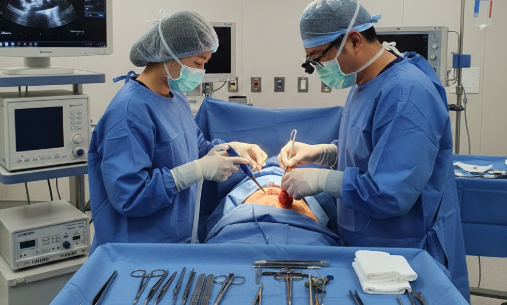
Treatment Overview
A torsed testicle, also known as testicular torsion, is one of the most urgent urological emergencies. It occurs when the spermatic cord twists, cutting off blood flow to the testicle. If not treated within a few hours, the testicular tissue can become permanently damaged or even die.
Korea is globally recognized for its fast-response emergency care, highly trained urologists, and cutting-edge microsurgical techniques that significantly increase the chances of testicle preservation. With rapid imaging, precise surgical methods, and streamlined emergency protocols, Korea offers some of the world’s best outcomes for testicular salvage surgery.
Purpose & Benefits
The primary purpose of torsed testicle preservation surgery is to restore blood flow, untwist the spermatic cord, and save the testicle from ischemic damage.
Benefits of undergoing surgery in Korea include:
- High salvage rates due to fast intervention
- Advanced Doppler ultrasound for instant diagnosis
- Microsurgical techniques that reduce trauma
- Bilateral orchiopexy to prevent future torsion
- Low infection rates thanks to superior surgical hygiene
- Experienced urologists specializing in male reproductive emergencies
- Comprehensive follow-up care, including fertility assessments
For medical tourists, Korea’s efficiency, safety protocols, and multilingual care make the experience smooth and reliable.
Ideal Candidates
Candidates who need torsed testicle preservation surgery include:
- Anyone experiencing sudden, intense testicular pain
- Individuals with swelling, redness, or elevated testicle position
- Patients who notice the testicle appears twisted or sits higher than the other
- Adolescents and young adults, who are most commonly affected
- Men with intermittent torsion episodes
- Infants or children with sudden scrotal discomfort
- Patients diagnosed with reduced blood flow on Doppler ultrasound
Immediate surgery is essential—delays drastically reduce the likelihood of saving the testicle.
Possible Risks & Complications
Although Korea offers world-class outcomes, some risks and complications may still occur:
- Testicular loss or atrophy if surgery is delayed
- Infection at the incision site
- Hematoma or fluid buildup
- Reduced fertility if ischemia was prolonged
- Chronic scrotal pain
- Rare recurrence if fixation is incomplete
- Adverse anesthesia reactions (extremely rare in Korea)
Korean surgeons typically minimize risks by performing bilateral fixation and using microsurgical tools to reduce tissue trauma.
Techniques & Technology Used
Korean hospitals utilize some of the most advanced technologies globally for testicular torsion treatment:
High-Resolution Doppler Ultrasound
Offers rapid and accurate assessment of blood flow.
Microsurgical Detorsion
Untwists the spermatic cord with minimal damage to nearby tissues.
Bilateral Orchiopexy
Both testicles are secured to prevent future torsion, a standard practice in top Korean hospitals.
Intraoperative Blood Flow Assessment
Ensures restored circulation before closing the incision.
Advanced Anesthesia Techniques
Provide comfort, safety, and quick recovery time.
Precision Suturing
Minimizes scarring and ensures strong fixation.
Treatment Process in Korea
The treatment pathway for international patients is efficient and structured:
Step 1: Emergency Urological Consultation
Immediate assessment by a urologist specializing in scrotal emergencies.
Step 2: Doppler Ultrasound Evaluation
Blood flow is checked instantly to confirm torsion and assess severity.
Step 3: Preoperative Stabilization
Pain management and preparation for emergency surgery.
Step 4: Torsed Testicle Preservation Surgery
- The scrotum is explored.
- The spermatic cord is gently untwisted.
- Blood flow is evaluated.
- Bilateral orchiopexy is performed to secure both testicles.
This ensures long-term stability and prevents recurrence.
Step 5: Recovery Monitoring
Patients remain in the recovery unit for observation.
Step 6: Post-Surgical Follow-Up
Korean hospitals offer hormonal and fertility evaluations if needed.
Recovery & After-Care
Recovery after torsed testicle preservation surgery is typically fast due to Korea’s advanced minimally invasive techniques. General after-care instructions include:
- Rest and avoid physical exertion for 1–2 weeks
- Wear supportive underwear to reduce movement
- Apply cold compresses to minimize swelling
- Take prescribed pain medication and antibiotics
- Avoid sexual activity for 2–3 weeks
- Attend follow-up appointments for ultrasound checks
- Consider semen analysis if torsion lasted many hours
For medical tourists, hospitals provide written after-care plans and remote follow-up support.
Results & Longevity
When treated promptly—ideally within 6 hours—patients typically experience:
- Full restoration of blood flow
- High likelihood of testicle preservation
- Normal fertility and hormonal function
- Minimal scarring and long-lasting results
- Extremely low risk of future torsion due to bilateral fixation
Even in delayed cases, Korean surgeons often achieve better-than-expected salvage outcomes thanks to advanced microsurgical evaluation and revascularization techniques.
Why Korea Is a Top Destination
Korea has become one of the most trusted destinations for torsed testicle treatment due to:
- Ultra-fast emergency care systems
- Skilled urologists with extensive experience in torsion cases
- High diagnostic accuracy with state-of-the-art imaging tools
- Modern hospitals with global accreditation
- Affordable treatment costs compared to Western countries
- Multilingual medical tourism coordinators
- Transparent costs and efficient treatment timelines
- Excellent postoperative care and follow-up evaluation options
These advantages ensure that medical tourists receive safe, timely, and highly successful treatment.
Cost Range
The cost of torsed testicle preservation surgery in Korea varies depending on severity and hospital type:
- Emergency Consultation: USD 40–100
- Doppler Ultrasound: USD 80–150
- Manual Detorsion (if feasible): USD 150–300
- Emergency Detorsion + Bilateral Orchiopexy: USD 2,000–4,800
- Microsurgical Techniques (if required): USD 2,800–5,500
- Hospital Stay: USD 150–350 per night
Medical tourists often receive package pricing that includes consultation, imaging, surgery, and hospitalization.
Popular Clinics in Korea
Top hospitals providing torsed testicle preservation surgery include:
- Seoul National University Hospital (SNUH)
- Asan Medical Center
- Samsung Medical Center
- Severance Hospital – Yonsei University
- Korea University Anam Hospital
- Gangnam Urology Specialty Clinics
- International patient centers across Seoul and Busan
These facilities offer 24/7 emergency urology services and world-class surgical expertise.


