
Treatment Overview
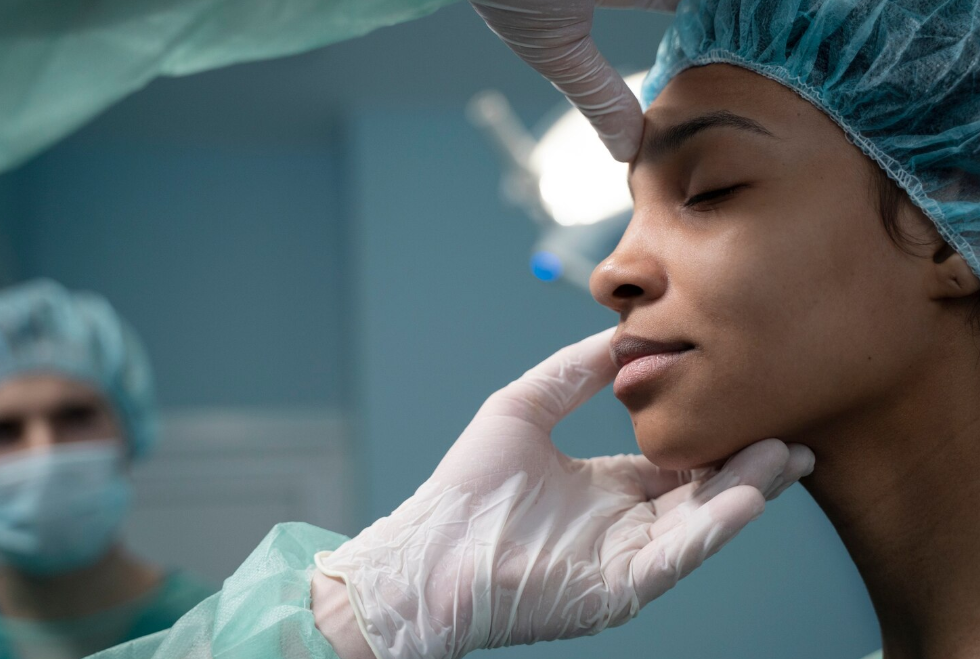
Total reconstruction revision rhinoplasty is the most advanced and complex type of nose surgery, designed for patients who have experienced severe structural damage, deformity, or collapse of the nasal framework after previous rhinoplasties or trauma. Unlike minor revision procedures, total reconstruction often requires rebuilding the entire nasal structure using cartilage grafts, rib cartilage, or other advanced reconstructive techniques.
In Korea, surgeons are internationally recognized for their skill in handling these highly complicated cases. With advanced surgical planning, 3D imaging, and precision techniques, Korean clinics restore both nasal function (breathing) and aesthetics, giving patients a natural, stable, and long-lasting result after prior surgical complications.
Purpose & Benefits
The primary goal of total reconstruction revision rhinoplasty is to restore both function and appearance of the nose after failed surgeries or major deformities. Benefits include:
- Rebuilding a stable and natural nasal structure.
- Restoring normal breathing function.
- Correcting severe deformities such as saddle nose, collapsed bridge, or tip loss.
- Improving facial harmony with a balanced nasal shape.
- Enhancing self-confidence and quality of life.
- Creating long-lasting, structurally sound results.
Ideal Candidates
This procedure is suitable for individuals who:
- Have had multiple failed rhinoplasties resulting in severe deformities.
- Suffer from collapsed nasal bridge, pinched tip, or scar tissue damage.
- Experience breathing difficulties due to structural collapse or septal perforation.
- Require rib cartilage, fascia, or synthetic implants for full reconstruction.
- Are in good health and understand the complexity and recovery of this advanced surgery.
Possible Risks & Complications
Although Korean surgeons are highly skilled, total reconstruction revision rhinoplasty carries some risks due to its complexity:
- Prolonged swelling and healing time.
- Cartilage warping or resorption.
- Infection or graft-related complications.
- Persistent asymmetry in rare cases.
- Need for additional revision (though minimized in Korea with advanced planning).
Surgical Techniques Used
Korean surgeons use advanced reconstructive methods tailored to each case, including:
- Rib Cartilage Grafting: Most commonly used for full nasal framework reconstruction.
- Septal or Ear Cartilage (if available): For tip or minor support structures.
- Fascia or Dermal Grafts: To smooth contours and prevent irregularities.
- Dorsal Augmentation: Rebuilding a collapsed nasal bridge for natural height.
- Tip Reconstruction: Using shield grafts, columellar struts, and sutures to refine and stabilize.
- Septal Perforation Repair (if present): Restoring function alongside aesthetics.
Recovery & Aftercare
- Swelling & Bruising: More pronounced compared to standard revision rhinoplasty, lasting several weeks.
- Stitches & Splints: External splint for 7–10 days; dissolvable stitches used internally.
- Downtime: Patients can return to normal activities within 2–3 weeks, though complete healing takes longer.
- Final Results: Nasal refinement continues for 6–12 months, with stable, long-lasting outcomes.
- Aftercare in Korea: Includes advanced therapies such as LED healing, anti-swelling injections, scar management, and continuous follow-up imaging.
Results & Longevity
Total reconstruction revision rhinoplasty in Korea provides life-changing outcomes for patients who thought their nose could not be repaired. Results are stable, natural, and long-lasting due to the use of strong cartilage grafting and advanced reconstruction techniques. With proper aftercare, patients enjoy restored breathing and a harmonious nasal appearance that endures for decades.
Treatment Process in Korea
1. Consultation
- Detailed facial and nasal assessment using 3D imaging.
- Review of prior surgeries and scar tissue analysis.
- Personalized surgical plan designed for both aesthetics and breathing restoration.
2. Pre-Surgery Care
- Full medical check-up including imaging and blood tests.
- Planning of rib cartilage harvest (if required).
3. Surgery
- Performed under general anesthesia.
- Duration: 4–6 hours depending on complexity.
- Rebuilding nasal framework using rib cartilage and advanced grafting.
4. Immediate Post-Surgery Care
- Close monitoring in recovery rooms.
- Splint applied for stability.
5. Follow-Up & Aftercare
- Regular clinical follow-ups with imaging to track progress.
- Swelling-reduction therapies, scar tissue management, and breathing assessments.
- International patients receive medical tourism support with interpreters and dedicated aftercare services.
Why Korea?
- World Leaders in Complex Rhinoplasty: Korean surgeons specialize in high-difficulty revision cases.
- Advanced Reconstructive Techniques: Rib cartilage expertise ensures durability and safety.
- Natural Aesthetic Philosophy: Results are refined yet natural, avoiding artificial or “overdone” appearances.
- Comprehensive Medical Tourism System: International patients receive end-to-end care, from consultation to recovery.
Cost Range
The cost of total reconstruction revision rhinoplasty in Korea varies based on the complexity of each case.
- General Price Range: ₩12,000,000 – ₩25,000,000 KRW (approx. $9,500 – $20,000 USD).
- Basic Packages Include: Surgeon’s fee, anesthesia, rib cartilage grafting, and standard follow-up care.
- Premium Packages May Include:
- 3D simulation consultations
- VIP recovery suites
- LED light and scar management therapies
- Rib cartilage harvest & reconstructive grafting
- Translator and medical tourism concierge services
Popular Clinics
- Banobagi Plastic Surgery (Seoul): Specialists in high-complexity reconstruction and rib cartilage rhinoplasty.
- ID Hospital (Seoul): One of the largest hospitals in Asia for advanced revision rhinoplasty cases.
- JW Plastic Surgery Clinic: Expert in reconstructing collapsed noses using rib cartilage.
- View Plastic Surgery Clinic: Popular with international patients for total reconstruction revisions.
- MINE Plastic Surgery Clinic: Renowned for restoring natural beauty and function in complex cases.


