
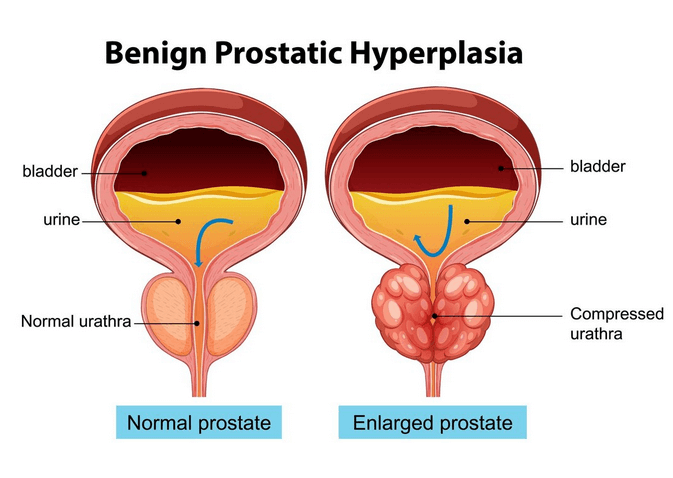
Treatment Overview
Transurethral Resection of the Prostate (TURP) is a minimally invasive surgical procedure used to treat benign prostatic hyperplasia (BPH), or enlarged prostate. Instead of an external incision, the surgeon inserts a resectoscope through the urethra to remove excess prostate tissue, restoring normal urine flow. TURP remains one of the most effective and time-tested surgical options for managing urinary obstruction in men.
Purpose & Benefits
- Relieves urinary obstruction caused by prostate enlargement
- Improves symptoms such as weak stream, hesitancy, or frequent urination
- Prevents complications like bladder retention, infections, and kidney damage
- Faster recovery compared to open prostate surgery
- Proven, reliable outcomes with decades of clinical success
Ideal Candidates
- Men experiencing moderate to severe urinary symptoms due to BPH
- Patients who do not respond well to medication
- Individuals with bladder stones, urinary retention, or recurrent infections caused by BPH
- Those fit for anesthesia and surgical intervention
- Men with prostate enlargement typically between 30–80 grams
Possible Risks & Complications
- Temporary bleeding or infection
- Retrograde ejaculation (common but harmless)
- Urinary incontinence (usually temporary)
- Urethral stricture or bladder neck contracture
- Rare complications like TUR syndrome or erectile dysfunction
Surgical Techniques in Korea
Korean urological surgeons use advanced technologies to enhance safety and precision.
- Bipolar TURP: The preferred method in most Korean hospitals; safer fluid use and less bleeding.
- Laser TURP (HoLEP or GreenLight): Uses laser energy to vaporize or enucleate tissue with minimal trauma.
- 3D and HD Endoscopic Systems: Provide superior visualization during resection.
- Minimally Invasive Modifications: Korean clinics focus on tissue preservation and fast recovery.
Recovery & Aftercare
- Hospital stay: 1–3 days post-surgery
- Catheter typically removed within 1–2 days
- Avoid heavy lifting or sexual activity for 3–4 weeks
- Maintain hydration to flush the bladder
- Follow-up visit within 2–3 weeks for progress evaluation
- Temporary mild discomfort, frequent urination, or pinkish urine are normal in early recovery
Results & Longevity
Most patients experience immediate improvement in urine flow and symptom relief. Results typically last 5–10 years or more, depending on prostate regrowth and patient health. Long-term outcomes can be maintained with routine checkups and lifestyle management.
Treatment Cost in Korea
- Average cost: USD 3,500 – 8,000
- Advanced laser or bipolar methods: up to USD 12,000
- Cost depends on clinic reputation, technology, surgeon experience, and hospitalization days
- International patients benefit from competitive pricing and medical tourism packages
Popular Clinics in Korea (Who Provide This Service)
- Samsung Medical Center, Seoul – Renowned for advanced endoscopic surgery
- Severance Hospital (Yonsei University) – Leading urology department with global patients
- Asan Medical Center, Seoul – Offers laser and bipolar TURP options
- Seoul National University Hospital (SNUH) – Academic excellence and top outcomes
- Gachon University Gil Medical Center, Incheon – Specialized prostate and urinary care center
Zigzag Sub-Brow Excision Technique in Korea | Cost, Types, Doctors & Best Seoul Clinics (Adapted for TURP)
Since TURP is a urological, not cosmetic, procedure, this section highlights advanced TURP techniques used in Korea:
- Bipolar TURP and Laser Enucleation (HoLEP) are the Korean standards for precision and safety.
- Laser TURP reduces hospital stay and postoperative pain.
- Cost for laser TURP may be 10–20% higher than conventional methods.
- Leading doctors: Dr. Kim Dong Hyun (Severance), Dr. Park Hyun Soo (Asan Medical Center), Dr. Choi Han Yong (Samsung Medical Center).
- Best Seoul clinics include Samsung, Asan, Severance, and SNUH for international patients.


