
Treatment Overview
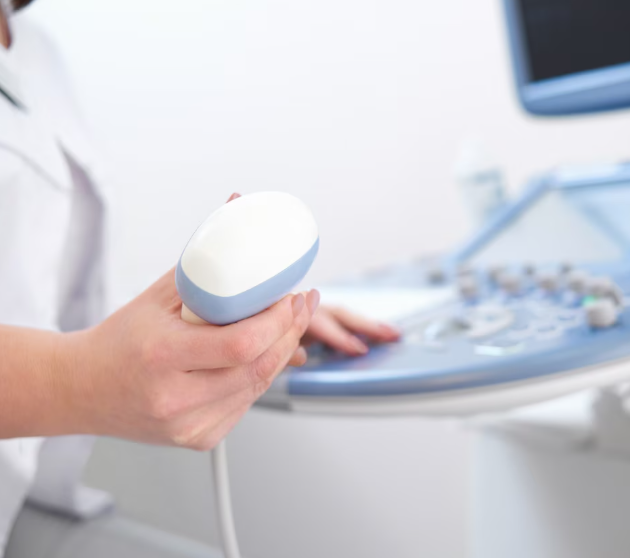
Transvaginal Pelvic Ultrasound in Korea is an advanced diagnostic procedure that provides high-resolution images of the female pelvic organs, including the uterus, ovaries, fallopian tubes, and cervix. This imaging technique is considered one of the most precise methods for evaluating pelvic health and is particularly valuable for detecting subtle gynecological conditions that may not be visible with transabdominal ultrasound.
In Korea, this service is performed using cutting-edge ultrasound systems that integrate 3D/4D imaging, Doppler flow studies, and AI-assisted analysis. This enables gynecologists to offer exceptionally accurate diagnostics for conditions such as ovarian cysts, uterine fibroids, endometriosis, and infertility-related issues.
The procedure is especially important in women’s health for early detection of reproductive abnormalities, preconception assessment, infertility evaluations, and routine pelvic health checks. Korea is recognized internationally for combining technological innovation with expert clinical care in transvaginal ultrasound.
Purpose & Benefits
The primary purpose of transvaginal pelvic ultrasound is to provide detailed and precise imaging of pelvic organs to support accurate diagnosis and treatment planning.
Benefits include:
- High-resolution imaging for accurate detection of small or deep pelvic abnormalities.
- Early diagnosis of ovarian cysts, fibroids, polyps, and endometrial conditions.
- Assessment of uterine and ovarian health for fertility planning.
- Evaluation of early pregnancy and pelvic pain causes.
- Safe and non-invasive with no radiation exposure.
- Real-time imaging for immediate clinical evaluation.
- Comprehensive reproductive health assessment before conception or fertility treatment.
Korean clinics excel in delivering these benefits with precision and patient comfort, making transvaginal pelvic ultrasound a vital part of gynecologic care.
Ideal Candidates
Transvaginal pelvic ultrasound is especially recommended for:
- Women undergoing infertility evaluation or treatment.
- Patients with pelvic pain, abnormal bleeding, or irregular cycles.
- Women with suspected ovarian cysts, fibroids, polyps, or endometrial abnormalities.
- Patients undergoing early pregnancy evaluation.
- Women requiring preconception pelvic health screening.
- Women with a history of pelvic surgery or reproductive health issues.
Korean clinics customize the examination approach based on the patient’s symptoms, medical history, and reproductive goals to maximize diagnostic value.
Possible Risks & Complications
Transvaginal pelvic ultrasound is widely regarded as safe. It uses sound waves rather than radiation, making it suitable for repeated use, including during pregnancy.
Potential minor issues may include:
- Mild discomfort during probe insertion.
- Slight pelvic pressure.
- Short-term anxiety if unexpected findings are detected.
Korean gynecologists and sonographers are trained to perform the procedure with maximum comfort and care, explaining the process clearly to alleviate patient concerns.
Techniques Used
Korea employs the latest ultrasound technology for transvaginal pelvic evaluation:
- High-Resolution Transvaginal Imaging: Produces highly detailed images of pelvic organs.
- 3D/4D Ultrasound: Offers volumetric imaging for precise anatomical assessment.
- Color Doppler Ultrasound: Evaluates blood flow in the ovaries and uterus, aiding diagnosis.
- AI-Assisted Imaging: Improves detection of subtle changes and abnormalities.
- Digital Image Archiving: Allows comparison of sequential scans for monitoring progress.
These advanced techniques ensure high accuracy and help guide treatment decisions effectively.
Recovery & Aftercare
Transvaginal pelvic ultrasound is an outpatient procedure requiring no downtime. Patients can return to their daily activities immediately after the scan.
Aftercare includes:
- A detailed consultation to review findings.
- Recommendations for additional tests or follow-up scans if abnormalities are detected.
- Guidance on treatment or fertility planning based on results.
- Lifestyle and reproductive health advice.
Korean clinics emphasize patient education and ongoing support, ensuring women understand their results and next steps.
Results & Longevity
Results are usually available immediately following the procedure. Patients receive:
- High-resolution images of pelvic organs.
- Measurements of uterine, ovarian, and endometrial structures.
- Assessment of blood flow and organ health.
- A report with findings and recommendations.
These results provide a strong foundation for ongoing gynecologic care and reproductive planning. Repeat scans may be scheduled for monitoring over time, depending on the diagnosis.
Treatment Process in Korea
The transvaginal pelvic ultrasound process in Korea is efficient and patient-centered:
- Initial Consultation: Review of medical history and symptoms.
- Preparation: Patients are usually asked to empty their bladder before the scan.
- Ultrasound Examination: Performed using advanced equipment by skilled sonographers.
- Image Analysis: Enhanced with AI technology for high accuracy.
- Follow-Up Consultation: Review of findings and guidance on further management.
Korean clinics integrate advanced imaging with personalized care, ensuring optimal patient experience and accurate diagnosis.
Cost Range
The cost of transvaginal pelvic ultrasound in Korea varies:
- Standard transvaginal scan: ₩200,000–₩400,000 KRW ($160–$320 USD).
- Advanced scans with 3D/4D imaging and Doppler: ₩500,000–₩900,000 KRW ($400–$720 USD).
Many clinics offer comprehensive gynecologic packages that include transvaginal ultrasound along with consultation and other tests for convenience and cost efficiency.
Popular Clinics
- CHA Fertility Center Seoul – Known for advanced pelvic ultrasound and reproductive care.
- Banobagi Women’s Clinic – Offers personalized transvaginal ultrasound evaluation programs.
- Seoul National University Hospital (OBGYN Department) – Uses advanced imaging for comprehensive pelvic assessment.
- Samsung Women’s Health Clinic – Integrates AI-assisted transvaginal ultrasound for superior diagnostics.
- Mirae Women’s Hospital – Provides thorough pelvic health evaluations.
- Ewha Womans University Medical Center – Combines cutting-edge technology with specialized gynecologic expertise.


