
Treatment Overview
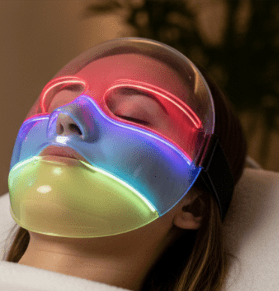
Triple Light Therapy is a non-invasive acne care treatment offered in Korean dermatology clinics that combines three wavelengths of LED light—typically Blue Light (415 nm), Red Light (635 nm), and Near-Infrared (830 nm).
- Blue Light targets Cutibacterium acnes bacteria and reduces active breakouts.
- Red Light calms inflammation and accelerates healing.
- Near-Infrared Light penetrates deeper into the dermis to stimulate collagen, repair tissue, and reduce the risk of acne scars.
This triple-spectrum approach provides comprehensive acne management, balancing antibacterial action, inflammation control, and skin regeneration.
Purpose & Benefits
- Bacterial Elimination: Blue light destroys acne-causing bacteria.
- Inflammation Relief: Red light reduces redness and swelling in pimples.
- Scar Prevention: Near-infrared stimulates healing and collagen remodeling.
- Barrier Strengthening: Improves skin’s resilience against future flare-ups.
- Skin Rejuvenation: Enhances tone, elasticity, and clarity beyond acne control.
Ideal Candidates
Triple Light Therapy in Korea is recommended for:
- Patients with mild to moderate acne and post-acne redness.
- Individuals concerned about early acne scars or skin texture changes.
- Those with sensitive or thin skin seeking a gentle, non-invasive solution.
- Patients who want both acne control and skin regeneration.
Possible Risks & Complications
Triple Light Therapy is extremely safe, but mild temporary effects may occur:
- Warmth or Slight Redness: Fades within hours.
- Temporary Dryness: Occasionally seen after multiple sessions.
- Rare Risks: Almost no risk of PIH (post-inflammatory hyperpigmentation) compared to laser-based treatments.
Surgical Techniques Used
- Blue LED (415 nm): Bacterial clearance.
- Red LED (635 nm): Anti-inflammatory and healing.
- Near-Infrared LED (830 nm): Collagen stimulation and scar prevention.
- Protocol: Typically 6–10 sessions, spaced 1–2 weeks apart.
Recovery & Aftercare
Immediately: Skin feels calmer and refreshed.
1–2 Days: Redness in active pimples decreases.
1–2 Weeks: Breakouts reduce, skin looks clearer and more resilient.
Aftercare Tips:
- Apply hydrating creams and barrier moisturizers.
- Use SPF 50+ sunscreen daily.
- Avoid harsh scrubs, acids, or retinoids for 2–3 days post-session.
- Maintain a consistent acne skincare routine.
Results & Longevity
- After 1 Session: Calmer skin, less redness.
- After 3–4 Sessions: Noticeable reduction in breakouts and improved healing.
- After 6–10 Sessions: Long-term acne control, smoother texture, and fewer scars.
Maintenance treatments every 1–2 months are common for acne-prone patients.
Treatment Process in Korea
Consultation & Skin Analysis
Dermatologist assesses acne severity, skin thickness, and scar risk.
Preparation
Gentle cleansing; protective goggles applied.
Triple Light Session
- Step 1: Blue LED applied to acne-prone areas.
- Step 2: Red LED follows to calm inflammation.
- Step 3: Near-infrared LED finishes to stimulate healing and repair.
- Step 4: Soothing mask or hydrating serum applied post-treatment.
Duration: 30–40 minutes.
Post-Treatment Care
Barrier cream and sunscreen provided; no downtime required.
Follow-Up
6–10 treatments suggested for best outcomes.
Unique Korean Advantages
- Three-in-One Therapy: Comprehensive acne, redness, and scar prevention in one session.
- Gentle Protocols: Safe for Asian skin, with minimal risk of irritation.
- Combination Programs: Often paired with Aqua Peel, chemical peels, or acne drips.
- Affordable Packages: Widely available in dermatology and premium K-Beauty clinics.
Cost Range (Estimated)
- Single Triple Light Session: USD 100 – 180
- Triple Light + Extraction/Peel: USD 150 – 250
- Premium Package (Triple Light + Facial + Whitening Drip/Regenerative Boosters): USD 300 – 500
Example Korean Packages:
- Standard Program (5 sessions): USD 400–600
- Acne Care Program (Triple Light + Peel/Extraction): USD 600–900
- Premium Package (Triple Light + Rejuran/Exosome Boosters): USD 1,200–1,800
Popular Clinics in Seoul
- Oracle Dermatology: Triple Light acne programs with scar prevention focus.
- Banobagi Dermatology: LED combination therapy for acne and healing.
- Renewme Skin Clinic: Blue + Red + NIR LED programs for acne-prone skin.
- View Dermatology: Multi-step acne protocols with Triple Light add-ons.
- Chaum Anti-Aging Center: Premium Triple Light therapy with regenerative boosters.


