
Treatment Overview
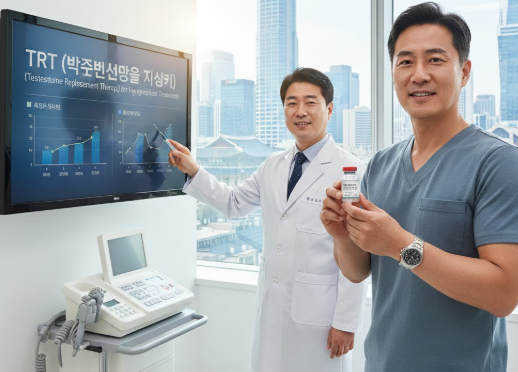
Testosterone Replacement Therapy (TRT) for Hypogonadism in Korea is a specialized medical treatment designed to restore normal testosterone levels in men diagnosed with hypogonadism, a condition in which the body fails to produce adequate testosterone. Hypogonadism can be primary (originating in the testes) or secondary (originating in the pituitary or hypothalamus). TRT addresses hormonal deficiency through injections, gels, patches, or pellet implants, improving sexual health, energy levels, mood, and overall physical performance. Korean clinics provide advanced diagnostics, personalized treatment plans, and continuous monitoring to ensure safe and effective therapy for both local and international patients.
Purpose & Benefits
The purpose of TRT for hypogonadism is to restore testosterone levels to physiological ranges and alleviate symptoms associated with hormone deficiency. Benefits include:
- Improved libido and sexual performance
- Increased energy, vitality, and reduced fatigue
- Enhanced mood, cognitive function, and mental clarity
- Greater muscle mass, strength, and physical endurance
- Improved bone density and metabolic health
- Reduced risk of long-term complications associated with low testosterone
TRT for hypogonadism improves quality of life by addressing both physical and psychological symptoms of testosterone deficiency.
Ideal Candidates
Ideal candidates for TRT for hypogonadism include men who:
- Have clinically confirmed low testosterone through blood tests
- Exhibit symptoms such as low libido, fatigue, depression, or muscle loss
- Experience erectile dysfunction linked to testosterone deficiency
- Have delayed puberty or primary testicular failure
- Seek long-term hormone therapy to manage hypogonadism safely
Patients require comprehensive evaluation to determine the type of hypogonadism and select the most appropriate TRT approach.
Possible Risks & Complications
While TRT is generally safe, potential risks include:
- Acne, oily skin, or hair loss
- Fluid retention or mild swelling
- Mood fluctuations or irritability
- Increased red blood cell count (polycythemia)
- Elevated estrogen levels causing gynecomastia
- Rare cardiovascular events in patients with pre-existing heart conditions
Korean clinics minimize risks through precise dosing, regular blood testing, and personalized therapy adjustments.
Techniques & Technology Used
Korean clinics use advanced techniques and technology for effective hypogonadism management:
- Comprehensive hormonal blood panels (testosterone, DHT, estradiol, LH, FSH)
- AI-assisted monitoring systems for personalized dose adjustments
- Testosterone delivery via injections, gels, patches, or pellets
- Body composition and metabolic function assessments
- Telemedicine follow-ups for international patient convenience
These tools ensure therapy is tailored to each patient’s needs, safe, and highly effective.
Treatment Process in Korea
The TRT process for hypogonadism includes:
- Initial Evaluation: Comprehensive blood testing, medical history review, and physical examination
- Diagnosis: Confirming primary or secondary hypogonadism and ruling out contraindications
- Customized TRT Plan: Selecting the appropriate delivery method and dosage
- Monitoring & Dose Adjustment: Regular follow-ups and lab tests to ensure optimal therapy
- Lifestyle Guidance: Recommendations on nutrition, exercise, sleep, and stress management
International patients benefit from coordinated care, translation services, and travel assistance for a smooth treatment experience.
Recovery & After-Care
TRT for hypogonadism typically requires minimal recovery. After-care includes:
- Monitoring injection or patch sites for minor irritation
- Routine blood tests every 6–12 weeks initially
- Lifestyle guidance for optimal therapy outcomes
- Reporting any side effects promptly for timely dose adjustments
Proper after-care ensures therapy remains safe and effective, with minimal disruption to daily life.
Results & Longevity
Patients often notice improvements in energy, libido, and mood within 4–8 weeks. Physical improvements, such as increased muscle mass and strength, develop over 3–6 months. With continuous monitoring and adherence to therapy, TRT provides long-term relief from hypogonadism symptoms, maintaining quality of life for years.
Why Korea Is a Top Destination
Korea is a leading destination for hypogonadism treatment due to:
- Experienced endocrinologists and men’s health specialists
- Advanced laboratory and diagnostic technology
- Personalized TRT plans with continuous monitoring
- Multilingual support for international patients
- Comprehensive medical tourism coordination including travel, accommodation, and follow-ups
Patients benefit from high-quality care, precise therapy, and expert guidance in a convenient, safe environment.
Cost Range
The cost of TRT for hypogonadism in Korea varies by therapy type:
- Testosterone injections: USD 800–2,400 per year
- Gel or patch therapy: USD 900–2,200 per year
- Pellet therapy: USD 1,200–3,500 per year
- Hormone testing and consultations: USD 150–300
International packages may include lab testing, consultations, therapy, and telemedicine follow-ups.
Popular Clinics in Korea
- Samsung Medical Center Men’s Hormone & Hypogonadism Clinic
- Seoul National University Hospital Endocrine & TRT Center
- Severance Hormone Optimization & Men’s Health Institute, Yonsei
- Banobagi Men’s Health & Hormone Clinic, Gangnam
- JK Men’s Hormone Therapy & Hypogonadism Center, Seoul


