
Treatment Overview
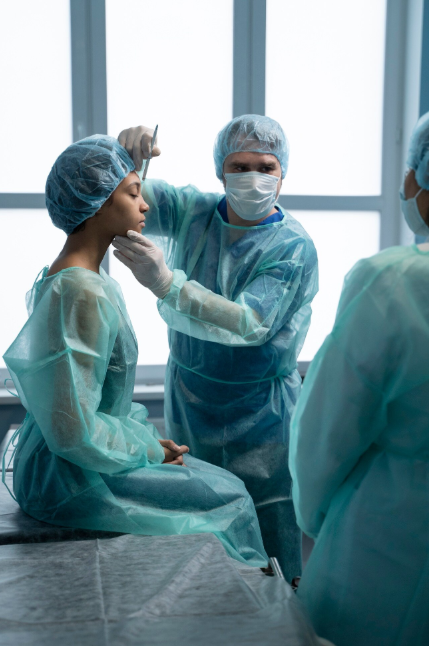
Turbinoplasty with revision rhinoplasty is a combined procedure that addresses both cosmetic and functional issues of the nose. While revision rhinoplasty focuses on correcting aesthetic or structural problems caused by previous nasal surgeries, turbinoplasty specifically reduces the size of enlarged nasal turbinates (soft tissue structures inside the nose) that often contribute to chronic nasal obstruction and breathing difficulties.
In Korea, this dual approach is highly advanced, allowing patients to achieve both a refined nasal shape and significantly improved airflow. Korean surgeons are internationally respected for their ability to integrate functional nasal surgery with revision aesthetics, ensuring the nose looks natural while functioning properly.
Purpose & Benefits
The purpose of combining turbinoplasty with revision rhinoplasty is to restore both the appearance and function of the nose. Benefits include:
- Correcting aesthetic concerns from prior rhinoplasty (asymmetry, irregularities, deformities).
- Reducing enlarged turbinates for improved breathing and airflow.
- Enhancing overall nasal function while preserving natural appearance.
- Achieving long-lasting results by addressing internal nasal obstruction and external structure together.
- Improving sleep quality and reducing nasal congestion caused by turbinate hypertrophy.
Ideal Candidates
This combined surgery is suitable for individuals who:
- Have undergone one or more unsuccessful rhinoplasties.
- Suffer from breathing difficulties due to enlarged turbinates.
- Experience nasal obstruction, congestion, or chronic sinus issues.
- Want both functional correction and aesthetic refinement in one procedure.
- Are in good health with realistic expectations about surgery and recovery.
Possible Risks & Complications
Though Korean surgeons minimize risks with advanced techniques, possible complications may include:
- Swelling and bruising around the nose.
- Temporary nasal dryness or crusting after turbinoplasty.
- Breathing difficulties if turbinates are over-reduced.
- Asymmetry or minor irregularities in healing.
- Rare need for further revision surgery.
Surgical Techniques Used
Korean surgeons use advanced methods to balance cosmetic revision and functional improvement:
- Endoscopic Turbinoplasty: Precisely reduces turbinate size while preserving mucosal function.
- Cartilage Grafting: Corrects collapsed or weakened nasal structures from previous surgeries.
- Dorsal/Tip Refinement: Reshapes and balances nasal contours for a natural look.
- Septoplasty (if needed): Corrects deviated septum to improve airflow further.
- Open or Closed Revision Approach: Chosen depending on complexity and aesthetic goals.
Recovery & Aftercare
- Swelling & Bruising: Visible swelling for 1–2 weeks; internal healing continues for months.
- Breathing Improvement: Noticeable within a few weeks once swelling decreases.
- Splints & Stitches: External splint for about 7 days; dissolvable stitches used internally.
- Downtime: Most patients return to normal activities within 10–14 days.
- Aftercare in Korea: Includes anti-swelling therapy, LED healing, breathing exercises, and routine follow-ups.
Results & Longevity
Turbinoplasty with revision rhinoplasty provides dual benefits: a naturally refined nose and significantly improved breathing. Results are long-lasting, as both nasal structure and turbinate function are corrected. With Korea’s advanced techniques, patients experience balanced aesthetics, restored airflow, and improved quality of life.
Treatment Process in Korea
1. Consultation
- Comprehensive examination with 3D imaging and endoscopy.
- Review of prior surgeries and nasal breathing evaluation.
- Personalized plan integrating both revision and functional correction.
2. Pre-Surgery Care
- Medical tests including nasal endoscopy, X-rays, and blood work.
- Planning for grafts if structural support is needed.
3. Surgery
- Performed under general anesthesia.
- Duration: 3–5 hours, depending on complexity.
- Turbinoplasty performed alongside revision for simultaneous correction.
4. Immediate Post-Surgery Care
- Patients monitored in recovery rooms.
- Splints and nasal packing (if used) removed within 5–7 days.
5. Follow-Up & Aftercare
- Anti-swelling injections and LED therapy.
- Breathing exercises prescribed.
- Ongoing follow-ups for international patients with full medical tourism support.
Why Korea?
- Integrated Approach: Korean surgeons excel at combining functional nasal surgery with aesthetic revision.
- Advanced Technology: Use of endoscopic tools ensures precision and safety in turbinoplasty.
- Natural Results: Emphasis on balanced aesthetics that enhance the overall face.
- Global Medical Tourism Hub: Comprehensive services for international patients including interpreters, transfers, and aftercare programs.
Cost Range
The cost of turbinoplasty with revision rhinoplasty in Korea depends on complexity and clinic reputation.
- General Price Range: ₩8,000,000 – ₩16,000,000 KRW (approx. $6,400 – $12,800 USD).
- Basic Packages Include: Surgeon’s fee, anesthesia, surgery, and standard follow-up care.
- Premium Packages May Include:
- Advanced 3D imaging consultations
- Rib or ear cartilage grafting (if required)
- VIP recovery suites
- LED healing and swelling reduction therapies
- Translator services & medical tourism concierge support
Popular Clinics
- Banobagi Plastic Surgery (Seoul): Specialized in functional and aesthetic combined nasal surgeries.
- ID Hospital (Seoul): Offers advanced revision techniques with integrated turbinoplasty.
- JW Plastic Surgery Clinic: Known for restoring breathing and aesthetics in revision cases.
- View Plastic Surgery Clinic: Provides comprehensive aftercare for international patients.
- MINE Plastic Surgery Clinic: Expert in combined functional-aesthetic nose surgeries with natural results.


