
Treatment Overview
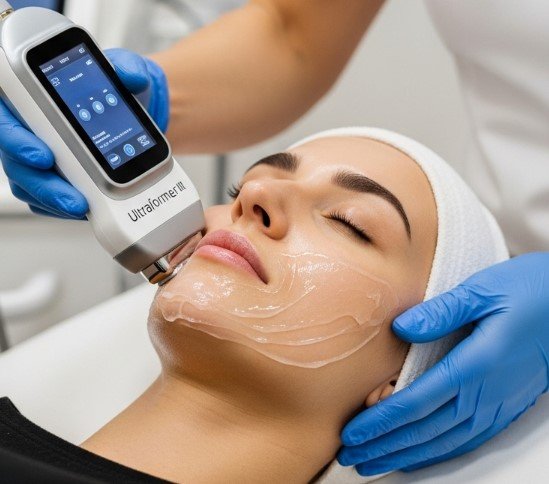
Ultraformer III is a High-Intensity Focused Ultrasound (HIFU) device widely used in Korea for skin tightening, lifting, and rejuvenation. While it is not a direct pigment-targeting treatment like lasers, Korean dermatologists often incorporate Ultraformer III as a supportive therapy for PIH (post-inflammatory hyperpigmentation) and acne pigmentation, especially when combined with pigment-focused lasers or boosters.
By delivering focused ultrasound energy into the dermis and SMAS (superficial muscular aponeurotic system) layer, Ultraformer III stimulates collagen production, improves circulation, and accelerates healing, which can help the skin recover from acne and inflammation that cause PIH.
In Korea, Ultraformer III is often included in multi-step PIH treatment programs, paired with Pico/Nd:YAG lasers, PRP, or tranexamic acid therapies.
Purpose & Benefits
- PIH Supportive Role: Improves skin healing and reduces inflammation that sustains pigmentation.
- Collagen Stimulation: Helps skin recover from acne damage and scarring.
- Texture & Tone Improvement: Smooths skin, reduces pores, adds radiance.
- Tightening & Firming: Provides anti-aging benefits alongside pigment support.
- Safe & Non-Invasive: No downtime, needle-free procedure.
Ideal Candidates
Ultraformer III in Korea is recommended for:
- Patients with PIH and acne pigmentation who also want skin tightening.
- Individuals with pigment + mild acne scars or early skin laxity.
- Adults looking for non-invasive supportive treatment with little downtime.
- Patients undergoing combination programs (Ultraformer + Pico/Nd:YAG + PRP/boosters).
Possible Risks & Complications
Ultraformer III is FDA/KFDA-approved and considered safe. Possible side effects include:
- Mild Redness & Warmth: Subside within hours.
- Slight Swelling or Tenderness: Temporary in treated areas.
- Rare Risks: Bruising or numbness if energy penetrates deeper tissues (minimized with Korean settings).
Surgical Techniques Used
- HIFU Energy Delivery: Targets dermis and SMAS layers to stimulate collagen and elastin.
- Multi-Depth Cartridges (1.5 mm, 3 mm, 4.5 mm): Tailored to patient needs (superficial + deeper layers).
- Combination Protocols: Often performed alongside Pico/Nd:YAG for PIH clearance.
Protocol: Usually 1–2 sessions for supportive PIH treatment, with maintenance every 6–12 months.
Recovery & Aftercare
Immediately: Mild redness, tingling, or swelling.
1–2 Days: Skin may feel tight or tender.
1 Week: Firmer, clearer-looking skin; PIH healing may accelerate.
Aftercare Tips:
- Apply SPF 50+ sunscreen daily.
- Use hydrating and barrier-strengthening creams.
- Avoid strong exfoliants or retinoids for 3–5 days.
- Maintain gentle skincare to support collagen production.
Results & Longevity
- After 1 Session: Subtle skin tightening and glow.
- After 2–3 Months: Better healing, more resilient skin, PIH gradually improves when combined with other therapies.
- After 3–6 Months: Significant collagen remodeling, reduced PIH recurrence, smoother skin tone.
- Long-Term: Results last 9–12 months; yearly touch-ups recommended.
Treatment Process in Korea
Consultation & Skin Analysis
- Dermatologist reviews acne history, PIH severity, and skin elasticity.
- Ultraformer chosen as a complementary therapy, not stand-alone pigment removal.
Preparation
- Gentle cleansing and application of ultrasound gel.
- Numbing cream not usually required.
Ultraformer III Session
- Step 1: Energy delivered through multi-depth cartridges.
- Step 2: Full-face treatment focusing on dermis and SMAS layers.
- Step 3: Often followed by pigment laser session for PIH.
- Duration: 30–45 minutes.
Post-Treatment Care
- Cooling mask or hydrating serum applied.
- Sunscreen applied before discharge.
Follow-Up
- 1–2 sessions annually for collagen support.
- Often combined with Pico/Nd:YAG, Sylfirm X, PRP, or whitening drips.
Unique Korean Advantages
- Combination Programs: Ultraformer paired with pigment-specific lasers for optimal results.
- Regenerative Add-Ons: Exosomes, PRP, or boosters often included for healing.
- Asian Skin Protocols: Gentle settings reduce PIH rebound risk.
- Affordable Packages: Bundled with lasers, making it more cost-effective than Western clinics.
Cost Range (Estimated)
- Single Session (Full Face): USD 600 – 1,200
- 2-Session Package: USD 1,000 – 2,000
- Premium PIH Program (Ultraformer + Lasers + Boosters): USD 2,500 – 4,000
Additional Costs:
- Consultation: USD 20 – 50
- PRP or Exosome boosters: USD 200 – 500
- Whitening drips (Glutathione, Vitamin C): USD 100 – 200
Example Korean Packages:
- Basic Ultraformer (1 session): USD 700–900
- Ultraformer + Pico for PIH Program: USD 1,800–2,200
- Premium Anti-Pigment & Rejuvenation Program: USD 3,000–4,000
Popular Clinics in Seoul
- Oracle Dermatology: Ultraformer + Nd:YAG for PIH and tightening.
- Banobagi Dermatology: Ultraformer + Pico for acne pigmentation + lifting.
- Renewme Skin Clinic: Ultraformer + PRP/exosome boosters for healing.
- View Plastic & Dermatology: Ultraformer + Fraxel for scars + pigment.
- Chaum Anti-Aging Center: Premium Ultraformer with regenerative add-ons.


