
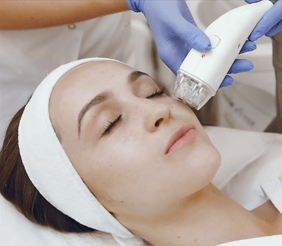
Treatment Overview
UltraPulse CO₂ Laser Whitening is one of the most advanced and effective skin brightening treatments available in Korea. This laser treatment uses fractional CO₂ technology to target skin pigmentation, acne scars, and uneven skin texture, while simultaneously stimulating collagen production. Unlike traditional laser therapies, the UltraPulse CO₂ laser delivers high-energy pulses in extremely short bursts, allowing for deep penetration into the skin with minimal damage to surrounding tissue.
In Korea, UltraPulse CO₂ Laser Whitening has become a top choice for both local and international patients seeking a brighter, smoother, and more youthful complexion. Korean dermatologists utilize the latest devices and advanced techniques, ensuring precise treatment, minimal downtime, and long-lasting results. The combination of technological innovation and skilled expertise makes Korea a global hub for skin whitening and aesthetic dermatology.
Purpose & Benefits
The UltraPulse CO₂ Laser is designed not only for whitening but also for comprehensive skin rejuvenation. Key benefits include:
- Reduction of pigmentation: Treats melasma, freckles, age spots, and sun-damaged skin.
- Skin brightening: Provides an even, radiant complexion by removing dull surface layers.
- Collagen stimulation: Promotes skin elasticity and firmness for younger-looking skin.
- Improved skin texture: Smooths fine lines, scars, and rough patches.
- Minimally invasive: Non-surgical treatment with quick recovery compared to traditional methods.
- Safe and precise: Controlled laser energy targets problem areas without harming surrounding skin.
Ideal Candidates
UltraPulse CO₂ Laser Whitening is suitable for anyone seeking advanced skin whitening and rejuvenation. Ideal candidates include:
- Individuals with uneven skin tone, hyperpigmentation, or age spots.
- Patients with dull or sun-damaged skin.
- Those looking for a non-surgical approach to brightening and rejuvenation.
- People wanting to improve skin texture, firmness, and overall radiance.
- Patients with acne scars or other minor skin imperfections seeking added benefits.
Possible Risks & Complications
While UltraPulse CO₂ Laser Whitening is generally safe, temporary side effects may occur, including:
- Redness or swelling in the treated areas for a few days.
- Mild peeling or flaking as damaged layers of skin are removed.
- Temporary darkening of pigmented areas before fading.
- Skin sensitivity or irritation in rare cases if aftercare instructions are not followed.
- Rare risk of scarring or infection when treatment is not performed by trained specialists.
Surgical Techniques Used
Although it is non-surgical, UltraPulse CO₂ Laser Whitening in Korea employs sophisticated laser techniques:
- Fractional CO₂ Laser Technology: Delivers precise, high-energy pulses to targeted areas, allowing skin resurfacing without excessive tissue damage.
- Customized treatment settings: Adjusted based on the patient’s skin type, pigmentation depth, and desired outcome.
- Combination therapies: Can be paired with topical whitening serums, PRP (platelet-rich plasma), or other Korean whitening treatments to enhance results.
- Cooling and comfort systems: Reduce discomfort and protect the surrounding skin during treatment.
Recovery & Aftercare
- Redness and mild swelling usually subside within 2–5 days.
- Peeling or flaking may occur as new skin surfaces are revealed.
- Daily sun protection is critical to prevent new pigmentation.
- Moisturizers, healing ointments, and doctor-prescribed creams should be applied.
- Multiple sessions are recommended for optimal whitening and long-lasting results.
Results & Longevity
- Noticeable skin brightening and texture improvement can appear after the first session.
- Full results typically require 2–4 sessions, depending on the severity of pigmentation.
- Improvements in pigmentation, fine lines, and skin firmness can last 1–2 years.
- Maintenance sessions may be suggested to preserve long-term whitening results.
Treatment Process in Korea
Korea is internationally recognized for its expertise in UltraPulse CO₂ Laser Whitening. The typical process involves:
- Consultation & Skin Analysis: Dermatologists use high-resolution imaging to assess pigmentation, skin thickness, and target areas.
- Personalized Treatment Plan: Laser energy, pulse duration, and session frequency are customized for each patient.
- Advanced Korean Technology: Clinics use FDA- and KFDA-approved UltraPulse CO₂ laser devices for precise results.
- Comfort Measures: Numbing creams and cooling systems minimize discomfort during treatment.
- Post-Treatment Care: Patients receive whitening serums, protective ointments, and detailed aftercare instructions to maximize results.
Why Korea is a Top Destination:
- Dermatologists with international training and experience treating Asian skin types.
- Access to the latest laser devices and combination whitening treatments.
- Competitive treatment costs without compromising quality.
- Reputation for advanced aesthetic dermatology and excellent patient care.
Cost Range
The cost of UltraPulse CO₂ Laser Whitening in Korea varies depending on clinic location, reputation, and session packages:
- Per Session: ₩250,000 – ₩600,000 (≈ $190 – $450)
- Package of 3–5 Sessions: ₩900,000 – ₩2,500,000 (≈ $680 – $1,900)
- Premium clinics may include additional post-treatment serums or facials in their packages.
Popular Clinics
- Banobagi Dermatology Clinic (Seoul) – Renowned for advanced whitening and resurfacing treatments.
- Renewme Skin Clinic (Seoul & Busan) – Specializes in laser toning, CO₂ resurfacing, and whitening.
- Oracle Dermatology (Nationwide) – Trusted for pigmentation and melasma treatment.
- ID Hospital Skin Clinic (Seoul) – Offers personalized whitening and rejuvenation programs.
- ME Clinic (Seoul) – Popular among international patients for laser skin brightening and collagen stimulation.


