
Treatment Overview
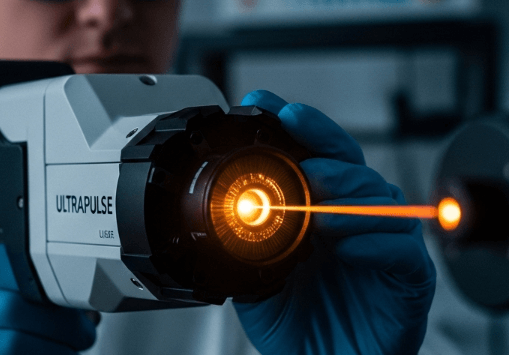
Ultrapulse Laser Dual Toning is a premium dermatology treatment in Korea that uses fractional CO₂ Ultrapulse technology to treat pigmentation, wrinkles, scars, and dull skin. Unlike gentler toning lasers, the Ultrapulse delivers deep fractional beams that resurface the skin, stimulate collagen remodeling, and improve both pigmentation and texture in a single procedure.
As part of Dual Toning protocols, the Ultrapulse Laser may be combined with gentler lasers (Nd:YAG or Pico) to address both surface pigmentation and deep textural issues. This makes it highly effective for patients with melasma combined with wrinkles, acne scars, or advanced photoaging.
It belongs to the Skin Concerns: Pigmentation / Wrinkles / Scars family (Ultrapulse CO₂, Nd:YAG Dual Toning, Pico Laser Toning, Spectra Laser, Ruby Laser):
- Ultrapulse Laser Dual Toning: Best for scars + wrinkles + pigmentation.
- Nd:YAG Dual Toning: Best for melasma + whitening.
- Pico Laser Toning: Best for stubborn pigmentation + collagen boost.
- Spectra Laser: Best for melasma + acne-prone skin.
- Ruby Laser: Best for freckles + superficial spots.
Purpose & Benefits
- Deep Resurfacing: Improves acne scars, wrinkles, and rough texture.
- Pigmentation Reduction: Targets melasma, sunspots, and uneven tone.
- Collagen Remodeling: Stimulates new collagen and elastin for firmness.
- Skin Tightening: Reduces fine lines and sagging.
- Dual-Tone Benefit: Can be combined with Nd:YAG/Pico for layered pigmentation control.
- Long-Lasting Results: Provides more durable improvements than gentler toning lasers.
Ideal Candidates
Ultrapulse Laser Dual Toning in Korea is recommended for:
- Adults with acne scars, wrinkles, or photoaging along with pigmentation.
- Patients with stubborn melasma that requires a stronger resurfacing approach.
- Individuals seeking skin tightening and rejuvenation in addition to whitening.
- Men and women comparing treatments:
- Ultrapulse Laser: Best for scars + wrinkles + pigment.
- Nd:YAG Dual Toning: Best for melasma + whitening.
- Pico Laser: Best for stubborn pigment + collagen remodeling.
- Spectra Laser: Best for melasma + acne-prone skin.
- Ruby Laser: Best for freckles + surface pigment.
Possible Risks & Complications
Ultrapulse Laser is safe in experienced hands, but as a more intensive resurfacing procedure, side effects can include:
- Redness & Swelling: May last several days.
- Crusting & Peeling: Normal healing response as skin resurfaces.
- Temporary Darkening: Pigmentation may darken before fading.
- Rare Risks: Scarring or persistent pigment changes (minimized with expert care).
Surgical Techniques Used
Ultrapulse Laser Dual Toning uses fractional CO₂ technology:
- Ultrapulse Mode: Delivers high-energy, ultra-short pulses to resurface skin.
- Fractional Delivery: Creates micro-columns to heal faster with collagen renewal.
- Dual Toning Protocol: Often layered with Nd:YAG or Pico for pigmentation + resurfacing.
- Protocol: 1–3 sessions, spaced 1–3 months apart; maintenance yearly.
Recovery & Aftercare
- Immediately: Redness, warmth, and swelling for 1–2 days.
- 3–7 Days: Peeling and crusting as skin renews.
- 1–2 Weeks: Smoother texture, lighter pigmentation.
Aftercare Tips:
- Apply SPF 50+ daily to prevent rebound pigmentation.
- Use healing ointments and hydrating creams.
- Avoid picking at peeling skin.
- Skip scrubs, retinoids, or strong acids until fully healed.
- Strict sun avoidance for at least 2 weeks.
Results & Longevity
- Immediate: Fresher, brighter skin after first healing phase.
- Short-Term (2–4 Weeks): Visible reduction in wrinkles, scars, and pigmentation.
- Medium-Term (2–3 Months): Progressive collagen remodeling and tightening.
- Long-Term: Lasts 1–2 years with proper aftercare and maintenance.
Treatment Process in Korea
- Consultation & Skin Analysis – Doctor evaluates scars, wrinkles, and pigmentation.
- Preparation – Cleansing, numbing cream, protective eyewear.
- Ultrapulse Laser Session – Fractional CO₂ Ultrapulse applied to target areas.
- Optional Add-Ons – Nd:YAG, Pico, or boosters for combination whitening.
- Post-Care – Cooling mask, healing ointments, or LED therapy.
- Follow-Up – Typically fewer sessions than gentler toning lasers.
Why Korea is a Top Destination
- Korea is globally recognized for Ultrapulse CO₂ resurfacing technology.
- Dermatologists are highly skilled in combining resurfacing + toning for Asian skin.
- Clinics use FDA/KFDA-approved Ultrapulse systems (Lumenis, etc.).
- More affordable than Western scar/wrinkle resurfacing programs.
- Seoul clinics specialize in “scar + melasma dual programs.”
Cost Range (Detailed Breakdown)
Pricing for Ultrapulse Laser Dual Toning in Korea:
- Single Session (full face): USD 500 – 1,000
- 2–3 Session Package (recommended): USD 1,200 – 2,500
- Ultrapulse + Nd:YAG/Pico Combo: USD 700 – 1,500 per session
- Premium Anti-Aging Package (Ultrapulse + Boosters + Regenerative Therapy): USD 2,500 – 4,500
Additional Costs in Korea:
- Consultation: USD 20 – 50
- Add-ons (Exosomes, PN boosters, Healing infusions): USD 150 – 600
💡 The Ultrapulse Laser is often called “the scar and wrinkle corrector” in Korea, thanks to its ability to treat deep textural issues while brightening skin tone.
Popular Clinics
- Banobagi Dermatology (Seoul): Ultrapulse + Dual Toning for scars + melasma.
- Oracle Dermatology (Seoul): Specialized CO₂ resurfacing protocols.
- Renewme Skin Clinic (Seoul): Ultrapulse for acne scars + wrinkles.
- View Plastic & Dermatology (Seoul): Ultrapulse + Pico/ND:YAG combo for pigment + texture.
- Chaum Anti-Aging Center (Seoul): Premium anti-aging Ultrapulse packages.


