
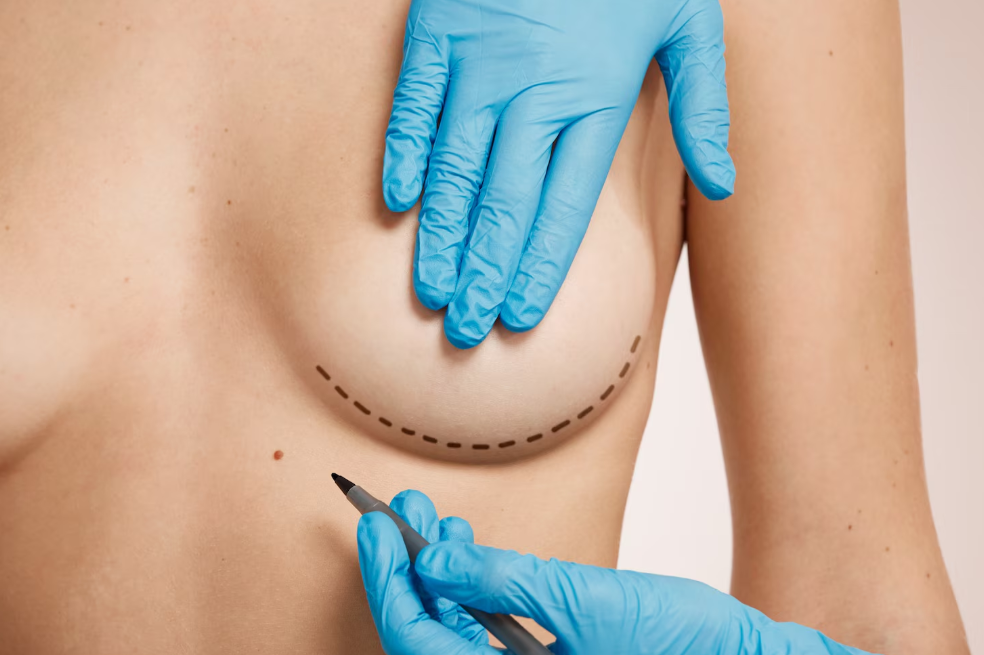
Treatment Overview
Ultrasound-Guided Fat Grafting in Korea is an advanced procedure that uses autologous fat harvested from the patient’s body and precisely injected into the breast or other areas using ultrasound guidance. This technique ensures even fat distribution, high graft survival, and optimal aesthetic results.
Korean clinics are internationally recognized for their precision, innovative technology, and minimally invasive techniques, making Korea a top destination for ultrasound-guided fat grafting.
Purpose & Benefits
The main goal of ultrasound-guided fat grafting is to enhance breast volume, shape, or symmetry using the patient’s own tissue.
Key Benefits:
- Natural breast augmentation without implants
- Corrects contour irregularities and asymmetry
- Minimally invasive with small incisions
- High fat survival rate due to precise placement
- Can be combined with breast reconstruction or implant revision
- Improves body contour by removing fat from donor areas such as abdomen or thighs
Ideal Candidates
Ultrasound-guided fat grafting is suitable for patients who:
- Desire subtle breast augmentation or contour correction
- Have asymmetry or irregularities after breast reconstruction
- Prefer autologous tissue over implants
- Are healthy and have sufficient donor fat
- Seek minimally invasive procedures with natural results
Possible Risks & Complications
Although safe, potential risks include:
- Temporary swelling, bruising, or tenderness
- Minor fat resorption, which may require touch-up sessions
- Infection or delayed wound healing (rare)
- Asymmetry or irregularities in contour
- Rare fat necrosis or cyst formation
Surgical Techniques Used
Korean surgeons utilize cutting-edge techniques for optimal results:
- Ultrasound Guidance: Ensures precise, even fat placement and avoids vascular complications
- Microcannula Injections: Minimizes trauma to surrounding tissue and promotes fat survival
- Autologous Fat Processing: Fat is purified and concentrated for higher graft retention
- Combination with Other Procedures: Can be paired with implant revision, breast reconstruction, or NAC reconstruction
- Minimally Invasive Incisions: Small entry points reduce scarring and recovery time
Recovery & Aftercare
- Most patients resume light activities within 1–2 days
- Swelling and bruising usually subside in 1–3 weeks
- Avoid pressure on treated areas for 2–4 weeks
- Follow-up visits monitor fat survival, contour, and symmetry
- Additional touch-ups may be scheduled if necessary for optimal results
Results & Longevity
- Natural-looking breast shape and volume immediately noticeable
- Fat graft retention rate is high due to ultrasound-guided precision
- Long-lasting results with proper care and stable body weight
- Korean surgeons focus on even distribution, soft texture, and symmetry
- Can be combined with secondary procedures for refinement
Treatment Process in Korea
Korea is a top destination for ultrasound-guided fat grafting because of advanced technology, precision, and patient-centered care:
- Consultation & Assessment: Evaluate breast condition, donor sites, and aesthetic goals
- Customized Surgical Plan: Determine volume of fat to be harvested and injection points
- Fat Harvesting: Liposuction from abdomen, thighs, or flanks using minimally invasive techniques
- Fat Processing: Purification and concentration to maximize survival
- Ultrasound-Guided Injection: Precise placement into breast tissue for even distribution
- Post-Operative Care: Compression garments for donor site, activity guidelines, and monitoring
- Follow-Up Visits: Assess fat survival, contour, and symmetry, with touch-up sessions if necessary
- Medical Tourism Support: English-speaking coordinators, recovery accommodations, and guidance for international patients
Cost Range
The cost of ultrasound-guided fat grafting in Korea varies based on volume, complexity, and combination procedures:
- Standard Breast Fat Grafting: ₩4,000,000 – ₩8,000,000 KRW
(Approx. $3,000 – $6,100 USD) - Combination with Breast Reconstruction or Implant Revision: ₩6,000,000 – ₩12,000,000 KRW
(Approx. $4,500 – $9,000 USD) - Additional Touch-Up Sessions: ₩2,000,000 – ₩5,000,000 KRW
(Approx. $1,500 – $3,800 USD)
Additional Costs:
- Pre-operative consultations and imaging: ₩100,000 – ₩300,000 KRW ($75 – $230 USD)
- Post-op garments and medications: ₩150,000 – ₩400,000 KRW ($115 – $300 USD)
- Follow-up visits: ₩50,000 – ₩200,000 KRW ($40 – $150 USD)
Popular Clinics
Top Korean clinics for ultrasound-guided fat grafting include:
- Banobagi Plastic Surgery Clinic – advanced fat processing and ultrasound-guided injection
- JK Plastic Surgery Center – precision fat grafting with aesthetic contouring
- ID Hospital Seoul – minimally invasive, high-retention fat grafting techniques
- View Plastic Surgery Hospital – focuses on natural breast shape and symmetry
- Regen Plastic Surgery – combines fat grafting with breast reconstruction or implant revision


