
Treatment Overview
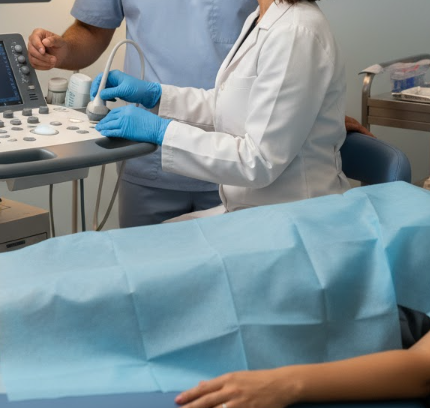
Ultrasound-Monitored IUI (Intrauterine Insemination) is an advanced fertility procedure that enhances the accuracy and success of conception by using real-time ultrasound imaging to monitor follicular growth and ovulation. This allows fertility specialists to determine the perfect time for insemination, ensuring sperm and egg meet under the most favorable conditions.
In Korea, ultrasound-monitored IUI has become the standard of excellence in assisted conception. Fertility centers utilize high-resolution transvaginal ultrasound, AI-based ovulation prediction, and hormonal analysis to optimize timing and endometrial readiness. The process is minimally invasive, safe, and performed by expert reproductive specialists, offering patients a seamless and effective path to pregnancy.
Purpose & Benefits
The purpose of Ultrasound-Monitored IUI is to achieve precise ovulation timing for insemination, ensuring that sperm are placed in the uterus at the moment of highest fertility potential.
Key benefits include:
- Accurate identification of ovulation using real-time ultrasound.
- Better synchronization of insemination with egg release.
- Increased pregnancy success rates compared to non-monitored cycles.
- Reduced risk of missed or premature ovulation.
- Ability to adjust medication or timing during the cycle.
- Safe, painless, and minimally invasive procedure.
Korea’s fertility programs combine advanced imaging technology with patient-centered care, resulting in a high level of accuracy, comfort, and confidence throughout treatment.
Ideal Candidates
Ultrasound-Monitored IUI in Korea is ideal for:
- Couples with unexplained infertility.
- Women with irregular ovulation or cycle variations.
- Mild male-factor infertility where sperm motility or count is slightly reduced.
- Patients using ovulation induction medications to stimulate egg development.
- Women with mild endometriosis or cervical factor infertility.
- Individuals or couples pursuing donor sperm IUI.
This approach is particularly beneficial for patients who have previously undergone unmonitored IUI cycles without success, as it provides accurate cycle management and higher pregnancy potential.
Possible Risks & Complications
Ultrasound-monitored IUI is very safe, but a few minor risks or side effects may occur.
- Mild bloating or abdominal discomfort due to follicle growth.
- Temporary cramping after insemination.
- Minimal spotting from the catheter insertion.
- Very rare risk of infection (prevented with sterile procedures).
- Emotional stress during hormonal monitoring or waiting periods.
Korean fertility specialists carefully monitor each patient’s hormonal response and follicular activity, significantly reducing risks while optimizing results.
Techniques & Technologies Used in Ultrasound-Monitored IUI in Korea
Korea’s fertility centers utilize cutting-edge reproductive imaging and laboratory techniques to maximize IUI precision and success.
Key technologies include:
- High-Resolution Transvaginal Ultrasound: Tracks follicular growth, endometrial thickness, and ovulation timing.
- Color Doppler Flow Imaging: Measures blood flow to the ovaries and uterus for implantation readiness.
- AI-Based Ovulation Prediction Systems: Use hormonal and ultrasound data to forecast the optimal insemination window.
- Endometrial Assessment: Ensures the uterine lining is receptive to embryo implantation.
- Ultrasound-Guided Catheter Insemination: Enables gentle, accurate sperm placement within the uterus.
- Hormonal Tracking (E2, LH, P4): Confirms follicular maturity and natural ovulatory surge.
These technologies ensure that insemination is performed at the exact biological moment for the highest likelihood of conception.
Recovery & Aftercare
Recovery following ultrasound-monitored IUI is quick and comfortable, allowing patients to resume daily activities almost immediately.
Typical aftercare includes:
- Resting for 10–20 minutes after the insemination.
- Avoiding intense exercise or heavy lifting for 24–48 hours.
- Taking prescribed luteal phase support such as progesterone.
- Maintaining hydration and healthy nutrition.
- Performing a pregnancy test 14 days after insemination.
Korean fertility clinics often provide emotional and lifestyle support, including stress management and nutrition counseling, to help patients maintain overall reproductive wellness during the cycle.
Results & Success Rates
Ultrasound-monitored IUI has significantly higher success rates than cycles based solely on urine or blood hormone testing. By using direct imaging, clinicians can pinpoint ovulation with unmatched accuracy.
Average success rates in Korea:
- Pregnancy rate per cycle: 15–25% for women under 35.
- Cumulative success over 3–6 cycles: 40–60%.
- Reduced cycle cancellations due to real-time monitoring.
- Better outcomes when combined with mild ovarian stimulation.
These results highlight Korea’s strength in precision-based reproductive medicine, where technology and timing come together to improve conception outcomes.
Ultrasound-Monitored IUI Process in Korea
The process for Ultrasound-Monitored IUI in Korea is carefully structured for accuracy and comfort:
- Initial Consultation & Evaluation
Fertility assessment through hormone tests, pelvic ultrasound, and semen analysis to determine the best treatment protocol. - Cycle Stimulation (if needed)
Mild ovarian stimulation with medications such as Clomiphene, Letrozole, or low-dose gonadotropins to promote egg development. - Ultrasound Monitoring
Serial ultrasounds track follicle size, number, and endometrial readiness throughout the cycle. - Ovulation Trigger
When follicles reach maturity (18–20 mm), an hCG or GnRH agonist injection is administered to trigger ovulation. - Sperm Preparation
Collected sperm is processed using microfluidic sorting or density gradient centrifugation to isolate motile sperm. - Ultrasound-Guided Insemination
The prepared sperm is gently introduced into the uterus under ultrasound visualization to ensure perfect placement. - Luteal Phase Support & Pregnancy Testing
Progesterone supplementation supports implantation. A pregnancy test is performed approximately two weeks later.
This patient-focused, data-driven process ensures synchronization between ovulation and insemination, offering higher precision and better success outcomes.
Why Korea Leads in Ultrasound-Monitored IUI
Korea is a global leader in reproductive medicine due to its technological innovation, medical expertise, and patient-centered approach.
Key advantages include:
- Highly experienced reproductive endocrinologists specializing in advanced imaging-guided fertility care.
- State-of-the-art ultrasound equipment providing real-time accuracy.
- Integration of AI and hormonal analysis for cycle prediction.
- Modern laboratory facilities for sperm processing and embryo preparation.
- Comprehensive support programs including psychological and nutritional care.
- Affordable treatment packages compared to Western countries.
Korea’s fertility centers maintain world-class standards of safety, innovation, and compassion, making them preferred destinations for assisted reproductive care worldwide.
Cost Range for Ultrasound-Monitored IUI in Korea
The cost of ultrasound-monitored IUI in Korea depends on clinic type, medication use, and monitoring frequency.
- Basic Ultrasound-Monitored IUI Cycle: USD 800 – 1,500.
- Advanced Monitored IUI with AI Tracking & Full Hormonal Panel: USD 1,800 – 3,000.
- Multi-cycle packages (3–6 cycles): Offered at discounted rates.
Most packages include consultations, ultrasound monitoring, insemination procedure, and follow-up care. Medications and additional laboratory tests may be charged separately.
Leading Clinics Offering Ultrasound-Monitored IUI in Korea
- CHA Fertility Center (Seoul & Bundang): Known for advanced imaging and AI-assisted reproductive care.
- Asan Medical Center – Department of Reproductive Medicine: Offers comprehensive monitoring and hormonal cycle management.
- MizMedi Women’s Hospital (Seoul): Specializes in ultrasound-guided insemination and precision fertility tracking.
- G Clinic (Seoul): Provides affordable ultrasound-based IUI packages with personalized patient care.
- Hamchoon Women’s Clinic: Focuses on ovulation synchronization and advanced reproductive imaging.


