
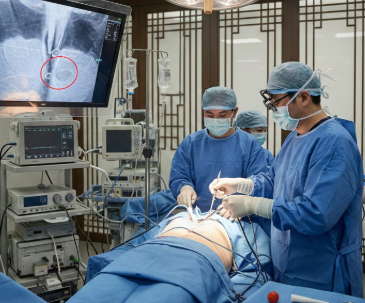
Treatment Overview
Ureteral laser ablation is a minimally invasive urological procedure used to treat ureteral strictures, tumors, or obstruction by using focused laser energy to remove or vaporize the affected tissue. This procedure restores normal urine flow from the kidney to the bladder while minimizing tissue damage and reducing recovery time.
In Korea, ureteral laser ablation is performed using advanced laser technologies such as Holmium and Thulium lasers under high-resolution endoscopic guidance. The procedure can target strictures, scar tissue, or small tumors with precision, making it a preferred choice for patients seeking minimally invasive and effective ureteral treatment. Korean hospitals are known for their expertise in endoscopic and laser urology, attracting international patients for specialized care.
Purpose & Benefits
The main purpose of ureteral laser ablation is to remove obstructive tissue, restore normal urine flow, and prevent kidney damage. Key benefits include:
- Immediate relief from ureteral obstruction and flank pain
- Minimally invasive technique with no external incisions
- Reduced risk of infection and scarring compared to open surgery
- Precise targeting of strictures or tumors using laser technology
- Short hospital stay and rapid recovery
- High success rates with low recurrence when performed by experienced urologists
Laser ablation allows for effective treatment of complex ureteral lesions while preserving kidney function and ureteral integrity.
Ideal Candidates
Ureteral laser ablation is suitable for patients who:
- Have ureteral strictures, scar tissue, or small benign tumors
- Experience recurrent urinary obstruction or hydronephrosis
- Require minimally invasive treatment with rapid recovery
- Are not suitable for open surgery due to health conditions or prior procedures
- Seek precise, high-tech treatment options in a specialized facility
Both adult and pediatric patients may benefit, depending on the stricture location and complexity.
Possible Risks & Complications
Although ureteral laser ablation is generally safe, potential risks include:
- Hematuria (blood in urine)
- Urinary tract infection
- Pain or discomfort in the flank or bladder
- Ureteral perforation or injury
- Stricture recurrence
- Stent-related discomfort if a temporary stent is placed
- Rare postoperative bleeding or complications
Korean urology centers minimize risks through advanced imaging, precision laser control, and structured postoperative monitoring.
Techniques & Technology Used
Korean hospitals use advanced techniques and technology for ureteral laser ablation:
- Holmium and Thulium laser systems for precise tissue vaporization
- Digital ureteroscopes for high-resolution visualization of strictures or lesions
- Fluoroscopy and ultrasound for accurate targeting and safety
- Balloon dilation or stent placement for post-procedural ureter support
- Combination of retrograde or antegrade endoscopic approaches depending on stricture location
These technologies ensure high success rates, minimal tissue trauma, and faster recovery.
Treatment Process in Korea
The ureteral laser ablation process in Korea is structured for safety and efficiency:
- Consultation & Evaluation
Patients undergo medical history review, urine tests, kidney function tests, and imaging (ultrasound, CT urography, or retrograde pyelography) to determine the lesion location and severity. - Pre-Procedure Preparation
Instructions include fasting, antibiotic prophylaxis, and anesthesia planning. Hospitals provide multilingual support for international patients. - Surgical Procedure
- Performed under local anesthesia with sedation or general anesthesia
- Retrograde or antegrade endoscopic access is selected based on lesion location
- Laser ablation is performed to remove or vaporize the stricture or lesion
- Temporary stent placement may be done to maintain ureteral patency
- Imaging confirms successful removal and restored urine flow
- Postoperative Monitoring
Patients are monitored for pain, urine output, and infection. Hospital stay typically ranges from a few hours to one night depending on procedure complexity. - Follow-Up & Recovery
Stents, if placed, are removed after 2–4 weeks. Follow-up imaging and kidney function tests ensure long-term success and early detection of any recurrence.
Recovery & After-Care
Recovery after ureteral laser ablation is generally fast due to its minimally invasive nature. Recommended after-care includes:
- Drinking plenty of fluids to support urine flow and prevent infection
- Managing mild pain or urinary urgency with prescribed medications
- Avoiding heavy lifting or strenuous activity for 1–2 weeks
- Monitoring for fever, hematuria, or abnormal urinary symptoms
- Attending all follow-up appointments and imaging
Most patients resume normal daily activities within a few days to one week, with gradual improvement in urinary function.
Results & Longevity
Ureteral laser ablation in Korea provides effective and durable outcomes:
- Immediate restoration of urine flow and relief of obstruction
- High long-term patency rates, especially when stent placement is used during healing
- Low recurrence rates when performed by experienced urologists
- Regular follow-up ensures optimal ureteral function and early detection of any complications
Korean hospitals report excellent results due to advanced laser technology and comprehensive postoperative care.
Why Korea Is a Top Destination
Korea is a leading destination for ureteral laser ablation because of:
- Highly skilled urologists with expertise in laser and endoscopic urology
- Advanced laser systems (Holmium and Thulium) and digital imaging
- Efficient scheduling and comprehensive support for international patients
- Competitive pricing compared to Western countries
- High safety and hygiene standards with low complication rates
- Full medical tourism support including accommodation, translation, and transportation
Patients worldwide trust Korea for safe, effective, and minimally invasive ureteral treatment.
Cost Range
The cost of ureteral laser ablation in Korea typically ranges from USD 3,500 to USD 7,500, depending on:
- Hospital tier and location
- Complexity and size of the stricture or lesion
- Type of anesthesia and surgical technique
- Stent placement and additional interventions
- Duration of hospital stay
Korean hospitals provide high-quality, cost-effective care for international patients.
Popular Clinics in Korea
- Seoul National University Hospital (SNUH)
- Asan Medical Center
- Samsung Medical Center
- Severance Hospital – Yonsei University Health System
- Korea University Anam Hospital
- Wooridul Urology Clinic
- Gangnam Severance International Clinic
These hospitals are recognized for advanced minimally invasive urology, high success rates in ureteral laser procedures, and comprehensive support for medical tourists.


