
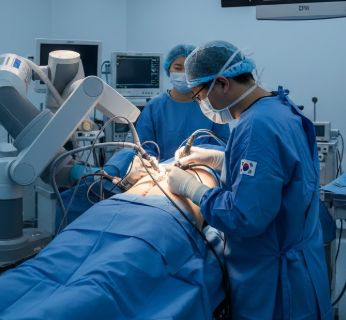
Treatment Overview
Ureteral stricture removal is a specialized urological procedure designed to treat narrowing or blockage of the ureter, restoring normal urine flow from the kidney to the bladder. Ureteral strictures can result from kidney stones, infections, surgical trauma, radiation, or congenital abnormalities. If untreated, strictures can lead to hydronephrosis, kidney damage, and recurrent urinary tract infections.
In Korea, ureteral stricture removal is performed using advanced endoscopic techniques, laser technology, and imaging guidance. Depending on the stricture’s location and severity, surgeons may choose retrograde, antegrade, or combined approaches, ensuring minimal invasiveness and high success rates. Korean hospitals are renowned for their expertise in ureteral reconstruction and minimally invasive urological procedures, attracting international patients seeking safe and effective treatment.
Purpose & Benefits
The main purpose of ureteral stricture removal is to restore proper urine flow, relieve obstruction, and preserve kidney function. The benefits of undergoing this procedure in Korea include:
- Immediate relief from ureteral obstruction and flank pain
- Prevention of kidney damage and hydronephrosis
- Reduced risk of urinary tract infections
- Minimally invasive techniques with smaller incisions or no external cuts
- High success rates using advanced imaging and laser technologies
- Combination with stent placement for enhanced healing and patency
Korean urologists tailor the procedure to the stricture type, length, and location, maximizing effectiveness while minimizing recovery time.
Ideal Candidates
Ureteral stricture removal is suitable for patients who:
- Suffer from ureteral obstruction due to stones, strictures, fibrosis, or trauma
- Experience recurrent urinary tract infections or hydronephrosis
- Have failed previous conservative or minimally invasive treatments
- Require preservation of kidney function and urinary flow
- Are seeking advanced, minimally invasive surgical solutions
Both adult and pediatric patients can benefit from this procedure, and international medical tourists often choose Korea for its advanced surgical expertise and patient-centered care.
Possible Risks & Complications
Although generally safe, ureteral stricture removal may involve certain risks:
- Hematuria (blood in urine)
- Urinary tract infection
- Pain or discomfort in the flank or bladder
- Ureteral injury or perforation during surgery
- Stricture recurrence
- Stent-related discomfort or migration
- Rare bleeding or postoperative complications
Korean hospitals reduce risks through careful imaging, meticulous surgical techniques, and structured postoperative monitoring.
Techniques & Technology Used
Korean urology centers utilize cutting-edge technology and techniques for ureteral stricture removal:
- Retrograde ureteroscopy for lower and mid-ureteral strictures
- Antegrade access via the kidney for complex or upper ureteral strictures
- Laser incision (Holmium or Thulium) to remove fibrotic tissue
- Balloon dilation to widen narrowed ureteral segments
- Guidewire-assisted stent placement to support healing
- High-resolution fluoroscopy and ultrasound for precise visualization
- Digital endoscopes for accurate identification of strictures and ureteral anatomy
These technologies ensure high success rates, minimal tissue damage, and faster recovery for patients.
Treatment Process in Korea
The ureteral stricture removal process in Korea is designed for efficiency and patient comfort:
- Consultation & Evaluation
Patients undergo medical history review, urine tests, kidney function evaluation, and imaging studies (CT urography, ultrasound, or retrograde pyelography) to assess stricture location and severity. - Pre-Procedure Preparation
Instructions include fasting, antibiotics, and anesthesia planning. Korean hospitals provide multilingual support for international patients. - Surgical Procedure
- Performed under local anesthesia with sedation or general anesthesia
- Retrograde or antegrade access is selected based on stricture location
- Laser incision or balloon dilation is performed to remove or widen the stricture
- A ureteral stent may be inserted to maintain patency and support healing
- Imaging confirms correct placement and restored urine flow
- Postoperative Monitoring
Patients are monitored for pain, infection, and urine output. Hospital stay may vary from a few hours to overnight depending on the procedure’s complexity. - Follow-Up & Recovery
Stents, if placed, are usually removed within 2–4 weeks. Follow-up imaging and kidney function tests ensure long-term success and detect any recurrence early.
Recovery & After-Care
Recovery from ureteral stricture removal is generally rapid, particularly with minimally invasive techniques. Recommended after-care includes:
- Drinking ample fluids to prevent infection and support urinary flow
- Managing mild discomfort or urinary frequency with prescribed medications
- Avoiding strenuous activity for 1–2 weeks
- Monitoring for fever, hematuria, or unusual urinary symptoms
- Attending all scheduled follow-up visits and imaging
Most patients can return to normal daily activities within a week, with gradual improvement in urinary function.
Results & Longevity
Ureteral stricture removal in Korea provides effective and durable relief from ureteral obstruction:
- Immediate restoration of urine flow and relief of hydronephrosis
- High long-term patency rates, especially when combined with stenting
- Low recurrence rates with precise laser incision and balloon dilation
- Regular follow-up ensures early detection of any complications or stricture recurrence
Korean hospitals report excellent outcomes due to advanced surgical techniques and comprehensive postoperative care.
Why Korea Is a Top Destination
Korea is a preferred destination for ureteral stricture removal because of:
- Highly experienced urologists trained in advanced minimally invasive procedures
- Cutting-edge endoscopic and laser technology
- Efficient scheduling and patient support services for international visitors
- Competitive pricing compared to Western countries
- High safety and hygiene standards with low complication rates
- Comprehensive medical tourism assistance including accommodation, translation, and transport
Medical tourists trust Korea for reliable, high-quality urological care with excellent outcomes.
Cost Range
The cost of ureteral stricture removal in Korea ranges from USD 4,000 to USD 9,000, depending on:
- Hospital tier and location
- Stricture complexity and length
- Type of anesthesia and surgical technique
- Stent placement and additional procedures
- Duration of hospital stay
Korean hospitals provide world-class care at competitive prices for international patients.
Popular Clinics in Korea
- Seoul National University Hospital (SNUH)
- Asan Medical Center
- Samsung Medical Center
- Severance Hospital – Yonsei University Health System
- Korea University Anam Hospital
- Wooridul Urology Clinic
- Gangnam Severance International Clinic
These hospitals are renowned for advanced minimally invasive urology, high success rates in ureteral stricture management, and comprehensive support for international patients.


