
Treatment Overview
Ureteral stricture repair in Korea is a highly refined surgical and endoscopic treatment aimed at correcting the narrowing of the ureter to restore normal urine flow. Strictures can occur due to stone disease, previous surgeries, infections, trauma, or congenital anomalies. When untreated, they can lead to hydronephrosis, recurrent urinary tract infections, or progressive kidney damage.
Korean medical centers are renowned for their precision diagnostics and minimally invasive surgical capabilities. Advanced imaging modalities such as CT urography, MR urography, digital ureteroscopy, and nuclear renal scans allow clinicians to determine the exact length, severity, and location of the stricture. Treatment plans are personalized, with surgeons selecting the optimal repair method for long-term urinary function preservation.
Patients from around the world travel to Korea specifically for ureteral repair due to its high success rates, modern technology, and systematic care for international visitors.
Purpose & Benefits
The goal of ureteral stricture repair is to remove, bypass, or widen the narrowed ureteral segment and restore unobstructed urine drainage. Correcting the stricture helps protect kidney health and prevents complications that can lead to long-term renal impairment.
Key benefits include:
- Restoration of normal urine flow
- Relief from flank pain and recurrent infections
- Prevention of hydronephrosis and kidney deterioration
- Improved overall urinary function
- Faster healing due to minimally invasive surgical methods
- High long-term success with low recurrence levels
Korea’s technological edge provides patients with shorter hospital stays, significantly reduced postoperative discomfort, and high-precision surgical techniques that deliver durable outcomes.
Ideal Candidates
Candidates for ureteral stricture repair in Korea typically include individuals who experience:
- Recurrent or chronic flank pain
- Persistent urinary infections due to obstruction
- Hydronephrosis detected through imaging
- History of kidney stones or previous ureteroscopic surgery
- Trauma-induced ureteral scarring
- Lack of improvement after stent placement or balloon dilation
Additionally, international patients seeking cutting-edge surgical treatment, improved success rates, and well-coordinated medical tourism services are excellent candidates for undergoing this procedure in Korea.
Possible Risks & Complications
Although Korea maintains one of the safest surgical environments globally, potential risks may still occur depending on the type and extent of the repair. These risks can include:
- Infection at the surgical site
- Bleeding or hematoma
- Recurrence of ureteral stricture
- Ureteral leakage at the repair site
- Stent discomfort, urgency, or frequency
- Postoperative pain around the incision area
- Rare complications requiring revision surgery
Korean hospitals reduce these risks through preoperative diagnostics, robotic precision, high-quality suturing techniques, and comprehensive postoperative monitoring systems.
Techniques & Technology Used
Korea’s ureteral stricture repair program is among the most technologically advanced in the world. Urologists use various methods depending on the severity and underlying cause of the stricture. Common techniques include:
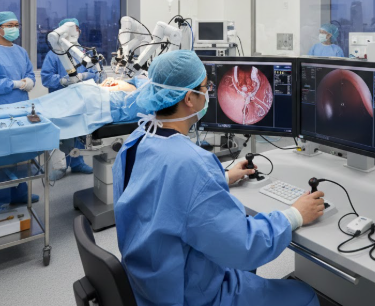
- Robotic-Assisted Ureteral Reconstruction (Da Vinci System): Offers superior precision, magnification, and minimal blood loss.
- Ureteroureterostomy: Excision of the narrowed segment and reconnection of the healthy ends.
- Ureteroneocystostomy (Reimplantation): Used for lower ureteral strictures; reattaches the ureter directly into the bladder.
- Psoas Hitch or Boari Flap Reconstruction: For long or complex strictures, bladder tissue is used to bridge gaps.
- Buccal Mucosal Graft Ureteroplasty: Specialized technique using inner cheek tissue to widen the ureter.
- Endoscopic Laser Endoureterotomy: Holmium or Thulium laser is used to incise and widen short strictures.
- Balloon Dilatation: Recommended only for very short and simple strictures.
Technology such as high-definition ureteroscopes, fluoroscopic guidance, 3D robotic consoles, and ERAS (Enhanced Recovery After Surgery) protocols further elevates treatment outcomes in Korea.
Treatment Process in Korea
Korean hospitals offer a streamlined, patient-centric treatment journey, especially designed for overseas visitors. The typical process includes:
- Remote Medical Review: Patients submit medical reports, imaging, and symptoms for an initial evaluation.
- In-Clinic Diagnostic Testing: Includes imaging, urine studies, renal function tests, and endoscopic assessments.
- Customized Surgical Planning: Urologists determine the optimal technique based on stricture characteristics and patient health status.
- Surgery: Depending on the chosen method, the procedure takes 1 to 3 hours. A stent is commonly inserted to support healing.
- Hospitalization: Patients typically stay 2 to 4 days for observation and pain control.
- Recovery Monitoring: Post-surgery evaluations include imaging to ensure the repaired ureter drains properly.
- Stent Removal: Usually after 4 to 6 weeks through an outpatient visit.
- Final Follow-Up & Travel Clearance: Patients are usually allowed to travel 5 to 10 days after surgery, depending on recovery.
Recovery & After-Care
Recovery after ureteral stricture repair in Korea is efficient due to enhanced recovery practices and meticulous surgical techniques. Patients typically experience:
- Mild incision soreness for several days
- Temporary urinary frequency or stent irritation
- Ability to resume light physical activity within 1 to 2 weeks
- Full recovery by 4 to 6 weeks
Korean hospitals emphasize proper hydration, infection prevention, incision care, and avoidance of strenuous activities. Medical tourists benefit from multilingual coordinators who assist with medication guidelines, follow-up imaging, and telemedicine consultations after returning home.
Results & Longevity
Korea’s ureteral stricture repair procedures are known for excellent long-term outcomes, with success rates frequently exceeding 90% depending on the repair method.
Patients typically experience:
- Permanent relief from obstruction
- Stable kidney function
- Reduction or elimination of related urinary symptoms
- Very low risk of recurrence with robotic or graft-based techniques
Buccal graft repairs and robotic reconstructions offer particularly robust durability, making Korea a preferred destination for patients seeking reliable, lasting results.
Why Korea Is a Top Destination
Korea has become a global leader in urological surgery for several key reasons:
- World-class robotic surgery programs
- Experienced urologists with global training
- High hospital hygiene and safety standards
- Rapid admission-to-treatment timelines
- Competitive pricing compared to Western countries
- Superb medical tourism services, including translators, coordinators, and airport support
Additionally, Korea’s healthcare ecosystem emphasizes patient comfort, accuracy, and comprehensive follow-up. The country also offers a safe travel environment and excellent public infrastructure, making it ideal for medical tourists.
Cost Range
The cost of ureteral stricture repair in Korea varies depending on the repair type, hospital level, and extent of reconstruction:
- Laser Endoureterotomy: USD 4,000–7,000
- Robotic Ureteroureterostomy: USD 9,000–16,000
- Robotic Ureteroneocystostomy: USD 10,000–18,000
- Graft-Based Reconstruction: USD 12,000–20,000
These prices typically cover surgeon fees, anesthesia, hospital stay, imaging, and postoperative evaluations. Korea remains more cost-effective compared to the United States, Europe, and the Middle East.
Popular Clinics in Korea
Highly reputed hospitals offering advanced ureteral stricture repair include:
- Asan Medical Center
- Seoul National University Hospital
- Samsung Medical Center
- Severance Hospital (Yonsei University Health System)
- Wooridul Urology Hospital
- Seoul St. Mary’s Hospital (Catholic University)
- Ewha Womans University Seoul Hospital
These institutions feature cutting-edge robotic suites, specialized urology departments, and international patient centers.


