
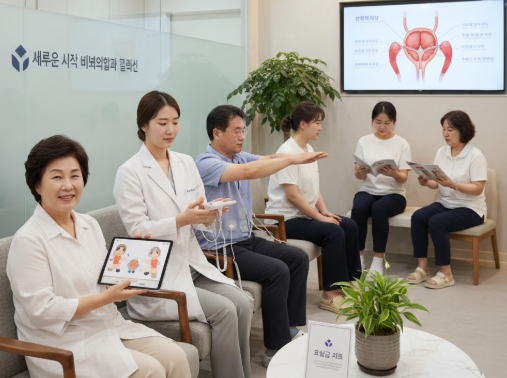
Treatment Overview
Urge incontinence, often described as a sudden, intense urge to urinate followed by involuntary leakage, is one of the most common types of urinary incontinence among adults. In Korea, advanced medical systems, modern diagnostic tools, and evidence-based treatment protocols make it an ideal destination for patients struggling with persistent urinary urgency. Clinics and hospitals provide a comprehensive evaluation and treatment program that ranges from lifestyle therapy to cutting-edge neuromodulation procedures.
Purpose & Benefits
The main goal of urge incontinence therapy in Korea is to reduce sudden urinary urges, prevent leakage episodes, and restore bladder control.
H5 Benefits include:
- Reduction in frequency and intensity of urinary urgency
- Improved daily comfort and fewer bathroom interruptions
- Less nighttime urination and better sleep
- Enhanced confidence and quality of life
- Access to minimally invasive and highly effective treatment options
- Personalized treatment based on advanced uro-diagnostics
Ideal Candidates
H5 You may be a suitable candidate if you:
- Frequently experience strong, sudden urges to urinate
- Have involuntary leakage before reaching the bathroom
- Wake up multiple times at night to urinate
- Have tried lifestyle changes or medications without success
- Prefer advanced treatment solutions such as Botox or nerve stimulation
- Want a precise diagnosis and tailored treatment program
Korea welcomes both local and international patients, offering interpreter services and smooth medical travel support.
Possible Risks & Complications
Most treatments for urge incontinence are safe and well-tolerated, but potential risks can vary depending on the procedure.
H5 Possible complications may include:
- Mild discomfort during tests
- Temporary urinary retention after Botox injections
- Minor bruising from nerve stimulation devices
- Urinary tract infection (rare)
- Allergic reaction (very rare)
All treatments are performed under strict safety protocols in accredited Korean hospitals.
Techniques & Technology Used
Korean urology centers use a combination of non-invasive, minimally invasive, and advanced technological approaches.
H5 Common techniques include:
- Urodynamic testing: Measures bladder pressure and function for precise diagnosis
- Pelvic floor therapy: Structured exercises guided by specialists
- Biofeedback training: Helps patients strengthen bladder control
- Medications: Antimuscarinics, beta-3 agonists, and combination therapy
- Botox injections: Used to relax overactive bladder muscles
- Percutaneous Tibial Nerve Stimulation (PTNS): A non-surgical neuromodulation therapy
- Sacral Nerve Stimulation (SNS): Implantable device for long-term control
- High-resolution bladder ultrasound: For accurate anatomical assessment
Korea is renowned for using the latest medical equipment and internationally standardized treatment protocols.
Treatment Process in Korea
H5 Step 1: Consultation
A urologist reviews your symptoms, medical history, and lifestyle factors.
H5 Step 2: Diagnostic Testing
Tests may include urinalysis, urodynamic studies, ultrasound, voiding diaries, and neurological evaluations.
H5 Step 3: Personalized Treatment Plan
A customized therapy plan is created based on test results and severity of symptoms.
H5 Step 4: Non-invasive Therapies
Lifestyle changes, pelvic floor exercises, diet adjustments, and medications are introduced first.
H5 Step 5: Minimally Invasive Procedures
If symptoms persist, treatments like PTNS or Botox injections are recommended.
H5 Step 6: Surgical or Device-Based Solutions
For severe or treatment-resistant cases, sacral nerve stimulation is offered.
H5 Step 7: Follow-Up and Monitoring
Regular follow-up ensures long-term success and adjustments if needed.
Recovery & After-Care
Recovery is generally quick, especially for minimally invasive procedures.
H5 After-Care Guidelines:
- Maintain proper hydration
- Avoid bladder irritants (caffeine, alcohol, spicy foods)
- Continue pelvic floor exercises consistently
- Follow medication instructions carefully
- Attend scheduled follow-up appointments
- Monitor any changes in urinary patterns
Patients traveling from abroad can receive remote follow-up support after returning home.
Results & Longevity
Results depend on the type of therapy selected.
H5 Typical outcomes include:
- Noticeable reduction in urgency within weeks
- Improved bladder control
- Up to 70–90% success rate with nerve stimulation or Botox
- Long-lasting results with sacral nerve modulation (5–10+ years)
Lifestyle modification combined with medical therapy produces the best long-term outcomes.
Why Korea Is a Top Destination
Korea attracts thousands of international patients for urinary incontinence treatment due to:
- World-class urology specialists
- Advanced diagnostic and treatment technology
- Short waiting times and seamless medical services
- Affordable procedures compared to Western countries
- High patient safety standards
- Multilingual support for international visitors
- Efficient medical tourism infrastructure
Korean hospitals consistently rank among Asia’s top medical centers for urology care.
Cost Range
Prices vary based on the hospital, severity of condition, and selected therapy.
H5 Estimated costs in Korea:
- Consultation & Tests: $150–$500
- Medications: $20–$60 per month
- PTNS Therapy (per session): $80–$150
- Botox Injection for OAB: $900–$1,500
- Sacral Nerve Stimulation: $10,000–$18,000
International packages often include airport pickup, translation, and follow-up arrangements.
Popular Clinics in Korea
Some of the most reputable medical centers for urge incontinence therapy include:
- Seoul National University Hospital (SNUH)
- Samsung Medical Center
- Asan Medical Center
- Severance Hospital (Yonsei University)
- Wooridul Urology Clinic
- Mirae Urology Center
- CNU Hospital Urology Department
These clinics are known for specialized urology teams and advanced bladder disorder treatments.


