
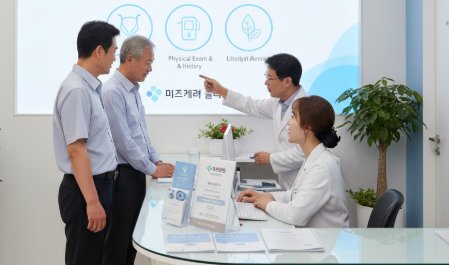
Treatment Overview
Urinary incontinence is a condition where a person cannot fully control urine leakage, affecting both daily activities and quality of life. While surgery is effective for severe cases, many individuals prefer non-surgical approaches that are safer, less invasive, and require little to no downtime. Korea is a global leader in offering advanced, non-surgical treatments for urinary incontinence, supported by cutting-edge medical technology and internationally trained urologists.
Korean hospitals provide comprehensive treatment programs for all types of urinary incontinence — stress, urge, overflow, and mixed — focusing on strengthening the pelvic floor, improving bladder function, and reducing involuntary leakage.
Purpose & Benefits
H5 Key benefits of non-surgical treatment options in Korea include:
- Safe and minimally invasive solutions
- No recovery downtime compared to surgical procedures
- Effective for mild to moderate incontinence
- Suitable for seniors, post-surgery patients, and those avoiding surgery
- Improves bladder control and reduces leakage
- Enhances pelvic floor strength
- Supports long-term continence with lifestyle guidance
- Personalized treatment based on diagnostic results
Non-surgical therapies are especially popular among international patients seeking fast and effective results.
Ideal Candidates
H5 You may be an ideal candidate if you:
- Experience urine leakage during coughing, laughing, or exercise
- Have frequent urges to urinate with little warning
- Wake up multiple times at night to urinate
- Experience leakage after childbirth or prostate surgery
- Prefer conservative therapy before considering surgery
- Are medically unsuitable for surgical interventions
- Want long-term bladder control through gradual improvements
Non-surgical treatment is suitable for both men and women of all ages.
Possible Risks & Complications
Non-surgical treatments are generally very safe, but minor risks may exist depending on the method.
H5 Possible risks include:
- Mild muscle soreness after pelvic floor therapy
- Temporary bladder irritation after PTNS or Botox
- Minor fatigue after electrical stimulation sessions
- Rare allergic response to medication
- Slight discomfort during diagnostic assessments
Korea’s urology clinics maintain strict safety protocols to keep complications minimal.
Techniques & Technology Used
Korean hospitals utilize world-leading non-invasive and minimally invasive therapies to improve bladder control without surgery.
H5 Most common non-surgical treatments include:
Pelvic Floor Muscle Training (PFMT)
Guided exercises that strengthen pelvic muscles responsible for bladder control.
Biofeedback Therapy
Real-time monitoring helps patients perform pelvic exercises correctly.
Electrical Muscle Stimulation (EMS)
Gentle electrical pulses strengthen pelvic floor and bladder muscles.
Bladder Training Programs
Improve bladder capacity and teach timing control techniques.
Lifestyle & Behavioral Modifications
Includes diet management, fluid control, weight management, and timed voiding.
Medications for Urge and Mixed Incontinence
Antimuscarinics, beta-3 agonists, and combination therapies reduce urgency and frequency.
Percutaneous Tibial Nerve Stimulation (PTNS)
A non-surgical neuromodulation technique that improves bladder signaling.
Vaginal Laser Therapy (for Women)
CO₂ or Er:YAG lasers improve tissue elasticity and control stress incontinence.
Urethral Bulking Agents (Minimally Invasive)
Non-surgical injection therapy to reduce stress leakage.
Botox Injections for Overactive Bladder
Helps relax bladder muscles to prevent sudden urges (still classified as minimally invasive).
These technologies provide effective results without the need for hospital admission or surgical recovery.
Treatment Process in Korea
H5 Step 1: Initial Consultation
A urologist or urogynecologist reviews symptoms, medical history, and lifestyle factors.
H5 Step 2: Diagnostic Evaluation
Tests such as urodynamic studies, bladder ultrasound, and pelvic floor assessments identify the cause and severity of incontinence.
H5 Step 3: Personalized Treatment Plan
Doctors develop a customized non-surgical therapy program tailored to the patient’s needs.
H5 Step 4: First-Line Treatments
Pelvic floor therapy, bladder training, behavioral guidance, and medications are introduced first.
H5 Step 5: Advanced Non-Surgical Options
If symptoms persist, PTNS, Botox, lasers, or urethral bulking are recommended.
H5 Step 6: Progress Monitoring
Regular follow-ups track improvements and adjust therapies as needed.
H5 Step 7: Long-Term Maintenance
Patients receive lifestyle guidelines and exercises to maintain results long-term.
Most international patients appreciate the efficiency and comfort of Korea’s streamlined treatment process.
Recovery & After-Care
Because the treatments are non-surgical, recovery time is minimal.
H5 After-care guidelines include:
- Continue pelvic floor exercises regularly
- Avoid caffeine and spicy food if urge symptoms persist
- Drink enough water to avoid bladder irritation
- Keep scheduled therapy sessions for consistent progress
- Follow medication instructions carefully
- Inform your doctor about new symptoms or changes
Non-surgical procedures allow patients to resume daily activities immediately.
Results & Longevity
H5 Expected outcomes:
- Improved bladder control within weeks
- Reduced urinary leakage episodes
- Better pelvic strength and bladder coordination
- Significant improvement with PTNS and Botox
- Long-lasting results with laser therapy for women
- Enhanced quality of life and confidence
For maximum longevity, doctors recommend maintaining pelvic floor exercises and healthy habits.
Why Korea Is a Top Destination
Korea is widely recognized as one of the best countries for non-surgical urinary incontinence treatment due to:
- Highly skilled urologists and urogynecologists
- Advanced rehabilitation and pelvic floor clinics
- The latest PTNS and biofeedback equipment
- Non-invasive solutions with high clinical success rates
- Affordable treatment options compared to Western countries
- Comprehensive medical tourism services
- Excellent safety standards and internationally accredited hospitals
- Short waiting times and fast results
These advantages make Korea a preferred choice for global patients seeking effective non-surgical bladder care.
Cost Range
H5 Estimated costs for non-surgical treatments in Korea:
- Consultation & Diagnostics: $120–$400
- Pelvic Floor Therapy Session: $50–$150
- Biofeedback Therapy: $70–$150
- Electrical Stimulation Therapy: $60–$120
- PTNS (per session): $80–$150
- Medications: $20–$60 per month
- Vaginal Laser Therapy (per session): $300–$700
- Botox Injection for OAB: $900–$1,500
- Urethral Bulking Agents: $800–$1,400
Many clinics offer combination packages for international patients.
Popular Clinics in Korea
Leading hospitals and centers offering non-surgical urinary incontinence treatments include:
- Seoul National University Hospital (SNUH)
- Samsung Medical Center
- Asan Medical Center
- Severance Hospital (Yonsei University)
- CHA Women’s Medical Center
- Mirae Urology Clinic
- Wooridul Urology Center
- Seoul Women’s Urogynecology Clinic
These institutions are known for advanced diagnostic tools and excellent non-surgical therapy success rates.


