
Treatment Overview
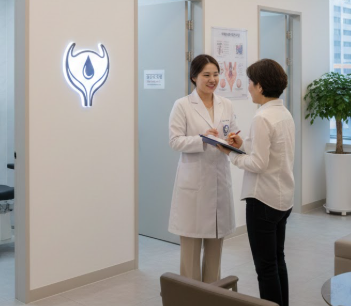
Urodynamic testing and bladder health check-ups in Korea are comprehensive diagnostic procedures designed to evaluate urinary function and detect underlying bladder conditions. These tests measure bladder capacity, pressure, flow, and sphincter function, helping to identify issues such as urinary incontinence, overactive bladder, bladder outlet obstruction, or neurogenic bladder. Korean hospitals provide state-of-the-art urodynamic equipment and specialized urology services, making them a top destination for both domestic and international patients seeking accurate diagnosis and effective management of bladder health.
Purpose & Benefits
The main purposes of urodynamic testing and bladder health check-ups are:
- Assessing bladder storage and emptying functions.
- Detecting early signs of urinary disorders or bladder dysfunction.
- Guiding individualized treatment plans for urinary conditions.
- Monitoring bladder function in patients with chronic or recurring urinary issues.
Benefits include:
- Early diagnosis and prevention of long-term complications.
- Objective assessment of urinary function for accurate treatment decisions.
- Personalized recommendations for lifestyle, therapy, or surgical interventions.
- Minimally invasive testing with rapid recovery and minimal discomfort.
Ideal Candidates
Bladder health check-ups with urodynamic testing are recommended for:
- Individuals experiencing urinary incontinence, urgency, or frequency.
- Patients with recurrent urinary tract infections.
- Those with a history of pelvic surgery or neurological disorders affecting bladder function.
- Elderly patients or those with chronic bladder conditions.
- Patients seeking preventive assessment for long-term bladder health.
Korean specialists provide customized evaluation protocols based on age, symptoms, and medical history.
Possible Risks & Complications
Urodynamic testing is generally safe, but possible risks include:
- Mild discomfort or burning during catheter insertion.
- Temporary hematuria (blood in urine) or minor bleeding.
- Urinary tract infections, usually treatable with antibiotics.
- Rare allergic reactions if contrast agents are used.
Korean hospitals maintain strict sterilization and monitoring protocols to minimize these risks.
Techniques & Technology Used
Advanced technology used in Korea for urodynamic testing and bladder check-ups includes:
- Cystometry: Measures bladder pressure and capacity.
- Pressure-Flow Studies: Evaluates bladder contractility and urethral resistance.
- Uroflowmetry: Monitors urine flow rate and patterns.
- Electromyography (EMG): Assesses pelvic floor and sphincter muscle function.
- Video Urodynamics: Combines imaging with pressure measurements for detailed evaluation.
- High-Resolution Catheters and Sensors: Ensure accurate readings with minimal discomfort.
These technologies allow specialists to detect subtle bladder dysfunction and plan effective management strategies.
Treatment Process in Korea
The process typically includes:
- Pre-test Assessment: Review of medical history, physical examination, and urine tests.
- Preparation: Guidance on hydration and emptying the bladder prior to testing.
- Testing Procedure: Catheters and sensors are placed in the bladder and urethra while bladder filling and voiding are monitored.
- Post-test Monitoring: Patients are observed briefly to ensure no complications and receive post-test instructions.
International patients benefit from translation services, appointment coordination, and follow-up guidance.
Recovery & After-Care
Recovery after urodynamic testing is generally quick:
- Drink plenty of fluids to flush the urinary tract.
- Monitor for mild burning, discomfort, or hematuria.
- Report any persistent symptoms or fever to the urologist.
- Resume normal activities unless otherwise advised.
- Attend follow-up consultation to review results and plan management or preventive strategies.
Results & Longevity
Urodynamic testing and bladder check-ups provide detailed insights into urinary function, enabling:
- Early identification of bladder dysfunctions.
- Development of individualized treatment plans, including lifestyle modifications, medications, or surgical interventions.
- Long-term monitoring to prevent recurrence of urinary disorders and maintain optimal bladder health.
Why Korea Is a Top Destination
Korea is a preferred destination for urodynamic testing and bladder health check-ups due to:
- Advanced Technology: High-resolution urodynamic systems, video urodynamics, and EMG monitoring.
- Expert Specialists: Board-certified urologists with extensive experience in managing complex urinary disorders.
- Comprehensive Care: Full support for international patients including translation services, patient coordinators, and follow-up assistance.
- High Safety Standards: Strict sterilization, monitoring, and emergency protocols.
- Efficient Healthcare System: Short waiting times and organized procedures ensure smooth patient experience.
Cost Range
Costs for urodynamic testing and bladder health check-ups in Korea vary depending on the complexity of testing:
- Standard urodynamic test: $400 – $700 USD
- Comprehensive evaluation with video or pressure-flow studies: $700 – $1,200 USD
- International patient packages including hospital coordination, translation, accommodation, and follow-up: $500 – $1,000 USD
Popular Clinics in Korea
Top hospitals providing urodynamic testing and bladder check-ups include:
- Severance Hospital, Seoul
- Asan Medical Center, Seoul
- Samsung Medical Center, Seoul
- Bundang CHA Hospital, Seongnam
- Hanyang University Hospital, Seoul
These hospitals provide advanced diagnostics, expert care, and comprehensive support for international patients.


