
Treatment Overview
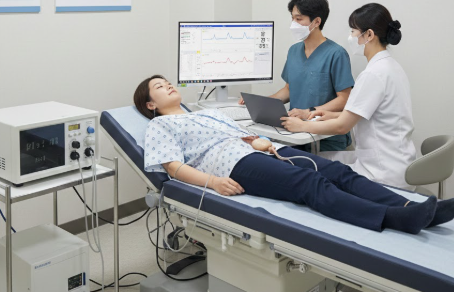
Urodynamic testing is a critical diagnostic tool for evaluating pelvic floor dysfunction (PFD), a condition where the muscles and connective tissue supporting the pelvic organs do not function properly. Pelvic floor dysfunction can lead to urinary incontinence, bladder retention, pelvic organ prolapse, and chronic pelvic pain. In Korea, hospitals and specialized urology centers offer advanced urodynamic testing to precisely assess bladder and pelvic floor function, helping to guide targeted therapies for both domestic and international patients.
Purpose & Benefits
The purposes of urodynamic testing for pelvic floor dysfunction include:
- Assessing bladder and urethral function during filling and voiding.
- Measuring detrusor muscle activity, sphincter coordination, and bladder pressures.
- Identifying functional causes of urinary incontinence, retention, or pelvic organ prolapse.
- Guiding individualized treatment strategies such as pelvic floor exercises, medications, biofeedback, or surgery.
Benefits include:
- Accurate diagnosis of complex pelvic floor disorders.
- Identification of contributing factors to urinary or fecal incontinence.
- Guidance for tailored non-surgical and surgical interventions.
- Minimally invasive testing with quick recovery and low risk.
Ideal Candidates
Urodynamic testing for pelvic floor dysfunction is recommended for patients who:
- Experience urinary incontinence, urgency, frequency, or retention.
- Have pelvic organ prolapse affecting bladder or bowel function.
- Suffer from chronic pelvic pain or recurrent urinary tract infections.
- Require preoperative assessment before pelvic or bladder surgery.
- Are international patients seeking precise diagnostic evaluation and treatment planning.
Possible Risks & Complications
While urodynamic testing is generally safe, potential risks include:
- Mild discomfort or burning sensation during catheter insertion.
- Temporary hematuria or minor urinary bleeding.
- Rare urinary tract infection, which can be treated with antibiotics.
- Rare allergic reactions if contrast agents are used for imaging.
Korean hospitals maintain strict sterilization and monitoring protocols to minimize these risks.
Techniques & Technology Used
Advanced techniques for urodynamic testing and pelvic floor evaluation in Korea include:
- Cystometry with High-Resolution Sensors: Measures bladder pressure, compliance, and capacity.
- Pressure-Flow Studies: Assesses bladder contractility and urethral resistance during voiding.
- Electromyography (EMG): Records pelvic floor and sphincter muscle activity.
- Video Urodynamics: Combines imaging with pressure measurements for detailed visualization of bladder, urethra, and pelvic floor muscles.
- Ambulatory Urodynamics: Monitors bladder function during daily activities for more accurate assessment.
- Biofeedback-Compatible EMG: Enables simultaneous diagnostic testing and therapy planning for pelvic floor rehabilitation.
These advanced techniques allow urologists to identify precise dysfunctions and create targeted treatment plans.
Treatment Process in Korea
The treatment process typically includes:
- Initial Consultation: Detailed history, symptom review, and prior test analysis.
- Preparation: Guidance on hydration and bladder management prior to testing.
- Testing Procedure: Placement of high-resolution catheters and sensors; assessment during filling, voiding, and rest.
- Post-Test Monitoring: Observation for any immediate complications and removal of catheters.
- Results Interpretation & Follow-Up: Comprehensive analysis by specialists, including recommendations for therapy, pelvic floor rehabilitation, medications, or surgical interventions if required.
Recovery & After-Care
Recovery from urodynamic testing is typically quick:
- Drink plenty of fluids to flush the urinary tract.
- Monitor for mild discomfort or temporary hematuria.
- Report any persistent pain, burning, or unusual symptoms.
- Follow-up appointments are scheduled to review results and establish a customized therapy plan.
Results & Longevity
Urodynamic testing provides precise insights into bladder and pelvic floor function, enabling:
- Accurate identification of the cause of incontinence or retention.
- Development of individualized, effective treatment plans.
- Long-term management of pelvic floor dysfunction to improve quality of life and prevent complications such as recurrent infections or worsening prolapse.
Why Korea Is a Top Destination
Korea is a leading destination for urodynamic testing and pelvic floor evaluation because of:
- Advanced Technology: High-resolution, video, and ambulatory urodynamic systems for precise assessment.
- Expert Specialists: Board-certified urologists and pelvic floor therapists with extensive experience in complex dysfunctions.
- International Patient Support: Language assistance, appointment coordination, and follow-up care for foreign patients.
- High Safety Standards: Strict sterilization, monitoring, and emergency protocols ensure patient safety.
- Efficient Healthcare System: Short waiting times and comprehensive care packages make the experience smooth and convenient for international patients.
Cost Range
Costs for urodynamic testing for pelvic floor dysfunction in Korea vary depending on complexity:
- Standard urodynamic testing: $500 – $900 USD
- Advanced video or ambulatory urodynamics: $800 – $1,500 USD
- International patient packages (including consultation, translation, and follow-up): $1,000 – $2,000 USD
Popular Clinics in Korea
Top hospitals providing urodynamic testing and pelvic floor evaluation include:
- Severance Hospital, Seoul
- Asan Medical Center, Seoul
- Samsung Medical Center, Seoul
- Bundang CHA Hospital, Seongnam
- Hanyang University Hospital, Seoul
These hospitals provide advanced diagnostics, personalized care, and comprehensive support for international patients.


