
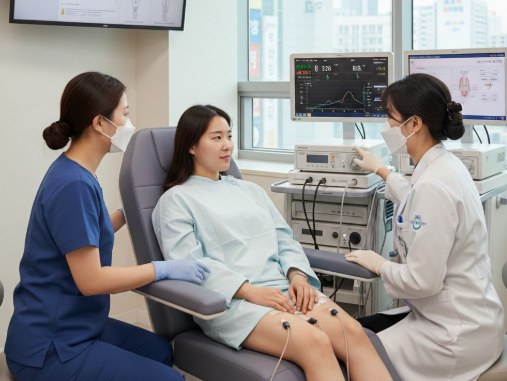
Treatment Overview
Urodynamic testing for female patients is a diagnostic procedure that evaluates the function of the bladder, urethra, and pelvic floor muscles. It helps identify the causes of urinary disorders such as stress urinary incontinence, urge incontinence, overactive bladder, or pelvic organ prolapse-related dysfunction. In Korea, advanced urology and urogynecology centers offer state-of-the-art urodynamic testing using high-resolution equipment and specialized female urology specialists. This ensures accurate diagnosis and personalized treatment planning for both domestic and international patients.
Purpose & Benefits
The primary purposes of urodynamic testing for female patients include:
- Measuring bladder pressure, capacity, and compliance.
- Assessing urethral sphincter function and coordination with bladder contractions.
- Detecting involuntary contractions, obstruction, or pelvic floor dysfunction.
- Guiding individualized treatment decisions such as pelvic floor therapy, medications, or surgical interventions.
Key benefits include:
- Accurate, objective diagnosis rather than relying solely on symptoms.
- Early detection of urinary disorders to prevent complications.
- Personalized treatment plans for improved quality of life.
- Minimally invasive testing with minimal discomfort and quick recovery.
Ideal Candidates
Urodynamic testing is recommended for female patients who:
- Experience urinary incontinence, urgency, or frequent urination.
- Have symptoms related to overactive bladder or pelvic organ prolapse.
- Do not respond adequately to behavioral therapy or medications.
- Require pre- or post-operative assessment for urogynecological surgery.
- Have complex urinary symptoms or recurrent urinary tract infections.
Korean specialists carefully evaluate each patient’s medical history and symptoms to determine the suitability of urodynamic testing.
Possible Risks & Complications
Although urodynamic testing is generally safe, potential risks for female patients include:
- Mild discomfort or burning sensation during catheter insertion.
- Temporary urinary tract infection, usually treated with antibiotics.
- Minor bleeding during or after catheter placement.
- Rare allergic reactions to contrast agents if used.
Strict sterilization and monitoring protocols in Korean hospitals minimize these risks.
Techniques & Technology Used
Advanced technology in Korean urology centers ensures safe and accurate testing for female patients:
- Cystometry: Measures bladder pressure and capacity during filling.
- Pressure-Flow Studies: Evaluates bladder contractility and urethral resistance.
- Uroflowmetry: Assesses urine flow rate and voiding patterns.
- Electromyography (EMG): Monitors pelvic floor and sphincter muscle activity.
- Video Urodynamics: Combines imaging and pressure measurements for precise assessment.
- High-Resolution Catheters and Sensors: Provide accurate readings with minimal discomfort.
These tools allow specialists to diagnose female-specific urinary disorders such as stress incontinence, overactive bladder, or prolapse-related bladder dysfunction.
Treatment Process in Korea
The urodynamic testing process for female patients typically includes:
- Pre-test Assessment: Review of medical history, physical examination, and urine tests.
- Preparation: Instructions on fluid intake and emptying the bladder before the test.
- Testing Procedure: Catheters and sensors are inserted into the bladder and urethra. The bladder is gradually filled with sterile fluid while pressures, flow, and muscle activity are measured.
- Post-test Monitoring: Catheters are removed, and patients are observed briefly to ensure no complications.
International patients receive assistance with translation, appointment coordination, and post-procedure guidance.
Recovery & After-Care
Recovery from urodynamic testing is generally quick:
- Drink plenty of fluids to flush the urinary tract.
- Monitor for temporary discomfort, mild bleeding, or burning during urination.
- Report persistent symptoms, fever, or unusual signs to the urologist.
- Resume normal activities unless advised otherwise.
- Follow up with the urologist to review results and discuss treatment plans.
Results & Longevity
Urodynamic testing provides detailed, objective information about bladder and urethral function, enabling:
- Accurate diagnosis of urinary disorders in female patients.
- Development of personalized treatment strategies for long-term symptom relief.
- Monitoring of treatment effectiveness over time and adjustment of therapy as needed.
Why Korea Is a Top Destination
Korea is a preferred destination for female urodynamic testing due to:
- Advanced Technology: High-resolution urodynamic systems, video urodynamics, and EMG monitoring.
- Expert Specialists: Board-certified urologists and urogynecologists experienced in female urinary disorders.
- Medical Tourism Support: Interpreter services, patient coordinators, and streamlined scheduling for international patients.
- High Safety Standards: Strict sterilization and monitoring protocols ensure patient safety.
- Efficient Healthcare System: Short waiting times and organized procedures for a smooth patient experience.
Cost Range
Costs for urodynamic testing for female patients in Korea vary depending on complexity:
- Standard urodynamic test: $300 – $600 USD
- Comprehensive testing with video or pressure-flow studies: $600 – $1,200 USD
International patient packages may include hospital coordination, translation, accommodation, and follow-up consultations.
Popular Clinics in Korea
Top hospitals providing urodynamic testing for female patients include:
- Severance Hospital, Seoul
- Asan Medical Center, Seoul
- Samsung Medical Center, Seoul
- Bundang CHA Hospital, Seongnam
- Hanyang University Hospital, Seoul
These hospitals offer advanced diagnostic services, expert care, and comprehensive support for international patients.


