
Treatment Overview
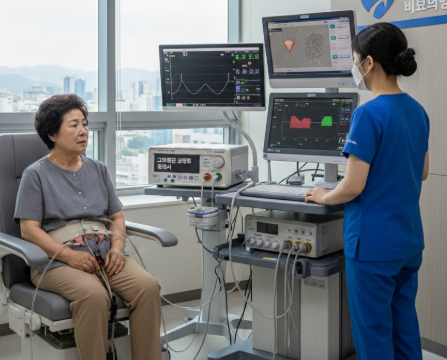
Urodynamic testing for high-risk patients in Korea is a specialized diagnostic procedure designed to evaluate bladder and urinary tract function in individuals who have an increased likelihood of complications or complex urinary disorders. High-risk patients may include those with neurological conditions, previous urological surgeries, recurrent urinary tract infections, or chronic illnesses affecting bladder function. Korean urology centers use advanced technology and experienced specialists to provide precise testing, ensuring accurate diagnosis and safe management for both domestic and international patients.
Purpose & Benefits
The primary purposes of urodynamic testing for high-risk patients include:
- Evaluating bladder and sphincter function in patients with complex medical histories.
- Detecting functional abnormalities that may not be apparent through routine tests.
- Guiding personalized treatment plans to prevent complications.
- Monitoring patients with chronic or progressive urinary disorders.
Benefits include:
- Early identification of high-risk conditions such as neurogenic bladder, obstruction, or impaired bladder compliance.
- Reduced risk of urinary tract infections, kidney damage, and bladder deterioration.
- Optimized treatment strategies based on accurate functional assessment.
- Enhanced safety and comfort due to advanced technology and specialist care.
Ideal Candidates
High-risk patients who may benefit from urodynamic testing include those who:
- Have neurological disorders affecting bladder function (e.g., spinal cord injury, multiple sclerosis, Parkinson’s disease).
- Have undergone previous urological or pelvic surgeries.
- Experience recurrent urinary tract infections or bladder stones.
- Have chronic conditions such as diabetes, which may affect bladder control.
- Require preoperative evaluation or ongoing monitoring of bladder health.
- Are international patients seeking advanced diagnostics in a safe and efficient environment.
Possible Risks & Complications
While urodynamic testing is generally safe, high-risk patients may experience:
- Mild discomfort or burning during catheter insertion.
- Temporary hematuria (blood in urine) or minor urinary bleeding.
- Rare urinary tract infection, treatable with antibiotics.
- Allergic reaction if contrast agents are used.
Korean hospitals follow strict sterilization protocols, continuous monitoring, and specialized care for high-risk patients to minimize these risks.
Techniques & Technology Used
Advanced urodynamic techniques used in Korea for high-risk patients include:
- High-Resolution Cystometry: Measures bladder pressure, compliance, and capacity with precision.
- Pressure-Flow Studies: Evaluates bladder contractility and urethral resistance during voiding.
- Electromyography (EMG): Records pelvic floor and sphincter muscle activity.
- Video Urodynamics: Combines imaging with pressure measurements for detailed visualization.
- Ambulatory Urodynamics: Allows continuous monitoring during daily activities for accurate assessment.
- Wireless Catheter Technology: Minimizes discomfort while improving measurement accuracy.
These advanced techniques allow urologists to safely and accurately assess high-risk patients and develop individualized management plans.
Treatment Process in Korea
The treatment process typically includes:
- Initial Consultation: Review of medical history, previous tests, and high-risk factors.
- Preparation: Guidance on hydration, bladder management, and pre-test instructions.
- Testing Procedure: Placement of high-resolution catheters and sensors to measure bladder function during filling, voiding, and rest.
- Monitoring: Continuous observation to manage potential complications during testing.
- Results Interpretation & Follow-Up: Detailed analysis by urologists, with a personalized plan for treatment, monitoring, or surgical intervention if necessary.
Recovery & After-Care
Recovery for high-risk patients is generally quick, with specific considerations:
- Drink plenty of fluids to help flush the urinary tract.
- Monitor for mild discomfort, temporary hematuria, or signs of infection.
- Follow-up appointments for reviewing results and updating treatment plans.
- For patients with neurological or chronic conditions, additional guidance and monitoring may be provided to ensure safety.
Results & Longevity
Urodynamic testing provides precise insights into bladder and urinary tract function, allowing:
- Accurate diagnosis of complex or high-risk urinary disorders.
- Personalized treatment plans for long-term management and prevention of complications.
- Monitoring and assessment of ongoing bladder function for patients with chronic conditions.
- Improved quality of life through effective management of urinary symptoms.
Why Korea Is a Top Destination
Korea is a leading destination for high-risk urodynamic testing due to:
- Advanced Technology: High-resolution, video, and ambulatory urodynamics ensure accurate and safe testing.
- Expert Specialists: Board-certified urologists experienced in managing complex and high-risk cases.
- International Patient Support: Language assistance, appointment coordination, and post-test follow-up services.
- High Safety Standards: Rigorous sterilization, monitoring, and emergency protocols to protect high-risk patients.
- Efficient Healthcare System: Short waiting times and comprehensive care packages for international patients.
Cost Range
Costs vary based on complexity and hospital services:
- Standard high-risk urodynamic testing: $600 – $1,000 USD
- Advanced video or ambulatory urodynamics: $900 – $1,600 USD
- International patient packages (including consultation, translation, and follow-up): $1,200 – $2,200 USD
Popular Clinics in Korea
Top hospitals providing urodynamic testing for high-risk patients include:
- Severance Hospital, Seoul
- Asan Medical Center, Seoul
- Samsung Medical Center, Seoul
- Bundang CHA Hospital, Seongnam
- Hanyang University Hospital, Seoul
These institutions provide advanced diagnostics, personalized care, and comprehensive support for high-risk and international patients.


