
Treatment Overview
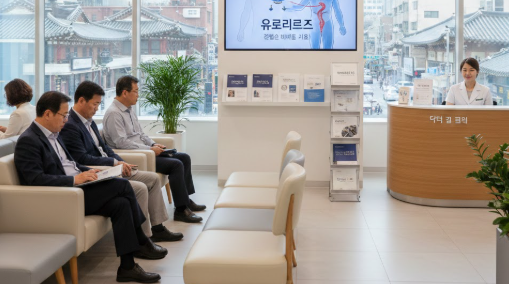
UroLift is a minimally invasive procedure designed to treat Benign Prostatic Hyperplasia (BPH) by lifting and holding enlarged prostate tissue away from the urethra. This approach restores urinary flow without cutting, heating, or removing prostate tissue. In Korea, UroLift is performed at advanced urology centers with experienced surgeons, offering an effective outpatient solution for men seeking rapid symptom relief with minimal downtime.
Purpose & Benefits
The main purpose of UroLift is to relieve urinary obstruction and improve quality of life for men with BPH. Key benefits include:
- Minimally invasive procedure with no tissue removal or cutting
- Immediate improvement in urinary symptoms
- Quick recovery and short hospital stay (usually outpatient)
- Preservation of sexual and ejaculatory function
- Reduced risk of bleeding compared to traditional surgery
- Suitable for patients with moderate BPH symptoms or those not suitable for invasive surgery
Ideal Candidates
Ideal candidates for UroLift include:
- Men with mild to moderate BPH symptoms
- Patients seeking a minimally invasive alternative to TURP or laser procedures
- Individuals with prostate size generally less than 100cc
- Patients who want rapid recovery and preservation of sexual function
- Men with no significant median lobe obstruction or other anatomical limitations
Possible Risks & Complications
Although UroLift is generally safe, potential risks may include:
- Temporary urinary urgency or frequency
- Mild hematuria (blood in urine) for a few days
- Discomfort or burning during urination
- Urinary tract infection
- Rare implant migration or need for retreatment
- Temporary urinary retention requiring catheterization in some patients
Techniques & Technology Used
UroLift involves precise placement of permanent implants to lift obstructive prostate tissue:
- Use of a specially designed delivery system through the urethra
- Deployment of small implants to hold prostate lobes apart and open the urethra
- Real-time cystoscopic visualization ensures accurate placement
- Implants remain in place permanently, providing durable relief
Treatment Process in Korea
The typical UroLift process includes:
- Initial Consultation: Assessment of urinary symptoms, prostate size, and medical history
- Diagnostic Testing: Blood tests, urinalysis, PSA testing, and imaging as needed
- Procedure Preparation: Local or general anesthesia depending on patient preference
- UroLift Procedure: Placement of implants under cystoscopic guidance, usually completed in less than an hour
- Post-Procedure Monitoring: Short recovery period; most patients discharged the same day
Recovery & After-Care
Recovery after UroLift is generally rapid and comfortable:
- Mild urinary discomfort or urgency may occur for a few days
- Normal activities can often be resumed within 24–48 hours
- Temporary catheterization may be required for some patients
- Adequate hydration recommended to support urinary healing
- Follow-up visits monitor urinary improvement and implant position
Results & Longevity
UroLift provides effective and durable relief for BPH symptoms:
- Significant improvement in urinary flow and reduction of nocturia
- Preservation of sexual function and low risk of erectile or ejaculatory complications
- Many patients report symptom relief within days
- Long-term studies show sustained improvement for 5+ years
- Some patients may require additional procedures if BPH progresses
Why Korea Is a Top Destination
Korea is a preferred destination for UroLift due to:
- Advanced urology centers with skilled surgeons experienced in minimally invasive BPH therapies
- Access to the latest UroLift technology and implants
- Affordable treatment costs compared to Western countries
- Comprehensive international patient support including consultation, translation, travel, and post-procedure care
- High standards of safety, hygiene, and patient care
Cost Range
The cost of UroLift in Korea typically ranges from $6,000 to $10,000, depending on:
- Number of implants required and prostate anatomy
- Clinic and surgeon experience
- Inclusion of pre-procedure diagnostics, anesthesia, and follow-up care
Popular Clinics in Korea
Some of the top clinics offering UroLift in Korea include:
- Seoul Urology & Andrology Clinic
- JK Male Health Center, Seoul
- Korea Men’s Health Institute, Seoul
- VIP Male Clinic, Gangnam
- Dr. Kim’s Urology Clinic, Busan


