
Treatment Overview
Uterine Fibroid Pain Management in Korea focuses on relieving menstrual pain and discomfort caused by fibroids—noncancerous growths that develop in or around the uterus. These benign tumors can lead to heavy menstrual bleeding, pelvic pressure, and severe dysmenorrhea, significantly affecting women’s quality of life.
Korean gynecologists take a multidisciplinary approach to fibroid management, combining advanced diagnostic imaging, personalized hormonal therapy, and minimally invasive treatment options. The country’s medical system emphasizes early detection and tailored treatment plans, ensuring each patient receives care that balances effectiveness with comfort and safety. With cutting-edge imaging such as MRI-guided diagnosis and ultrasound-based treatment mapping, Korea is recognized as a leader in gynecologic precision medicine.
Purpose & Benefits
The goal of uterine fibroid pain management is to alleviate menstrual cramps, reduce bleeding, and improve reproductive health.
Key benefits include:
- Relief from pelvic pain and cramping caused by fibroid pressure on the uterus.
- Improved menstrual flow through fibroid size reduction or hormonal balance.
- Enhanced fertility and uterine function for women planning pregnancy.
- Minimally invasive treatment options that preserve the uterus.
- Faster recovery and reduced recurrence compared to traditional surgeries.
Korean hospitals focus on individualized treatment, ensuring every woman receives therapy suited to her fibroid size, symptoms, and reproductive goals.
Ideal Candidates
This treatment is ideal for women who:
- Experience painful periods due to uterine fibroids.
- Have heavy menstrual bleeding or prolonged periods.
- Suffer from pelvic pressure, bloating, or back pain related to fibroid growth.
- Wish to avoid hysterectomy and preserve fertility.
- Seek non-surgical or minimally invasive pain management solutions.
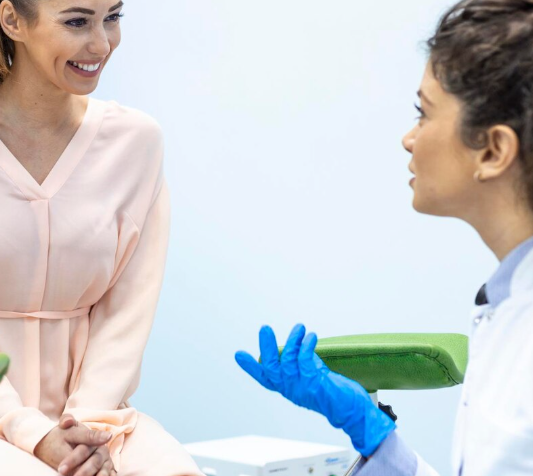
Korean clinics assess each patient’s hormonal profile, fibroid size, and location using transvaginal ultrasound or MRI before designing a personalized management plan.
Possible Risks & Complications
Although fibroid pain management treatments in Korea are generally safe, some potential risks may include:
- Mild cramping or spotting after therapy.
- Temporary hormonal fluctuations during medication.
- Rare allergic reactions to medications or anesthesia.
- Possible recurrence of fibroids if not completely removed.
Korean hospitals maintain rigorous follow-up care, with regular imaging and hormonal assessments to ensure optimal results and minimize complications.
Techniques Used
Korea offers some of the most advanced and diverse techniques for managing uterine fibroid pain, combining traditional medical therapies with high-tech interventions:
- Medication Management: Nonsteroidal anti-inflammatory drugs (NSAIDs), progesterone therapy, and gonadotropin-releasing hormone (GnRH) agonists are used to reduce pain and shrink fibroids.
- Hormonal IUD (Levonorgestrel-Releasing IUS): Helps control heavy bleeding and pain while preserving fertility.
- Uterine Artery Embolization (UAE): A minimally invasive procedure that blocks blood flow to fibroids, causing them to shrink.
- Focused Ultrasound Surgery (FUS): A non-surgical, MRI-guided procedure that destroys fibroids using targeted ultrasound waves—one of the latest Korean innovations.
- Laparoscopic or Robotic Myomectomy: Removal of fibroids through tiny incisions using precision robotic tools.
Korea’s use of robot-assisted laparoscopic technology and MRI-based fibroid mapping ensures maximum safety, accuracy, and cosmetic satisfaction.
Recovery & Aftercare
Recovery varies based on the chosen method. Non-surgical treatments typically allow patients to return to normal activities within a few days, while minimally invasive surgeries may require 1–2 weeks.
Aftercare includes:
- Regular follow-up visits and imaging every 3–6 months.
- Hormonal monitoring to prevent recurrence.
- Balanced nutrition and iron supplements to recover from anemia caused by heavy bleeding.
- Stress management and light physical activity to support hormonal health.
Korean clinics often integrate holistic wellness programs, including dietary counseling and herbal support, to enhance recovery and long-term uterine health.
Results & Longevity
Most women experience significant pain reduction and lighter periods within one to two menstrual cycles following treatment. Depending on the therapy, results can last for several years, with fibroid recurrence rates being very low in Korea due to advanced precision treatments.
MRI-guided FUS and uterine artery embolization, in particular, have a success rate of 85–95% for long-term pain relief and fibroid shrinkage, according to clinical studies conducted in Korean hospitals.
Treatment Process in Korea
The treatment process for uterine fibroid pain management in Korea follows a structured, patient-centered approach:
- Comprehensive Consultation: Detailed evaluation of symptoms and menstrual history.
- Advanced Diagnostic Testing: Ultrasound, MRI, and hormonal profiling.
- Personalized Treatment Plan: Selection of the most effective therapy based on fibroid size, location, and fertility goals.
- Procedure or Medication Phase: Implementation of non-surgical, minimally invasive, or hormonal management options.
- Follow-Up and Monitoring: Regular check-ups and imaging to track fibroid response and prevent recurrence.
Korea’s medical system integrates AI-based imaging interpretation and robotic surgical systems, offering precision care rarely matched elsewhere.
Why Korea Is a Top Destination for Uterine Fibroid Treatment
Korea’s reputation in women’s health care stems from:
- Advanced robotic and MRI-guided technologies for fibroid removal.
- Highly skilled OBGYN specialists trained in minimally invasive gynecologic surgery.
- Multilingual medical support for international patients.
- Integration of Western medicine with traditional Korean holistic therapies.
- Affordable, transparent pricing and high patient satisfaction rates.
Women from across Asia, the Middle East, and North America travel to Korea for world-class fibroid management due to its balance of innovation, safety, and personalized care.
Cost Range
The cost of uterine fibroid pain management in Korea varies depending on the method used:
- Medication-based therapy: ₩100,000 – ₩300,000 KRW ($75 – $230 USD) per month.
- Uterine Artery Embolization: ₩3,000,000 – ₩6,000,000 KRW ($2,200 – $4,500 USD).
- MRI-guided Focused Ultrasound Surgery (FUS): ₩5,000,000 – ₩8,000,000 KRW ($3,800 – $6,000 USD).
- Laparoscopic or robotic myomectomy: ₩6,000,000 – ₩10,000,000 KRW ($4,500 – $7,500 USD).
Korea’s cost-effectiveness and hospital excellence make it one of the most sought-after destinations for uterine fibroid and menstrual pain treatment.
Popular Clinics
- Seoul National University Hospital (SNUH)
- Asan Medical Center, Seoul
- Samsung Medical Center (SMC)
- CHA Bundang Women’s Hospital
- Ewha Womans University Mokdong Hospital
- MizMedi Women’s Hospital
- Blossom Women’s Clinic, Gangnam
These hospitals and clinics are internationally recognized for providing comprehensive fibroid management, advanced imaging diagnostics, and personalized pain control programs designed to restore women’s comfort and reproductive well-being.


