
Treatment Overview
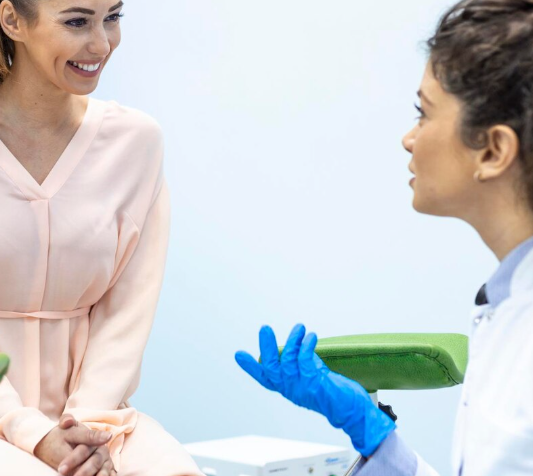
Uterine fibroid screening in Korea is an essential diagnostic service performed during annual gynecological checkups to detect and monitor fibroids — benign tumors that develop in the uterus. Fibroids can vary in size and number and may cause symptoms such as heavy menstrual bleeding, pelvic pain, and reproductive issues. Early detection is critical to manage symptoms and prevent complications.
Korean gynecology clinics employ advanced imaging techniques, including high-resolution pelvic ultrasound and MRI, for precise fibroid detection and assessment. The integration of cutting-edge technology with expert clinical care makes Korea a preferred destination for fibroid screening and women’s health evaluations.
Purpose & Benefits
The purpose of uterine fibroid screening is to detect fibroids early and assess their size, location, and potential impact on health and fertility.
Key benefits include:
- Early detection of fibroids to prevent complications such as infertility or heavy bleeding
- Accurate assessment of fibroid size and location for treatment planning
- Monitoring of fibroid growth over time
- Prevention of unnecessary invasive treatments through precise diagnostics
- Integration with comprehensive annual gynecology checkups for full reproductive health care
Ideal Candidates
Uterine fibroid screening is recommended for:
- Women experiencing heavy menstrual bleeding, pelvic pressure, or pelvic pain
- Women with enlarged uterus or pelvic mass detected during routine examination
- Women with infertility or recurrent pregnancy loss
- Patients with a family history of fibroids
- Women undergoing routine annual gynecology checkups for preventive care
Possible Risks & Complications
Uterine fibroid screening is generally safe with minimal risks, including:
- Slight discomfort during transvaginal ultrasound
- Mild pelvic pressure during examination
- Rare instances of inconclusive results requiring additional testing
Korean clinics minimize risks by using non-invasive and highly accurate diagnostic tools.
Surgical Techniques Used
Fibroid screening is a non-surgical diagnostic procedure, but in Korea, it often includes advanced imaging methods:
- Transvaginal Pelvic Ultrasound: High-resolution imaging for detecting fibroids and assessing their characteristics.
- Transabdominal Ultrasound: Provides a broader view of the uterus and surrounding organs.
- 3D Ultrasound Imaging: Gives volumetric data for more precise fibroid assessment.
- Pelvic MRI (when needed): Detailed imaging for complex fibroid cases.
These advanced methods make Korea a leader in uterine fibroid detection and monitoring.
Recovery & Aftercare
Fibroid screening requires no recovery time. Aftercare recommendations include:
- Reviewing results with a gynecologist
- Scheduling follow-up screenings if fibroids are detected
- Lifestyle adjustments or medication as advised
- Regular annual screenings to monitor changes
Results & Longevity
Results from fibroid screening are typically available immediately or within a few days, depending on the clinic and imaging method.
Screening results provide a baseline for monitoring fibroid growth and planning treatment if necessary. Routine fibroid screening, especially for women with symptoms or risk factors, is advised annually.
Treatment Process in Korea
Korea offers a precise and efficient uterine fibroid screening process:
- Initial Consultation – Review of symptoms, menstrual history, and gynecological history.
- Pelvic Ultrasound Scan – Transvaginal or transabdominal ultrasound performed in a comfortable setting.
- Advanced Imaging (if needed) – 3D ultrasound or MRI for detailed fibroid assessment.
- Results Review – Explanation of findings and recommendations.
- Follow-Up Planning – Scheduling of regular monitoring or treatment if fibroids are detected.
Unique Korean strengths:
- Use of high-resolution, AI-assisted ultrasound technology
- Integration of fibroid screening with comprehensive annual gynecological checkups
- Rapid turnaround of results and seamless access to expert care
- Multilingual support for international patients seeking preventive care
Cost Range
Uterine fibroid screening costs in Korea depend on the diagnostic methods used:
- Basic transvaginal pelvic ultrasound: KRW 100,000 – 200,000 (USD 75 – 150)
- Advanced 3D ultrasound: KRW 200,000 – 400,000 (USD 150 – 300)
- Pelvic MRI (if needed): KRW 600,000 – 1,200,000 (USD 450 – 900)
- Comprehensive women’s health package including fibroid screening: KRW 500,000 – 1,200,000 (USD 370 – 900)
Many Korean clinics offer bundled annual gynecology checkup packages that include uterine fibroid screening for better efficiency and cost-effectiveness.
Popular Clinics
- Samsung Medical Center, Seoul – Cutting-edge fibroid screening with advanced ultrasound and MRI.
- Asan Medical Center, Seoul – Comprehensive gynecological care including fibroid detection and management.
- Severance Hospital (Yonsei University), Seoul – Specialized in women’s health screening with high-resolution imaging.
- CHA Medical Center, Seoul – Expert fibroid evaluation as part of holistic women’s health care.
- Gangnam Severance Health Check-Up Center – Premium uterine fibroid screening packages for local and international patients.


