
Treatment Overview
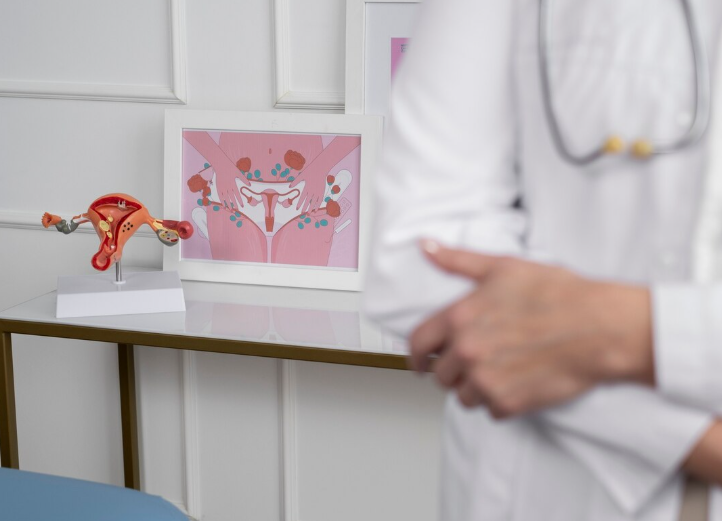
The Uterine-Sparing Cervical Lesion Surgery in Korea is an advanced gynecologic surgical procedure designed to remove abnormal cervical tissue while preserving the uterus and maintaining reproductive potential. This approach is particularly beneficial for women diagnosed with high-grade cervical dysplasia (CIN 2–3) or early cervical cancer who wish to retain fertility.
Korea is renowned for its expertise in fertility-preserving gynecologic surgery, combining high-definition colposcopy, precision-guided excision, and uterine-sparing techniques. This ensures safe and effective lesion removal while maintaining uterine and cervical structural integrity.
Purpose & Benefits
Purpose:
- Remove abnormal cervical tissue without compromising the uterus
- Treat high-grade cervical lesions or early cervical cancer
- Preserve fertility and reproductive health
- Minimize complications and maintain cervical support
Benefits:
- Fertility preservation with uterine integrity maintained
- Minimally invasive procedure with high precision
- Reduced bleeding and scarring
- Faster recovery with less pain
- Preservation of pelvic floor health
- Lower recurrence risk through precise excision
- Improved psychological outcomes due to uterus preservation
Ideal Candidates
Uterine-sparing cervical lesion surgery is ideal for women who:
- Are diagnosed with CIN 2–3 or early-stage cervical cancer
- Wish to maintain fertility or preserve their uterus
- Prefer minimally invasive surgical techniques
- Desire optimal recovery with minimal scarring
- Seek long-term preservation of reproductive and pelvic health
Preoperative evaluation in Korea includes Pap smear, colposcopy, HPV testing, cervical mapping, and MRI imaging to ensure surgical accuracy and safety.
Possible Risks & Complications
While highly safe, possible risks include:
- Light spotting or bleeding
- Mild pelvic discomfort or cramping
- Rare infection
- Cervical stenosis (narrowing of the cervical canal)
- Rare recurrence of abnormal tissue
Korea’s advanced diagnostic tools and surgical expertise significantly reduce these risks.
Surgical Techniques Used
Korean surgeons use advanced uterine-sparing surgical methods, such as:
- High-Definition Colposcopy: Magnifies the cervix for precise lesion identification.
- Precision Cone Biopsy or LEEP: Removes abnormal tissue while preserving healthy cervical tissue.
- Uterine-Sparing Microsurgery: Protects uterine and cervical structure.
- Energy-Controlled Electrosurgical Tools: Minimize tissue trauma and thermal injury.
- Intraoperative Pathology: Ensures complete lesion removal during surgery.
These techniques ensure effective treatment while safeguarding fertility and uterine function.
Recovery & Aftercare
Recovery is typically swift, with most patients returning to normal activities within 1–2 weeks and full healing within 4–6 weeks.
Aftercare includes:
- Avoiding sexual intercourse, tampon use, and heavy lifting for several weeks
- Monitoring for light bleeding or discharge
- Attending follow-up colposcopy and Pap smear appointments
- Taking prescribed medications to prevent infection and support healing
- Pelvic floor health guidance if advised
Korean hospitals provide personalized recovery programs that support both physical healing and emotional well-being.
Results & Longevity
Uterine-sparing cervical lesion surgery offers:
- Effective removal of abnormal cervical tissue
- Preservation of the uterus and fertility
- Minimal postoperative discomfort
- Reduced recovery time
- Lower recurrence rates with precise surgical technique
- Long-term reproductive and pelvic health benefits
Korea’s reputation for precision gynecologic surgery ensures durable and high-quality outcomes.
Treatment Process in Korea
- Comprehensive Diagnostic Evaluation: Pap smear, HPV testing, colposcopy, and MRI.
- Surgical Planning: Customized uterine-sparing approach based on lesion size and location.
- Uterine-Sparing Surgery: High-definition, minimally invasive lesion excision.
- Postoperative Care: Pain management, wound care, and follow-up appointments.
- Long-Term Monitoring: Routine Pap smear and colposcopy for ongoing cervical health.
Korean hospitals offer full-service packages for international patients, including translation, accommodation, transport, and aftercare support.
Cost Range
The Uterine-Sparing Cervical Lesion Surgery in Korea generally ranges from USD 7,000 to 13,000, depending on:
- Complexity and size of the lesion
- Imaging and surgical technology used
- Hospital and surgeon expertise
- Inclusion of pathology, anesthesia, and recovery services
Many Korean hospitals provide transparent all-inclusive packages to ensure no hidden costs.
Popular Clinics
- Samsung Medical Center (Seoul): Specializes in uterine-sparing gynecologic surgery with advanced imaging and precision techniques.
- Asan Medical Center (Seoul): Offers cutting-edge fertility-preserving cervical lesion surgeries.
- Severance Hospital (Yonsei University, Seoul): Known for high-precision minimally invasive uterine-sparing surgery.
- CHA Gangnam Medical Center: Expert in innovative uterine-preserving gynecologic procedures.
- Ewha Womans University Medical Center: Provides tailored uterine-sparing cervical lesion surgeries with integrated recovery programs.


