
Treatment Overview
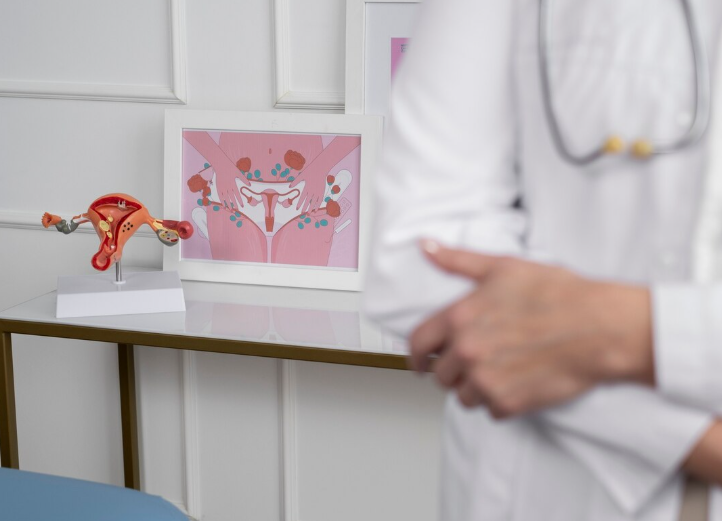
The Uterine-Sparing Partial Hysterectomy (USPH) in Korea is an advanced gynecologic surgical procedure designed to remove only part of the uterus while preserving key structures. This approach allows women to treat uterine conditions while maintaining uterine function for hormonal balance, pelvic stability, and, in certain cases, fertility.
Korea is a world leader in uterus-sparing surgical techniques, combining high-definition laparoscopy, robotic assistance, and precision tissue preservation methods to deliver highly effective and safe outcomes. These innovations make Korea a top choice for women seeking partial hysterectomy with maximal uterine preservation.
Purpose & Benefits
Purpose:
- Treat benign or selected malignant uterine conditions while preserving part of the uterus
- Maintain pelvic anatomy and hormonal function
- Reduce surgical trauma and recovery time
Benefits:
- Preserves uterine structure for improved pelvic function
- Minimizes hormonal disruption and maintains natural hormonal balance
- Reduced blood loss and postoperative pain
- Shorter hospital stays and quicker recovery
- Lower risk of pelvic floor dysfunction
- Enhanced quality of life and satisfaction due to uterine preservation
Ideal Candidates
USPH is suitable for women who:
- Have benign uterine conditions such as fibroids, adenomyosis, or localized tumors
- Desire to preserve part of the uterus for hormonal or pelvic reasons
- Wish to maintain pelvic stability and reduce risk of long-term dysfunction
- Are in good overall health and suitable for laparoscopic or robotic surgery
- Have no extensive adhesions or contraindications to uterus-sparing surgery
Korean specialists perform advanced preoperative assessments to ensure suitability, including pelvic imaging, fertility considerations, and overall health evaluation.
Possible Risks & Complications
While USPH is generally safe, potential risks include:
- Minor bleeding or infection
- Injury to surrounding organs (bladder, bowel, ureters)
- Anesthesia-related complications
- Temporary urinary or bowel dysfunction
- Rare adhesions or recurrence of uterine disease in preserved tissue
Korea’s advanced surgical technology and meticulous techniques reduce these risks significantly.
Surgical Techniques Used
Korean surgeons employ several advanced approaches for USPH:
- Robotic-Assisted Partial Hysterectomy: Combines robotic precision with high-definition imaging for optimal uterine preservation.
- Laparoscopic Partial Hysterectomy: Minimally invasive with small incisions and rapid recovery.
- Fluorescence-Guided Surgery: Helps identify healthy tissue to preserve while removing affected portions.
- Energy-Sealing and Ultrasonic Devices: Ensure precise dissection with minimal bleeding.
- Pelvic Floor Preservation Techniques: Maintain uterine support structures to reduce risk of prolapse.
These methods position Korea as a global leader in uterus-sparing surgery.
Recovery & Aftercare
Recovery from USPH is generally smoother compared to full hysterectomy due to smaller incisions and preserved anatomy. Most patients are discharged within 1–2 days and return to light activity within a week.
Postoperative care includes:
- Pain management and wound care
- Avoiding heavy lifting or strenuous activity for 4–6 weeks
- Routine follow-up examinations
- Pelvic floor rehabilitation if needed
- Lifestyle and dietary guidance for optimal healing
Korean hospitals often provide individualized recovery plans with physiotherapy and nutritional support to enhance results.
Results & Longevity
USPH offers significant long-term benefits:
- Effective treatment of uterine conditions
- Preservation of pelvic structure and function
- Maintenance of hormonal balance
- Reduced risk of pelvic floor dysfunction
- Minimal scarring and faster recovery
- High patient satisfaction due to uterine preservation
Korean surgeons focus on delivering durable results while ensuring optimal patient wellbeing.
Treatment Process in Korea
Korea’s USPH programs follow a patient-focused approach:
- Comprehensive Preoperative Assessment: Includes pelvic imaging, blood work, and consultation.
- Customized Surgical Plan: Based on patient’s condition, anatomy, and goals for uterine preservation.
- Partial Hysterectomy Procedure: Performed using robotic or laparoscopic techniques with high-definition visualization.
- Postoperative Recovery: Tailored physiotherapy, pelvic floor exercises, and follow-up care.
Korea offers world-class hospitals with advanced technology, personalized care, multilingual support, and internationally accredited services.
Cost Range
The cost of a Uterine-Sparing Partial Hysterectomy in Korea generally ranges between USD 8,000 and 15,000, depending on:
- Complexity of the procedure
- Hospital and surgeon reputation
- Use of robotic or advanced laparoscopic technology
- Extent of recovery and rehabilitation programs
This usually includes preoperative evaluations, surgery, anesthesia, hospitalization, and follow-up care.
Popular Clinics
- Samsung Medical Center (Seoul): Advanced robotic and laparoscopic uterus-sparing surgery programs.
- Asan Medical Center (Seoul): Offers tailored uterine-sparing partial hysterectomy with comprehensive recovery plans.
- Severance Hospital (Yonsei University Health System, Seoul): Leader in minimally invasive partial hysterectomy with patient-centered care.
- CHA Gangnam Medical Center: Specializes in advanced minimally invasive gynecologic surgery.
- Ewha Womans University Medical Center: Renowned for holistic women’s health programs including uterus-sparing surgery.


