
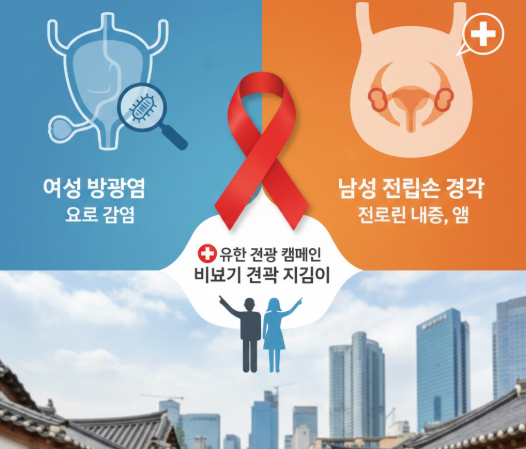
Treatment Overview
Urinary tract infections (UTIs) in men are often linked to prostate health. Conditions like prostatitis (inflammation of the prostate) or benign prostatic hyperplasia (BPH) can increase the risk of recurrent UTIs. In Korea, specialized urology clinics offer comprehensive evaluation and treatment that addresses both UTI and prostate health.
Korean hospitals integrate advanced diagnostic tools, personalized treatment plans, and minimally invasive interventions. Their approach not only treats the infection but also targets underlying prostate conditions, improving overall urinary health and preventing recurrence.
Purpose & Benefits
The main goals of managing UTI in relation to prostate health are:
- Identifying the underlying cause of recurrent infections
- Treating both UTI and prostate-related issues simultaneously
- Preventing chronic complications such as kidney damage
- Improving urinary flow and prostate function
Benefits include:
- Reduction in UTI recurrence rates
- Relief from urinary symptoms like burning, urgency, or weak flow
- Early detection and management of prostate enlargement or inflammation
- Long-term urinary tract health improvement
- Personalized treatment plans including medications, lifestyle modifications, and minimally invasive procedures
Ideal Candidates
Men who should seek evaluation and treatment in Korea include:
- Those with recurrent UTIs
- Men over 50 with lower urinary tract symptoms
- Patients experiencing frequent urination, weak stream, or nocturia
- Individuals with diagnosed or suspected prostate enlargement
- Men with chronic prostatitis or previous prostate infections
- Patients with antibiotic-resistant infections
- Those seeking preventive care for long-term prostate and urinary health
Possible Risks & Complications
UTIs associated with prostate issues can lead to serious complications if left untreated:
- Chronic prostatitis and inflammation
- Acute kidney infection (pyelonephritis)
- Sepsis or systemic infection in severe cases
- Urinary retention or obstruction
- Chronic urinary discomfort and recurrent infections
- Reduced quality of life due to persistent urinary symptoms
Korean urology clinics mitigate these risks through precise diagnosis, targeted antibiotic therapy, and prostate-focused interventions.
Techniques & Technology Used
Korean hospitals employ advanced diagnostic and therapeutic techniques to manage UTIs and prostate health:
Diagnostic Tools:
- Urinalysis and urine culture for bacterial identification
- PCR testing for rapid detection of pathogens
- Blood tests to assess kidney function and infection markers
- Digital rectal examination (DRE) for prostate assessment
- Prostate ultrasound or MRI for structural evaluation
- Cystoscopy for chronic urinary tract assessment
- Urodynamic studies to evaluate bladder function
Treatment Approaches:
- Targeted antibiotic therapy based on culture results
- Anti-inflammatory medications for prostatitis
- Alpha-blockers or medications to improve urinary flow in BPH
- Minimally invasive procedures such as TURP (transurethral resection of the prostate) if necessary
- Lifestyle counseling including hydration, diet, and pelvic floor exercises
- Prostate-focused preventive measures to reduce recurrence of UTI
Treatment Process in Korea
The process for managing UTI in relation to prostate health in Korea is structured and patient-friendly:
- Initial Consultation & Symptom Review – Urologist evaluates urinary symptoms, infection history, and prostate health.
- Diagnostic Testing – Includes urinalysis, urine culture, PCR, prostate imaging, and blood tests.
- Integrated Treatment Plan – Combines UTI treatment with prostate care, tailored to patient needs.
- Medication & Procedural Intervention – Targeted antibiotics, anti-inflammatory medications, or minimally invasive prostate procedures as needed.
- Follow-Up Monitoring – Regular urine tests, imaging, and symptom evaluation to ensure infection is cleared and prostate function is optimized.
- Preventive Guidance – Lifestyle, diet, and hygiene advice to prevent recurrent infections and maintain prostate health.
Recovery & After-Care
Recovery depends on infection severity and any procedures performed.
After-care measures include:
- Completing prescribed antibiotics and medications
- Maintaining hydration and urinary hygiene
- Following dietary recommendations to reduce irritation
- Engaging in pelvic floor exercises if recommended
- Attending scheduled follow-up tests and imaging
- Monitoring for recurrence of urinary symptoms
Most patients experience significant relief within 1–2 weeks of treatment, with full recovery depending on prostate condition management.
Results & Longevity
With proper UTI and prostate management in Korea, patients often experience:
- Long-term relief from recurrent infections
- Improved urinary flow and reduced discomfort
- Prevention of chronic prostatitis or BPH complications
- Better kidney health by preventing infection spread
- Sustained quality of life improvements with lifestyle and medical guidance
Why Korea Is a Top Destination
Korea is a leading destination for UTI and prostate health care due to:
- Highly skilled urologists and infection specialists
- Advanced diagnostic imaging and lab testing
- Comprehensive care programs addressing both infection and prostate health
- Minimally invasive procedures for faster recovery
- Affordable care and transparent pricing
- Multilingual services and international patient support
- Proven success in managing complex or recurrent urinary conditions
Cost Range
Treatment costs vary depending on diagnostics, medications, and procedures:
- Consultation: $30–$70
- Urinalysis & urine culture: $20–$50
- PCR testing: $30–$90
- Blood tests: $20–$60
- Prostate ultrasound or MRI: $100–$250
- Medications (antibiotics, anti-inflammatory, alpha-blockers): $50–$150 per course
- Minimally invasive procedures (if required): $1,500–$4,000
- Hospitalization (if needed): $150–$300/day
Popular Clinics in Korea
- Seoul National University Hospital – Urology & Prostate Care
- Samsung Medical Center – Infection & Prostate Program
- Asan Medical Center – Urology & Men’s Health
- Yonsei Severance Hospital – International Urology Services
- Wooridul Urology Clinic – UTI & Prostate Management
- Bumin Hospital – Men’s Urology & Prostate Health
These clinics are internationally recognized for their expertise in both infection management and prostate care.


