
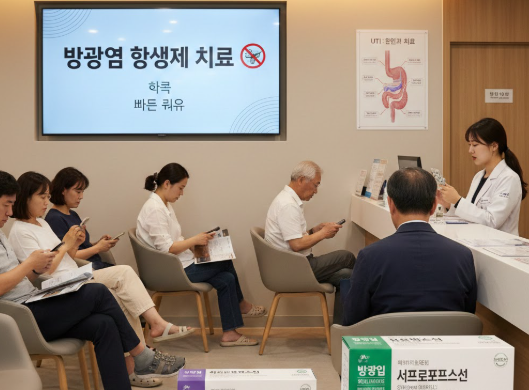
Treatment Overview
Urinary Tract Infection (UTI) is one of the most common bacterial infections affecting both women and men, but it occurs more frequently in females due to anatomical differences. In Korea, UTI antibiotic treatment follows evidence-based guidelines, rapid diagnosis, and personalized prescription approaches. Korean hospitals use advanced testing methods to identify the exact bacteria causing the infection and select antibiotics that offer the fastest and safest recovery.
UTI treatment in Korea focuses on stopping the infection quickly, preventing kidney involvement, and reducing recurrence. Medical facilities prioritize patient comfort, quick consultation systems, and international patient-friendly services, making Korea a leading destination for UTI care.
Purpose & Benefits
The primary purpose of UTI antibiotic treatment is to eliminate bacterial pathogens, relieve painful symptoms, and prevent complications such as kidney infection (pyelonephritis). Korea’s approach ensures:
- Fast symptom relief
- Targeted antibiotics based on culture test
- Reduced resistance to antibiotics
- Prevention of recurrent UTIs
- Better long-term urinary health
Benefits of seeking treatment in Korea include high diagnostic accuracy, short waiting times, and globally recognized treatment standards.
Ideal Candidates
Antibiotic treatment for UTI in Korea is ideal for:
- Women with burning urination, urgency, or frequent urination
- Patients with recurrent UTIs
- Individuals with fever, back pain, or signs of kidney infection
- Men experiencing prostatitis-related UTI symptoms
- Seniors or individuals with weak immunity
- Patients who previously received ineffective antibiotic therapy
International patients seeking trustworthy, quick, and accurate care also benefit greatly from Korea’s streamlined medical system.
Possible Risks & Complications
While UTI antibiotics in Korea are carefully selected, side effects may still occur:
- Mild gastrointestinal upset
- Allergic reactions (rare)
- Yeast infection in women
- Development of antibiotic resistance (if misused)
Untreated or poorly treated UTIs may result in serious complications such as kidney infection, sepsis, or chronic urinary problems. This is why Korea emphasizes proper diagnosis and tailored treatment rather than one-size-fits-all prescriptions.
Techniques & Technology Used
Korean hospitals use high-precision diagnostic tools to ensure the right antibiotic is chosen:
- Urine culture and sensitivity testing
- Rapid urine dipstick testing
- PCR-based pathogen detection
- Ultrasound to check kidney involvement
- CT scan if stones or complicated infections are suspected
For recurrent UTIs, doctors may also evaluate bladder function and consult with urologists specializing in female or male urinary disorders.
Treatment Process in Korea
The typical UTI antibiotic treatment process in Korea includes:
- Initial Consultation
Doctors assess symptoms, medical history, and risk factors for complicated infections. - Diagnostic Testing
Urinalysis, urine culture, and imaging (if needed) confirm the presence of bacteria and identify severity. - Personalized Antibiotic Prescription
Based on the test results, Korean doctors prescribe targeted antibiotics such as:- Nitrofurantoin
- Fosfomycin
- Cephalosporins
- Fluoroquinolones (for complicated cases only)
- Symptom Management
Pain relievers or anti-inflammatory medications may be added to reduce discomfort. - Follow-Up
Patients may undergo a repeat urine test, especially in recurrent or severe cases. - Prevention Guidance
Doctors offer lifestyle recommendations and supplement options to prevent recurrence.
Recovery & After-Care
Most patients start to feel better within 24–48 hours of starting antibiotics. However, completing the full course is essential to avoid relapse.
After-care instructions typically include:
- Drink plenty of water
- Avoid caffeine and alcohol for a few days
- Practice proper genital hygiene
- Empty the bladder frequently
- Avoid holding urine for long periods
For recurrent UTIs, Korean specialists may recommend probiotics, D-mannose supplements, or bladder training programs.
Results & Longevity
With proper treatment, UTI symptoms usually resolve completely within 3–7 days. Korea’s diagnostic accuracy ensures long-lasting results and fewer recurrences.
Patients with complicated UTIs, kidney infections, or underlying conditions may require longer treatment, but outcomes in Korea are consistently excellent due to precise antibiotic selection and structured follow-up systems.
Why Korea Is a Top Destination
Korea is increasingly trusted by international patients for UTI treatment because of:
- World-class diagnostic technology
- Highly trained urology and internal medicine specialists
- Short waiting times
- English-friendly medical coordination
- Affordable compared to Western countries
- Personalized, evidence-based treatment plans
Medical tourists also appreciate Korea’s safe environment, transparent pricing, and efficient hospital services.
Cost Range
UTI antibiotic treatment costs in Korea vary based on testing and the severity of the infection:
- Consultation: USD 20 – 60
- Urinalysis: USD 10 – 30
- Urine culture test: USD 30 – 70
- Ultrasound (if needed): USD 60 – 120
- Antibiotic prescription: USD 10 – 40
Total estimated cost: USD 60 – 250 depending on case complexity.
Popular Clinics in Korea
Some well-known hospitals and clinics providing high-quality UTI treatment include:
- Seoul National University Hospital
- Asan Medical Center
- Severance Hospital (Yonsei)
- Samsung Medical Center
- Banobagi Urology Center
- Ewha Womans University Medical Center
- KMC Urology Clinic (International-friendly)
These facilities offer advanced diagnostics and experienced specialists in urinary health.


