
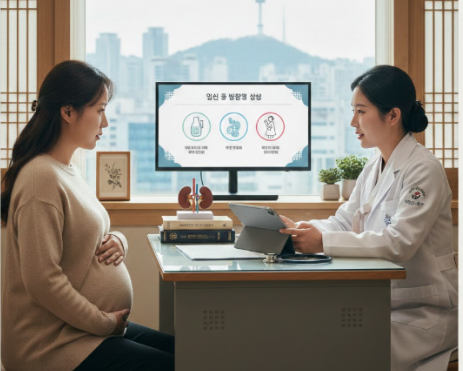
Treatment Overview
Urinary Tract Infections (UTIs) are common during pregnancy due to hormonal changes, increased urine production, and pressure on the bladder from the growing uterus. In Korea, UTI consultation and treatment for pregnant women are handled with exceptional care, advanced diagnostic systems, and strict safety protocols to protect both mother and baby. Korean hospitals prioritize quick testing, safe medications, and close monitoring to prevent complications such as kidney infections or preterm labor.
A pregnancy UTI consultation in Korea typically includes urine testing, culture analysis, fetal-safe antibiotic prescriptions, and follow-up evaluations. International patients benefit from Korea’s modern facilities, short waiting times, and highly experienced obstetricians and urologists who provide coordinated maternal care.
Purpose & Benefits
The purpose of UTI consultation during pregnancy is to diagnose infections early, relieve symptoms, and prevent complications that can affect maternal and fetal health.
Key benefits include:
• Accurate diagnosis using advanced urinalysis
• Safe antibiotic options suitable for pregnant women
• Fast testing results for immediate treatment
• Prevents kidney infections and pregnancy-related complications
• Monitoring of fetal health during treatment
• Guidance for preventing recurrent UTIs during pregnancy
• Access to specialized maternal-fetal medicine departments
Korean hospitals offer integrated care, ensuring that obstetricians, urologists, and maternal specialists work together for optimal outcomes.
Ideal Candidates
A UTI consultation in pregnancy is recommended for:
• Pregnant women with painful urination
• Burning sensation or discomfort
• Frequent urination or urgency
• Cloudy, strong-smelling, or bloody urine
• Lower abdominal pressure or pelvic pain
• Fever or back pain (suggestive of kidney involvement)
• Women with a history of recurrent UTIs
• Pregnant women with diabetes or weakened immunity
• Women with asymptomatic bacteriuria detected during routine checkups
Even minor symptoms must be treated promptly during pregnancy to avoid complications.
Possible Risks & Complications
Untreated UTIs during pregnancy carry significant risks:
• Kidney infections (pyelonephritis)
• Preterm labor or early contractions
• Low birth weight
• High fever affecting fetal health
• Sepsis (severe infection)
• Severe abdominal or flank pain
Side effects from treatment are minimal since Korean doctors prescribe pregnancy-safe antibiotics.
Possible treatment-related risks include:
• Mild nausea
• Temporary digestive discomfort
• Rare allergic reaction
Korean specialists manage these risks through careful drug selection and continuous monitoring.
Techniques & Technology Used
Korean medical facilities use advanced diagnostic tools and safe treatment techniques for pregnancy-related UTIs.
Diagnostic Technologies:
• Automated urinalysis with precise bacterial detection
• Urine culture for identifying specific bacteria
• Antibiotic sensitivity testing
• Ultrasound to check kidneys or bladder (if needed)
• Blood tests for high-risk or complicated UTIs
Treatment Techniques:
• Pregnancy-safe antibiotic therapy
• Hydration and electrolyte support
• Pain-relief medication safe for expectant mothers
• Monitoring of fetal heart rate during moderate or severe cases
• Hospital admission for advanced kidney infections
Korea’s evidence-based treatment ensures maximum safety for both the mother and the baby.
Treatment Process in Korea
UTI consultation during pregnancy in Korea is designed to be fast, safe, and highly organized. Medical tourists appreciate the smooth process and professional support.
- Registration & Consultation
A maternal specialist or obstetrician reviews symptoms, pregnancy stage, and any previous infections. - Urinalysis
Quick testing that provides results in 5–15 minutes. - Urine Culture Test
Recommended for accuracy; results available within 24 hours. - Fetal Well-Being Check
Includes fetal heart monitoring or basic ultrasound if needed. - Medication Plan
Doctors prescribe antibiotics proven to be safe for pregnancy. - Monitoring & Follow-Up
Especially if symptoms are severe or if there is a history of recurrent UTIs. - Additional Testing (if required)
Kidney ultrasound, blood tests, or hospitalization for cases involving fever or kidney pain.
Most pregnant patients can complete consultation and begin treatment within the same day.
Recovery & After-Care
Recovery from a pregnancy UTI is usually smooth, especially with early treatment.
Recommended after-care:
• Drink plenty of water to flush bacteria
• Take antibiotics exactly as prescribed
• Avoid vaginal products, douches, or irritants
• Practice good hygiene
• Empty the bladder regularly
• Avoid holding urine for extended periods
• Wear breathable cotton underwear
• Follow dietary guidance from the doctor
Pregnant women with recurrent UTIs may be advised to undergo routine urine tests every month to prevent complications.
Results & Longevity
Pregnant women generally experience symptom relief within 24–48 hours after beginning safe antibiotic therapy. Full recovery typically occurs within 5–7 days.
Long-term protection is possible with regular monitoring and preventive strategies. Korea’s maternal specialists focus on:
• Preventing recurrence during pregnancy
• Ensuring the infection does not progress to the kidneys
• Protecting fetal health throughout treatment
With proper care, the results are long-lasting, and both mother and baby remain safe.
Why Korea Is a Top Destination
Korea is widely recognized as an excellent destination for pregnancy-related UTI consultation due to:
• World-class obstetric and maternal-fetal medicine specialists
• Advanced laboratory testing with high accuracy
• Fast results and effective treatment plans
• Safe and pregnancy-approved medications
• High standards of cleanliness and patient safety
• English-speaking medical staff
• Coordinated care between obstetrics, urology, and neonatology
• Affordable care compared to Western countries
International patients appreciate Korea’s transparent pricing, modern hospitals, and smooth medical experience.
Cost Range
The cost of UTI consultation and treatment for pregnancy in Korea varies depending on tests and severity.
• Consultation: $20–$40
• Urinalysis: $10–$20
• Urine culture: $25–$40
• Fetal check or ultrasound: $30–$80
• Pregnancy-safe antibiotics: $10–$30
Estimated Total: $70–$200
More complex cases requiring hospitalization or kidney evaluation can cost $250–$500.
Popular Clinics in Korea
Korea offers many reputable hospitals equipped to handle pregnancy UTIs safely and efficiently.
• Samsung Medical Center – Obstetrics & MFM
• Asan Medical Center – Women’s Health Center
• Seoul National University Hospital – Maternal-Fetal Medicine
• Severance Hospital (Yonsei) – Obstetrics & Urology
• Ewha Womans University Medical Center
• CHA Women’s Hospital (specialized maternity care)
• MizMedi Women’s Hospital
These centers provide multilingual services, making them ideal for medical tourists seeking reliable pregnancy care.


