
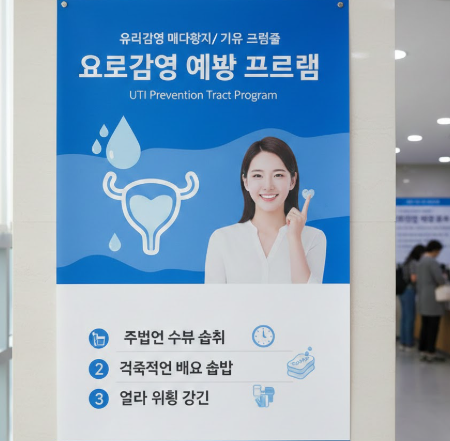
Treatment Overview
Urinary tract infections (UTIs) are common, especially among women, seniors, and individuals with underlying health conditions. While treatment is important, preventing UTIs is equally critical for long-term urinary health. Korea has developed advanced UTI prevention programs that combine medical expertise, modern diagnostic technology, lifestyle counseling, and follow-up care. These programs aim to reduce recurrence, enhance immunity, and address underlying factors that contribute to infections.
Korean urology clinics provide tailored preventive strategies based on patient risk factors, such as anatomy, prior infection history, hormonal changes, and metabolic conditions. Prevention programs also integrate hygiene education, dietary guidance, and advanced laboratory monitoring to detect early signs of infection before symptoms appear.
Purpose & Benefits
The purpose of UTI prevention programs in Korea is to minimize infection risk, avoid recurrence, and maintain long-term urinary tract health.
Key benefits include:
- Reduced risk of recurrent UTIs
- Early detection of bacterial presence using advanced urine tests
- Personalized prevention plans based on patient history
- Comprehensive education on hygiene, hydration, and lifestyle modifications
- Targeted interventions for high-risk groups, including postmenopausal women and individuals with kidney stones or diabetes
- Integration of probiotics, diet, and immune support strategies
- Enhanced overall urinary tract health and reduced antibiotic dependence
Ideal Candidates
UTI prevention programs are suitable for:
- Women with recurrent infections
- Individuals with chronic health conditions like diabetes or immunosuppression
- Patients with kidney stones, structural abnormalities, or catheters
- Postmenopausal women with hormonal changes affecting bladder health
- Men with prostate enlargement or urinary retention issues
- Individuals who experience frequent antibiotic resistance
- Medical tourists seeking proactive care to maintain urinary tract health
Possible Risks & Complications
Preventive programs in Korea are generally safe and non-invasive. Risks are minimal but may include:
- Mild side effects from preventive medications or supplements
- Allergic reactions to probiotics or prescribed herbal treatments
- Misinterpretation of symptoms leading to unnecessary tests
Korean specialists ensure proper monitoring and patient-specific care to minimize risks.
Techniques & Technology Used
Korean clinics use a combination of advanced diagnostics and preventive therapies to reduce UTI recurrence.
Diagnostic and Monitoring Tools:
- Urinalysis to detect early infection
- Urine culture and PCR testing for bacterial identification
- Imaging studies (ultrasound, CT scan) to identify structural issues
- Blood tests for metabolic or immune evaluation
- Cystoscopy for recurrent or complicated cases
Preventive Approaches:
- Tailored antibiotic prophylaxis for patients with recurrent infections
- Hydration therapy and lifestyle counseling
- Bladder training and pelvic floor exercises
- Dietary guidance to reduce urinary tract irritation and stone formation
- Hormonal therapy for postmenopausal women
- Probiotic therapy to restore healthy urinary and gut microbiota
- Immunotherapy in select cases to enhance resistance to infections
Treatment Process in Korea
UTI prevention programs in Korea follow a structured approach:
- Initial Consultation & Risk Assessment – Specialists review medical history, prior infections, lifestyle habits, and risk factors.
- Comprehensive Diagnostic Testing – Includes urinalysis, culture, PCR tests, and imaging if needed.
- Customized Prevention Plan – Doctors design a program tailored to individual needs, including hygiene practices, diet, supplements, and medications if necessary.
- Education & Lifestyle Guidance – Patients receive practical advice on hydration, urinary habits, clothing, and sexual hygiene.
- Follow-Up Monitoring – Regular urine testing and check-ups ensure the program is effective and adjust interventions as needed.
Recovery & After-Care
Although prevention programs are not aimed at acute treatment, patients benefit from improved urinary health and reduced infection rates over time.
After-care guidance includes:
- Maintaining proper hydration
- Adhering to hygiene practices and bladder training routines
- Following prescribed diet and supplement plans
- Attending scheduled follow-ups for urine tests
- Monitoring for early symptoms and seeking immediate consultation if they occur
- Managing underlying conditions like diabetes or hormonal imbalances
Results & Longevity
With consistent participation in UTI prevention programs in Korea, patients experience:
- Fewer UTI episodes per year
- Reduced need for antibiotics
- Lower risk of kidney complications from recurrent infections
- Improved overall urinary tract health
- Early detection of potential infections before they become symptomatic
- Long-term lifestyle changes that support bladder and kidney health
Why Korea Is a Top Destination
Korea is highly regarded for UTI prevention due to:
- Experienced urologists specializing in infection control and prevention
- Advanced diagnostic technology for early detection
- Evidence-based, personalized prevention programs
- Minimally invasive and non-pharmacological interventions
- Affordable care with international patient support
- Efficient hospital systems offering quick consultations and testing
- Comprehensive follow-up services ensuring sustained results
Cost Range
The cost of UTI prevention programs varies depending on diagnostics, follow-ups, and preventive interventions:
- Consultation: $20–$50
- Urinalysis & urine culture: $20–$50
- PCR bacterial testing: $30–$90
- Ultrasound imaging: $40–$80
- Probiotics & dietary supplements: $10–$50 per month
- Hormonal therapy (if needed): $50–$150 per month
- Follow-up monitoring visits: $20–$50 each
Estimated total: $100–$400 depending on program complexity and patient needs.
Popular Clinics in Korea
- Seoul National University Hospital – Urology & Prevention Program
- Samsung Medical Center – Urology & Recurrent UTI Clinic
- Asan Medical Center – International Urology & Infection Care
- Wooridul Urology Clinic – Preventive Care Programs
- Yonsei Severance Hospital – Urology & Women’s Health
- Bumin Hospital – Recurrent UTI Management
These facilities are known for their advanced diagnostics, expert urologists, and international patient services.


