
Treatment Overview
Urinary Tract Infection (UTI) is a common bacterial condition that affects millions of people each year. While UTIs are typically treatable, prevention is the key to long-term urinary health and reduced recurrence. In Korea, medical experts emphasize proactive and science-backed prevention methods. Korean hospitals, urology clinics, and women’s health centers provide comprehensive evaluations, lifestyle guidance, and preventive treatments tailored to patients’ unique health profiles.
UTI prevention in Korea combines modern diagnostic tools, hygiene practices, personalized counseling, and advanced supplements, providing both locals and international patients with a reliable strategy to stay infection-free.
Purpose & Benefits
The purpose of UTI prevention is to reduce the chance of bacterial growth in the urinary tract, prevent recurring infections, and maintain optimal bladder and kidney health. Korea’s prevention-focused healthcare model offers several benefits:
- Lower risk of recurrent UTIs
- Reduced need for antibiotics
- Improved bladder function and comfort
- Identification of underlying causes
- Personalized guidance for long-term health
- Enhanced overall urinary system wellness
By following recommended habits and medical advice in Korea, patients can significantly decrease their UTI risk.
Ideal Candidates
UTI prevention strategies in Korea are ideal for:
- Women who experience frequent or recurring UTIs
- Individuals with a history of kidney infections
- Patients with bladder function disorders
- Men with prostatitis-related infections
- Seniors with reduced immunity
- People with high-stress lifestyles or dehydration issues
- International patients seeking guidance while traveling
Anyone aiming to protect their urinary health and avoid future infections can benefit from the preventive practices recommended in Korea.
Possible Risks & Complications
There are no significant risks to adopting UTI prevention habits; however, ignoring symptoms or relying solely on home remedies may lead to complications such as:
- Recurrent UTIs
- Kidney infection (pyelonephritis)
- Chronic bladder inflammation
- Antibiotic resistance (from repeated treatments)
- Severe discomfort and fever
Korean doctors stress the importance of combining prevention with timely medical checkups to avoid complications.
Techniques & Technology Used
Korean healthcare facilities use advanced tools and techniques to support UTI prevention:
- Urinalysis and culture testing to detect early-stage issues
- Bladder ultrasound to identify structural problems
- PCR-based pathogen testing for high accuracy
- Cystoscopy in recurrent or complex cases
- Urodynamic tests for bladder function assessment
- Preventive probiotic therapies
- D-mannose and cranberry extract supplements
- Hydration and dietary monitoring apps
Korea integrates medical technology with lifestyle guidance to ensure long-term urinary health.
Treatment Process in Korea
While prevention does not involve a single treatment, Korea follows a structured approach for individuals prone to UTIs:
- Initial Consultation
Doctors review symptoms, lifestyle habits, and medical history. - Diagnostic Evaluation
Urine tests, imaging, or bladder function tests may be done to find the root cause. - Personalized Prevention Plan
This may include hydration goals, hygiene guidelines, supplements, and changes in diet or lifestyle. - Prescription of Preventive Supplements
Doctors may recommend probiotics, D-mannose, cranberry tablets, or immune-supporting vitamins. - Follow-Up and Monitoring
For chronic or recurrent cases, Korean clinics provide scheduled follow-ups. - Lifestyle Guidance
Detailed instructions are given on fluid intake, urination habits, and sexual hygiene practices.
Recovery & After-Care
For individuals recovering from a recent UTI, Korea’s after-care focuses on preventing recurrence:
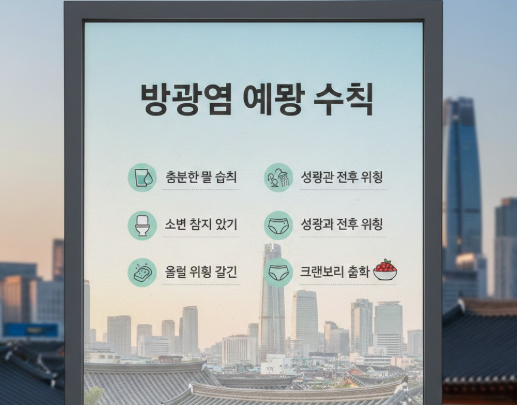
- Drink 2–2.5 liters of water daily
- Avoid caffeine and alcohol temporarily
- Urinate frequently and avoid holding urine
- Wear breathable cotton underwear
- Proper hygiene before and after sexual activity
- Consider probiotic supplements
- Maintain balanced nutrition
Korean urologists also suggest avoiding heavy irritants like scented washes or harsh soaps which can disrupt natural pH levels.
Results & Longevity
With consistent adherence to prevention strategies, most individuals experience:
- Fewer recurrent UTIs
- Reduced inflammation
- Greater urinary comfort
- Long-term bladder health
The longevity of results depends on maintaining lifestyle habits, hydration, and timely medical care. In Korea, patients often see significant improvements within weeks to months.
Why Korea Is a Top Destination
Korea’s medical system excels in UTI prevention due to:
- Evidence-based, patient-specific care
- Advanced diagnostic technology
- Highly trained urology and women’s health specialists
- Coordinated care for international patients
- Quick access to testing and follow-ups
- Supplement options supported by clinical research
Korea’s clean environment, efficient medical infrastructure, and world-class hospitals make it a preferred destination for urinary health management.
Cost Range
The cost of UTI prevention consultations and tests in Korea includes:
- Doctor Consultation: USD 20 – 60
- Urinalysis: USD 10 – 30
- Imaging or ultrasound (if needed): USD 60 – 120
- Probiotic/D-mannose supplements: USD 10 – 40
- Follow-up consultation: USD 20 – 50
Estimated cost range: USD 50 – 200, depending on individual needs.
Popular Clinics in Korea
Leading medical centers offering UTI prevention guidance and urinary health management include:
- Seoul National University Hospital
- Severance Hospital (Yonsei)
- Asan Medical Center
- Samsung Medical Center
- CHA Women’s Hospital
- Ewha Womans University Medical Center
- KMC Urology Clinic
These facilities provide comprehensive urinary health services, international patient support, and specialized testing.


