
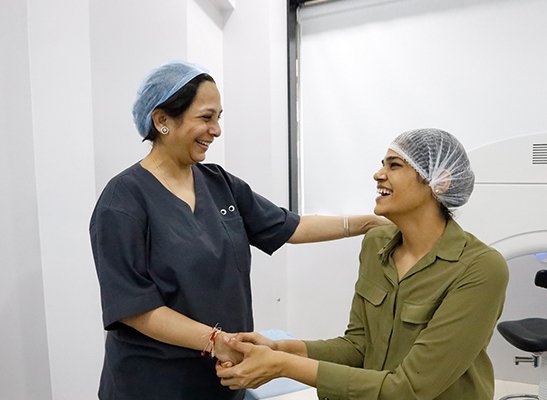
LASEK eye surgery in South Korea offers world-class technology, expert surgeons, and affordable prices—all in a country known for its outstanding medical tourism infrastructure. But if you’re an international patient planning vision correction abroad, it’s important to understand what LASEK recovery looks like while you’re traveling or temporarily staying in Korea.
LASEK (Laser-Assisted Sub-Epithelial Keratectomy) differs from LASIK in that it does not create a corneal flap, which makes it safer for people with thin corneas or dry eyes. However, it comes with a longer recovery period, which is a crucial consideration for foreign patients who must manage healing while away from home.
This guide will walk you through everything you need to know about LASEK recovery as a medical tourist in Korea—from timelines to comfort tips and follow-up care.
⏳ How Long Should You Stay in Korea After LASEK?
While the LASEK procedure itself takes only 30–45 minutes, healing takes longer than LASIK. Most international patients are advised to stay in Korea for:
✅ Minimum Recommended Stay: 5 to 7 Days
- Day 0 (Surgery Day): Blurry vision, mild to moderate pain or discomfort.
- Day 1–3: Eyes remain sensitive to light; vision is hazy.
- Day 4–5: Protective lens is removed at follow-up; vision begins to improve.
- Day 6–7: Suitable for flying, sightseeing, or returning to work with caution.
Note: If you have dry eyes, high prescriptions, or other health conditions, your doctor may recommend staying up to 10 days.
🧳 What to Pack for a Comfortable Recovery in Korea
Your recovery kit should include the following essentials:
| Item | Why You Need It |
|---|---|
| 🕶️ UV-blocking sunglasses | Helps protect sensitive eyes from light and UV rays |
| 💧 Prescribed eye drops | Antibiotics, steroids, and lubricating drops for healing |
| 💊 Over-the-counter pain relievers | For mild discomfort during the first few days |
| 🧴 Artificial tears | Helps reduce dryness and speed up healing |
| 🛏️ Sleep mask or blackout curtains | Helps ensure restful sleep in bright accommodations |
| 📱 Entertainment apps | Audiobooks, podcasts, or voice-guided meditation to pass the time |
🏥 What to Expect During Your Post-Op Follow-Up in Korea
Most Korean clinics offer 1–2 in-person follow-up appointments before you return home.
Typical Schedule:
- Day 1 (Post-op): Brief exam to check the bandage lens placement and early healing.
- Day 4–5: Bandage lens removal, visual acuity check, and updated recovery instructions.
Clinics that cater to international patients often provide:
- Multilingual staff
- Written aftercare instructions in your language
- Emergency contact numbers in case of complications
Tip: Ask your surgeon to provide a copy of your medical report in English to share with your eye doctor at home.
📱 Staying in Touch After You Leave Korea
Top Korean clinics understand that you’ll return home before full recovery is complete. They offer remote aftercare options, including:
- Email or video call check-ins
- Vision tracking apps
- International prescriptions if you need additional eye drops
- Recommendations for follow-up care with an eye specialist in your country
Always keep the clinic’s contact information and your surgical records handy in case your local doctor needs to consult with your Korean surgeon.
🚫 Activities to Avoid During Recovery (While in Korea)
While it may be tempting to pack your schedule with sightseeing, there are some important restrictions during LASEK recovery:
| Avoid | Why |
|---|---|
| Swimming pools or spas | Risk of infection |
| Rubbing your eyes | Can disrupt healing |
| Eye makeup | Can introduce bacteria |
| Intense outdoor activities | Can cause dry eye or injury |
| Smoking or drinking | May interfere with healing and increase dry eye symptoms |
| Screens for too long | Causes eye fatigue and dryness |
Focus on low-impact activities like walking, visiting museums, or relaxing in parks during your stay.
🏨 Recovery-Friendly Accommodations in Korea
Some medical tourists choose to stay in specialized recovery centers near top eye clinics in Seoul, Busan, or Daegu. These facilities offer:
- In-room nursing services
- Custom meals (good for dry eye recovery and healing)
- Shuttle transport to/from clinics
- Multilingual support
Alternatively, choose a hotel or serviced apartment that offers:
- Blackout curtains or adjustable lighting
- Air purification systems (important for healing)
- Proximity to the clinic
🥗 Eating and Hydrating for Eye Healing
Korean cuisine can support your recovery when you choose eye-friendly dishes. Look for:
| Food | Benefit |
|---|---|
| 🐟 Grilled mackerel or salmon | Rich in omega-3s to reduce inflammation |
| 🥬 Spinach, kale, and broccoli | Packed with lutein and vitamins A & C |
| 🥚 Boiled eggs and tofu | High in protein to support tissue repair |
| 🍲 Bone broth-based soups | Easy to digest and soothing for recovery |
| 💧 Barley tea or water | Keeps eyes and body hydrated |
Avoid spicy food, excessive caffeine, or salty snacks that can contribute to dehydration and dry eyes.
🧭 Final Tips for a Smooth LASEK Recovery While in Korea
- Plan a relaxed travel itinerary. Rest is vital in the first 3–4 days.
- Choose a clinic with international patient services. It ensures smoother communication and better care.
- Use eye drops exactly as instructed. Compliance significantly reduces complications.
- Download offline content. Reading may strain your eyes, so listen to podcasts, audiobooks, or voice-guided tours.
- Take your time. Avoid rushing home too soon, especially if you feel light-sensitive or haven’t had your lens removed yet.
✨ Conclusion: Safe, Comfortable Recovery Is Possible for International Patients in Korea
South Korea offers not only world-class LASEK surgery, but also the infrastructure to support your safe, convenient, and comfortable healing journey. From follow-up care and recovery facilities to language support and healthy meals, everything is tailored to make medical tourists feel at ease—even while managing recovery away from home.


