
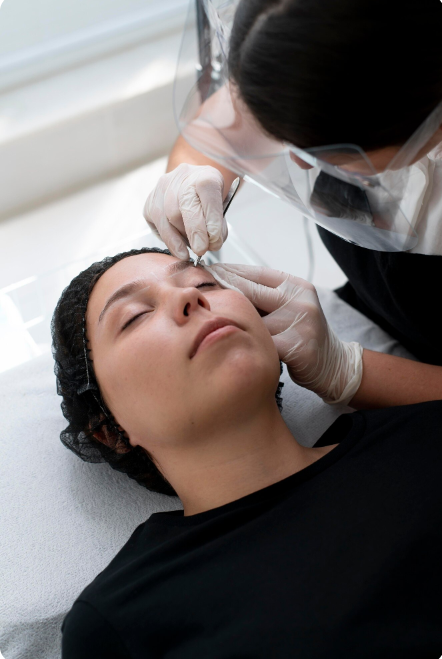
If you’re exploring facial rejuvenation procedures, you may have come across the term SMAS facelift. SMAS stands for Superficial Musculoaponeurotic System—a layer of tissue deep beneath the skin that plays a major role in facial structure and expression. Unlike traditional facelifts that primarily tighten the skin, a SMAS facelift targets this deeper layer for longer-lasting, more natural-looking results.
What Is the SMAS Layer?
The SMAS is a fibrous network that covers the muscles responsible for facial expression and connects them to the skin. Over time, due to aging and gravity, the SMAS layer sags, contributing to jowls, deep nasolabial folds, and a tired or droopy appearance.
What Is a SMAS Facelift?
A SMAS facelift is a surgical procedure designed to lift and reposition the SMAS layer to restore youthful facial contours. The technique involves:
- Making incisions typically around the ears and sometimes into the hairline.
- Lifting and repositioning the SMAS layer, not just pulling the skin.
- Trimming or tightening excess skin to match the new facial structure.
Because it addresses both the superficial and underlying structural layers, a SMAS facelift delivers more comprehensive and longer-lasting results than a skin-only facelift.
How Is It Different from Other Facelifts?
| Facelift Type | Target Layer | Typical Results |
|---|---|---|
| Skin-Only Facelift | Skin only | Short-term tightening |
| SMAS Facelift | SMAS layer + skin | Natural, long-lasting lift |
| Deep Plane Facelift | SMAS + deeper tissues | Most advanced, dramatic results |
Final Thoughts
A SMAS facelift offers a powerful solution for patients seeking natural, long-lasting facial rejuvenation. By addressing the deeper layers of the face—not just the skin—it achieves a more youthful look that respects your natural features.
If you’re considering a facelift and want expert guidance, be sure to consult with a board-certified facial plastic surgeon who specializes in advanced facelift techniques.


