
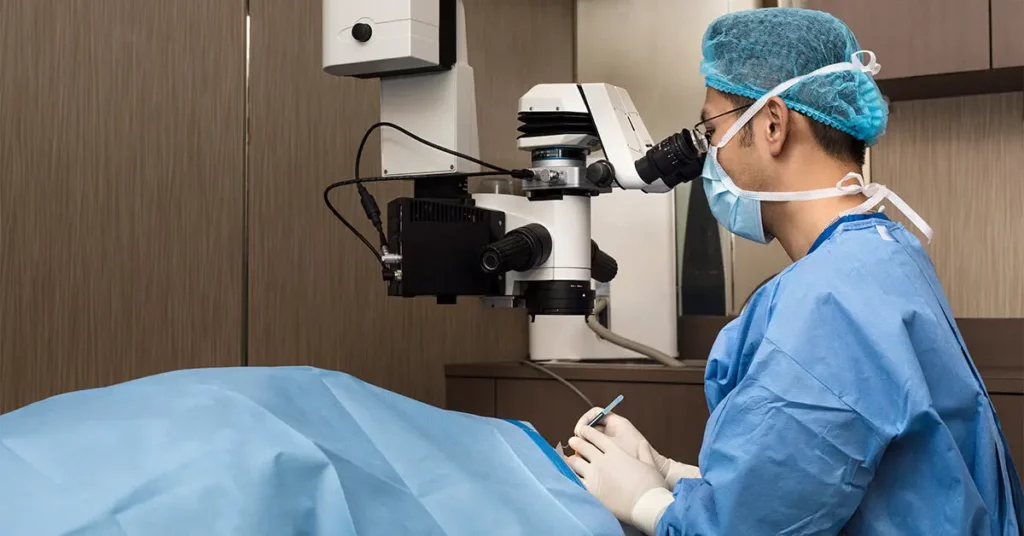
SMILE (Small Incision Lenticule Extraction) is a modern, minimally invasive laser vision correction procedure known for its quick recovery and long-term results. However, if you’re traveling internationally for SMILE surgery, your recovery timeline must factor in medical care, travel logistics, and aftercare safety.
This detailed guide breaks down the recovery timeline, what to expect at each stage, and how international travel may affect your healing process.
🕒 Overview: SMILE Surgery Recovery Timeline
| Time Frame | Recovery Milestones |
|---|---|
| Day 1 (Surgery Day) | Mild discomfort, blurry vision, light sensitivity |
| Day 2–3 | Vision begins to stabilize, resume light activities |
| Week 1 | Most side effects improve; avoid strenuous travel |
| Week 2–4 | Vision clarity increases; return to most normal activities |
| 1–3 Months | Full healing of corneal incision and visual stabilization |
✈️ Key Considerations for International Patients
If you’re flying abroad for SMILE surgery, recovery planning must balance safe healing time and travel scheduling. Here are the most critical things to keep in mind:
✅ 1. Stay at Least 5–7 Days Post-Surgery
Even though the SMILE procedure itself takes just a few minutes and has a fast recovery, most surgeons recommend staying near the clinic for at least 5 to 7 days after the surgery. This window allows for:
- Immediate post-op follow-up (within 24 hours)
- A secondary check-up around Day 3–5
- Monitoring for rare complications like:
- Inflammation
- Vision fluctuation
- Infection (very rare but possible)
Pro Tip: Some international clinics include local hotel stays and transport in their medical tourism packages to make this more convenient.
✅ 2. Avoid Flying for the First 3 Days
Although there’s no official flight restriction after SMILE surgery, it’s generally advised to avoid flying for at least 72 hours post-op. Airplane cabins have low humidity and can worsen:
- Dry eye symptoms
- Light sensitivity
- General eye discomfort
If you must fly early, be sure to:
- Use preservative-free artificial tears frequently
- Wear UV-blocking sunglasses
- Avoid sleeping with your face against surfaces
✅ 3. Week-by-Week Recovery Timeline (For Travelers)
➤ Day 0: Surgery Day
- Expect mild tearing, blurry vision, and discomfort.
- Keep your eyes closed as much as possible.
- Wear sunglasses indoors if light sensitivity is high.
- Avoid touching, rubbing, or rinsing your eyes.
➤ Day 1: First Follow-Up Visit
- Eye surgeon checks for inflammation or healing issues.
- Most patients notice improved vision but still slightly blurry.
- You can walk, dine out, and enjoy light sightseeing with care.
➤ Day 2–3: Early Recovery
- Vision continues to stabilize.
- You can resume light activities like reading or gentle walking.
- Still avoid:
- Swimming
- Sauna or steam rooms
- Heavy exercise
- Dusty or smoky environments
➤ Day 4–7: Travel Clearance
- If your follow-up visit goes well, you’re typically cleared to fly home around Day 5–7.
- You’ll likely receive a medical summary and detailed post-op instructions for your return trip.
➤ Week 2–4: At Home
- Vision sharpens further.
- Return to work is usually possible within 3–5 days depending on job demands.
- Continue eye drops as prescribed and avoid trauma or eye strain.
✍️ Essential Travel Planning Tips for Recovery
| Category | What to Do |
|---|---|
| Accommodation | Book a hotel near the clinic for at least 5–7 nights |
| Flights | Choose flexible return dates or refundable tickets |
| Travel insurance | Ensure your plan covers elective procedures and delays |
| Activity planning | Avoid booking excursions during the first week |
| Post-op support | Consider traveling with a friend or family member |
| Hydration | Drink plenty of water, especially during flights |
🔍 What If Complications Arise Abroad?
Complications are rare with SMILE, but it’s smart to prepare:
- Ask your clinic for an emergency contact or direct WhatsApp line.
- Ensure access to digital records in case you need to consult an ophthalmologist at home.
- Schedule a post-travel follow-up with a local eye specialist within 1–3 weeks of returning.
✅ Summary: Recovery Timeline for International SMILE Patients
| Recovery Milestone | When | Travel Impact |
|---|---|---|
| Initial healing | Day 1–3 | Stay local, avoid flying |
| Travel-safe clearance | Day 5–7 | Safe to return home with sunglasses and drops |
| Full visual stabilization | Week 2–4 | Continue healing at home |
| Final outcome | 1–3 months | Occasional mild dryness or halos may persist |
🧳 Final Thought
SMILE eye surgery offers fast healing and high satisfaction—but international patients must plan recovery carefully to ensure a safe and smooth experience. By staying in-country for at least a week post-op and following aftercare guidelines, you can protect your vision investment while enjoying a life-changing transformation—possibly with a beautiful travel memory attached.


