
Traveling to South Korea for a collagen booster facial offers an exciting opportunity to experience one of the most advanced and effective skincare treatments available worldwide. For medical tourists, understanding the treatment process beforehand can help ease any anxiety, ensure realistic expectations, and maximize the benefits of your facial.
Here’s a comprehensive guide to what you can expect during your first collagen booster facial in Korea:
1. Initial Consultation and Skin Assessment
- Upon arrival at the clinic, you will typically begin with a thorough skin consultation.
- A Korean dermatologist or skincare specialist will evaluate your skin type, concerns, and medical history.
- The expert may use diagnostic tools like skin analyzers or digital imaging to assess hydration, elasticity, and collagen levels.
- Based on this, the specialist will customize a collagen booster facial plan tailored to your skin’s unique needs.
2. Explanation of the Treatment Procedure
- Before starting, the clinician will explain the specific collagen-boosting technology and methods used in your facial.
- You’ll learn about the benefits, expected sensations during the treatment, and any potential side effects.
- This is a great time to ask questions or voice concerns to ensure you feel comfortable.
3. Pre-Treatment Preparation
- The specialist will cleanse your face thoroughly to remove makeup, oils, and impurities.
- Sometimes, a mild exfoliation may be performed to help treatment ingredients penetrate better.
- Depending on the procedure, a topical numbing cream might be applied to minimize discomfort, especially for microneedling or RF (radiofrequency) treatments.
4. The Collagen Booster Treatment
- The exact procedure varies depending on the facial type you booked, but common treatments include:
- Microneedling: Tiny needles create micro-injuries stimulating collagen production.
- Radiofrequency (RF): Heat energy penetrates deep layers to tighten skin and boost collagen.
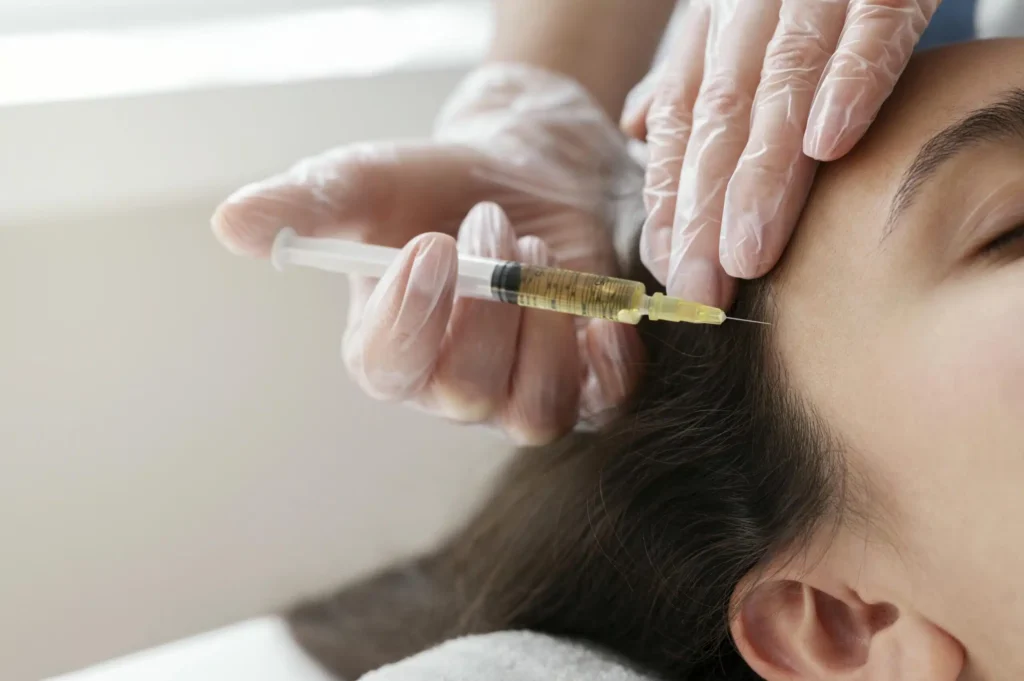
- PRP (Platelet-Rich Plasma): Your own plasma is applied or injected to accelerate skin regeneration.
- LED Light Therapy: Different wavelengths promote healing and collagen synthesis.
- The specialist will carefully perform the treatment over your entire face, focusing on targeted areas as needed.
- The process usually lasts between 30 to 60 minutes.
5. During the Treatment: Sensations and Comfort
- Many patients describe a mild tingling, warmth, or slight pricking sensation during collagen booster facials.
- Korean clinics prioritize patient comfort, often adjusting device settings and offering breaks if needed.
- Communication with your aesthetician is encouraged to manage any discomfort.
6. Post-Treatment Care at the Clinic
- After the procedure, your skin may appear slightly red, flushed, or sensitive—this is normal and temporary.
- The clinician will apply soothing serums, moisturizers, and sunscreen to protect your skin.
- Some clinics provide cooling masks or gentle massage to enhance relaxation and reduce inflammation.
- You will receive detailed post-treatment care instructions tailored to the specific facial you underwent.
7. Aftercare and Recovery Expectations
- Expect mild redness or swelling that typically subsides within hours to a couple of days.
- Avoid direct sun exposure and apply high-SPF sunscreen diligently.
- Refrain from heavy makeup, harsh skincare products, and intense physical activity for at least 24-48 hours.
- Keep your skin hydrated using recommended creams or serums.
8. Follow-Up Sessions and Long-Term Results
- Collagen booster facials often require multiple sessions spaced weeks apart to achieve optimal results.
- Your Korean dermatologist will recommend a treatment schedule based on your skin condition and goals.
- You may also receive advice on complementary Korean skincare products or lifestyle tips to prolong collagen benefits.
9. Cultural Experience and Clinic Environment
- Korean clinics are known for their modern, hygienic, and relaxing environments designed to make international patients feel welcome.
- Staff are typically multilingual or offer interpreters, ensuring smooth communication throughout your visit.
- Expect attentive, professional service with a focus on personalized care.
Final Thoughts: Preparing for a Rewarding First Collagen Booster Facial in Korea
Knowing what to expect before your first collagen booster facial in Korea helps you enter the experience with confidence and excitement. From the initial consultation to post-treatment care, Korean clinics combine advanced technology with expert skill to deliver outstanding skin rejuvenation results.


