
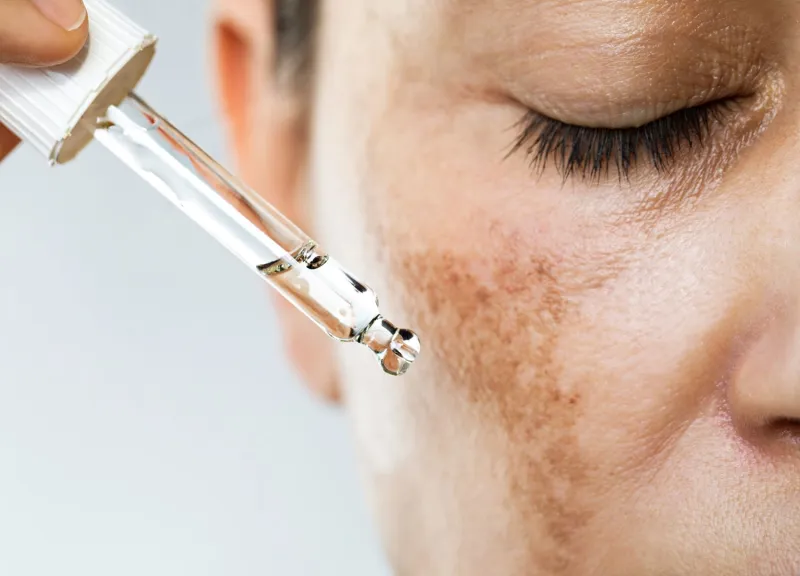
Pigmentation issues such as melasma, sun spots, freckles, and acne marks are among the most common skin concerns in Asia. While both Pico Laser and IPL (Intense Pulsed Light) treatments are used to address hyperpigmentation, Korean dermatologists and cosmetic surgeons are increasingly favoring Pico Laser as the gold standard—especially for Asian skin.
But what makes Pico Laser superior to IPL for pigmentation treatment? In this article, we break down the key differences and expert insights from top Korean surgeons.
Understanding the Basics: Pico Laser vs. IPL
✅ Pico Laser (Picosecond Laser)
- Emits ultra-short bursts of laser energy in picoseconds (trillionths of a second)
- Specifically targets melanin pigment
- Breaks pigment into ultra-fine particles for easier removal by the body
- Stimulates collagen regeneration with minimal heat damage
✅ IPL (Intense Pulsed Light)
- Uses a broad-spectrum light that is absorbed by pigment, blood vessels, and water in the skin
- Can treat pigmentation, redness, and hair removal
- Less targeted and more heat-based
- Higher risk of inflammation and rebound hyperpigmentation
1. 🎯 Precision Targeting of Pigment
What Korean Surgeons Say:
“Unlike IPL, Pico Laser delivers energy specifically to the melanin clusters without affecting surrounding tissue. This precision is crucial for Asian skin, which is more reactive.” – Dr. Jihoon Kim, Dermatologic Surgeon, Seoul
- Pico Laser: Selectively breaks down melanin particles
- IPL: May affect non-target structures, leading to more side effects
2. 💥 Faster and More Effective Results
In South Korea, many clinics report that patients begin seeing results after just one or two Pico Laser sessions, while IPL often requires more sessions for visible improvement.
- Pico Laser: 3–5 sessions for lasting pigmentation reduction
- IPL: 6–8 sessions typically needed
“Pico lasers are more efficient at fragmenting stubborn pigments like melasma and dermal spots, which IPL often fails to reach.” – Dr. Minseo Lee, Cosmetic Laser Specialist
3. 🔥 Minimal Heat = Less Risk of Post-Inflammatory Hyperpigmentation (PIH)
Asian skin (Fitzpatrick types III–V) is more prone to developing PIH when exposed to heat-based treatments like IPL.
- Pico Laser: Generates photoacoustic energy, not heat — lower risk of rebound pigmentation
- IPL: Relies on photothermal energy — increases inflammation and pigment activation
“We avoid IPL for melasma because it can worsen the condition by triggering inflammation. Pico Laser gives us better control with fewer side effects.” – Dr. Sunhee Park, Laser Dermatology Clinic, Gangnam
4. 🧬 Dual Benefit: Pigment Removal + Skin Rejuvenation
Pico Laser not only treats pigmentation but also stimulates collagen and elastin production, improving:
- Pore size
- Fine lines
- Skin texture and tone
While IPL may offer some photorejuvenation effects, it lacks the deep dermal stimulation Pico Laser provides.
“Many Korean patients love Pico because it also tightens and refreshes the skin, giving that ‘glass skin’ glow.” – Dr. Eunji Choi, Aesthetic Laser Expert
5. ⏱️ Less Downtime and Fewer Side Effects
- Pico Laser: Redness typically lasts less than 24 hours; makeup can often be worn the next day
- IPL: May cause longer-lasting redness, swelling, and even scabbing
Korean clinics prefer treatments that allow patients to return quickly to daily life—making Pico the more popular choice.
6. 📊 Backed by Clinical Data and Advanced Korean Technology
Korea is at the forefront of laser skincare technology, using high-end systems like:
- PicoPlus by Lutronic (Korean brand)
- Discovery PICO by Quanta System
- PicoSure by Cynosure
These devices are widely used in Seoul’s top clinics due to their reliability and efficacy on melasma, Hori’s nevus, and deep dermal pigmentation.
Final Verdict: Pico Laser Wins for Asian Skin
| Feature | Pico Laser ✅ | IPL ❌ |
|---|---|---|
| Precision for pigment | High | Moderate |
| Risk of PIH (Asian skin) | Low | Higher |
| Effectiveness for melasma | Excellent | Poor-to-Fair |
| Skin rejuvenation | Yes | Minimal |
| Downtime | Minimal | Moderate |
| Recommended by Korean Surgeons | ✔️ | Rarely |
Conclusion
While IPL may be suitable for lighter skin tones or broader photorejuvenation, Korean surgeons overwhelmingly choose Pico Laser for treating pigmentation in Asian patients. Its precision, safety, and added rejuvenating benefits make it the treatment of choice in South Korea’s most advanced aesthetic clinics.
If you’re dealing with stubborn pigmentation, melasma, or uneven skin tone, consult with a clinic experienced in Pico technology—especially one that tailors treatments to your unique skin type.


