
Treatment Overview
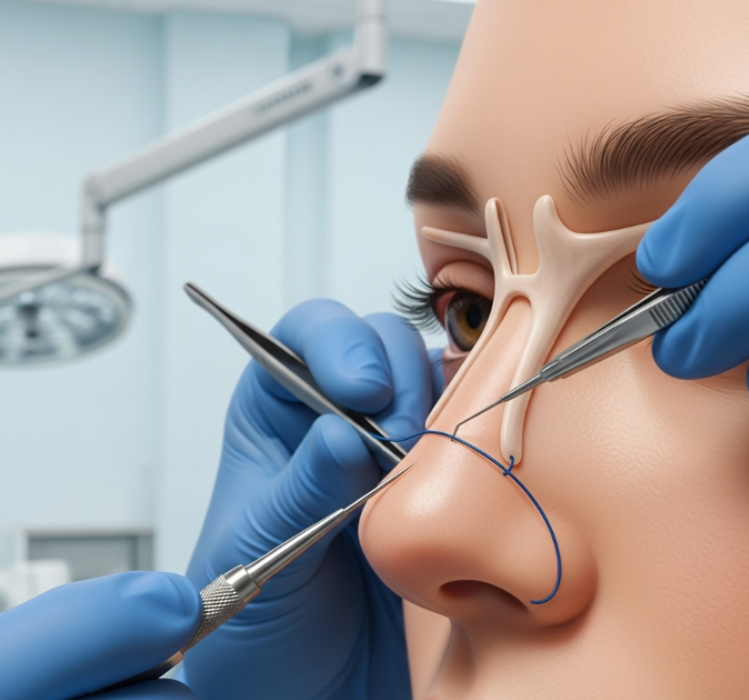
Wide Nose Correction African Rhinoplasty is a specialized surgical procedure tailored for African patients who have a broader nasal structure. Many African noses naturally feature wide nostrils, a broad nasal base, and softer cartilage. This surgery narrows and refines the nasal width while maintaining natural ethnic beauty. Korean plastic surgeons, with their advanced precision techniques, focus on creating a more balanced, harmonious, and proportionate nose shape without losing cultural identity.
Purpose & Benefits
- Narrows a wide nasal base or bridge.
- Reduces the flare of wide nostrils.
- Improves facial balance and proportion.
- Enhances overall nasal definition.
- Retains African ethnic features while providing refinement.
Ideal Candidates
- African patients with broad noses or wide nasal bridges.
- Individuals with wide nostril flare.
- Patients seeking subtle refinement, not dramatic changes.
- Those in good health with realistic expectations.
- Patients who want improved balance without losing identity.
Possible Risks & Complications
- Temporary swelling or bruising.
- Mild asymmetry in nostrils during healing.
- Over- or under-correction (rare with skilled surgeons).
- Scar visibility at the nostril base (minimized with advanced suturing).
Surgical Techniques Used
- Alar Base Reduction: Narrows wide nostrils.
- Osteotomy (Nasal Bone Reshaping): Refines a broad nasal bridge.
- Cartilage Grafting: Provides structure and shape.
- Tip Refinement: Improves definition if combined with wide base correction.
- Customized Combination: Adjusted to each patient’s nasal anatomy.
Recovery & Aftercare
- Initial Healing: 7–10 days for swelling and bruising to reduce.
- Stitches Removal: Around 5–7 days post-surgery.
- Return to Routine: After about 1 week.
- Full Results: 3–6 months as swelling gradually subsides.
- Aftercare Programs: Korean clinics provide scar treatment, swelling care, and routine follow-ups.
Results & Longevity
- Permanent correction of wide nasal base.
- More refined, proportional, and elegant nasal shape.
- Results designed to look natural on African facial features.
- Long-lasting outcome supported by cartilage grafts if used.
Treatment Process in Korea
The journey starts with a personalized consultation, where 3D simulations help patients visualize outcomes. Surgeons evaluate the nasal bridge, base, and nostrils to recommend the most effective correction method.
Surgery is usually performed under general anesthesia or local anesthesia with sedation. Depending on needs, alar base reduction, osteotomy, or tip refinement techniques are applied. Korean clinics focus on precision and symmetry, ensuring refinement without over-reduction.
After the operation, patients receive specialized aftercare, including swelling reduction therapies, scar management, and interpreter-supported follow-ups for international patients.
Why Korea?
- Expertise in Ethnic Rhinoplasty: Korean surgeons are highly skilled in tailoring surgeries for diverse nasal anatomies.
- Advanced Surgical Techniques: Precision osteotomy and alar base reduction for natural results.
- Balanced Outcomes: Enhances nasal shape without erasing African identity.
- Global Medical Hub: International-friendly services with interpreters and medical tourism support.
Cost Range
The cost of Wide Nose Correction African Rhinoplasty in Korea varies by complexity and techniques used:
- Basic Wide Nose Correction (Alar Reduction): ₩4,500,000 – ₩6,000,000 KRW ($3,500 – $4,600 USD)
- Bridge Refinement with Osteotomy: ₩6,500,000 – ₩8,500,000 KRW ($5,000 – $6,600 USD)
- Full Wide Nose Correction (with tip refinement & grafting): ₩8,500,000 – ₩11,000,000 KRW ($6,600 – $8,500 USD)
Popular Clinics in Korea for Wide Nose Correction
- ID Hospital (Seoul): Known for precision bone reshaping and nostril refinement.
- Banobagi Plastic Surgery: Specializes in balanced wide nose correction.
- JW Plastic Surgery: Offers cartilage grafting for structural enhancement.
- View Plastic Surgery: Experienced with African rhinoplasty procedures.
- MINE Plastic Surgery: Focused on natural, proportionate outcomes.


