
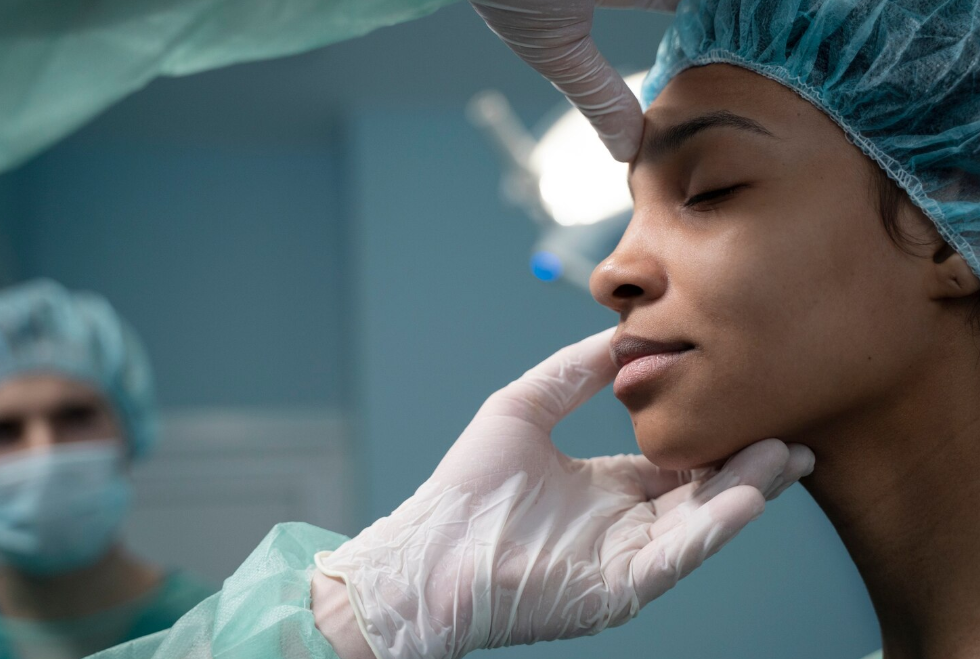
Treatment Overview
Wound scar correction is a specialized reconstructive and cosmetic surgery that focuses on improving the appearance, texture, and function of scars caused by accidents, trauma, burns, or previous surgeries. In Korea, advanced scar revision techniques are widely practiced by both plastic surgeons and dermatologists, ensuring that scars are minimized for both aesthetic improvement and functional restoration (when scars restrict movement or breathing in the nasal area).
Korean clinics utilize cutting-edge methods such as laser therapy, microneedling, surgical excision, skin grafting, and stem-cell-based treatments to help patients achieve smoother, less visible scars that blend naturally with the surrounding skin.
Purpose & Benefits
- Improves the appearance of visible scars on the face or body
- Corrects thick, raised, or depressed scars (hypertrophic or atrophic)
- Restores skin flexibility and mobility if scars cause restrictions
- Reduces discoloration and uneven skin tone
- Enhances self-confidence and social comfort
- Provides permanent improvement with proper treatment and aftercare
Ideal Candidates
- Individuals with visible facial scars from trauma, accidents, or previous surgeries
- Patients with keloids or hypertrophic scars that are thick or raised
- Those with depressed or sunken scars from wounds or surgical procedures
- Patients whose scars restrict movement or nasal function
- Anyone seeking both aesthetic refinement and functional correction
Possible Risks & Complications
- Temporary redness, swelling, or tenderness at treatment site
- Minor bleeding or bruising (especially with surgical revision)
- Risk of scar recurrence, particularly with keloids
- Skin texture irregularities (rare with expert care)
- Infection (extremely rare in sterile clinical settings)
Scar Correction Techniques Used in Korea
Korean clinics offer customized scar treatment depending on scar type, location, and severity:
- Laser Therapy (Fraxel, CO2, V-Beam): Smoothens surface, reduces pigmentation
- Steroid Injections: Flattens keloids and hypertrophic scars
- Surgical Scar Revision: Excision or re-stitching for improved alignment
- Skin Grafting or Flap Surgery: Used for severe or functional scar deformities
- Microneedling & PRP Therapy: Stimulates collagen production for smoother skin
- Stem Cell & Regenerative Medicine: Promotes natural tissue healing and scar remodeling
Recovery & Aftercare
- Downtime: Minimal for laser/injections; 7–14 days for surgical revision
- Aftercare: Regular moisturization, sun protection, and scar creams
- Improvement timeline: Noticeable results in 4–6 weeks; full remodeling over 3–12 months
- Follow-up: Multiple sessions may be required for optimal results
- Patients should avoid excessive sun exposure and skin irritation during healing
Results & Longevity
- Noticeably flatter, lighter, and smoother scars
- Restored functional flexibility if scar restricted movement
- Long-lasting improvements, though keloid-prone patients may need maintenance treatments
- Results can last a lifetime with proper aftercare and treatment planning
Treatment Process in Korea
- Consultation & Scar Assessment – Skin type, scar type, and history evaluated
- Customized Treatment Plan – Combination of laser, surgical revision, or injections
- Treatment Sessions – 30 minutes to 3 hours depending on method
- Initial Recovery (1–2 weeks) – Swelling/redness subsides
- Follow-Up Care – Multiple sessions may be needed for severe scars
- Final Healing (3–12 months) – Scar matures into a less visible, natural finish
Cost Range in Korea
Scar correction costs in Korea vary depending on method and severity:
- Non-Surgical (Laser, Steroid Injections, Microneedling):
₩500,000 – ₩2,000,000 KRW ($380 – $1,500 USD) per session - Surgical Scar Revision (Simple Excision, Re-stitching):
₩1,500,000 – ₩4,000,000 KRW ($1,100 – $3,000 USD) - Severe Cases (Skin Grafts, Flap Surgery, Multi-Treatment Plans):
₩4,000,000 – ₩8,000,000 KRW ($3,000 – $6,000 USD)
Popular Clinics in Korea for Scar Correction
- Banobagi Plastic Surgery – Renowned for cosmetic scar revision
- ID Hospital – Advanced reconstructive techniques for trauma scars
- JW Plastic Surgery – Focused on natural skin blending with scar treatment
- View Plastic Surgery – Internationally recognized with regenerative therapies
- Regen Clinic – Expertise in laser scar removal and non-surgical methods


