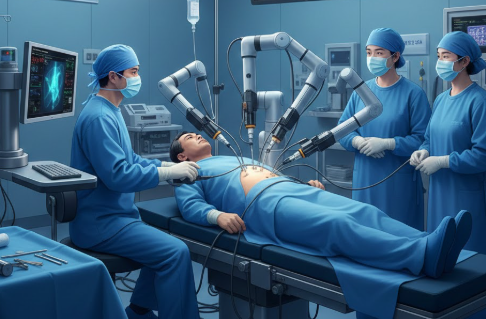
Salvage Prostatectomy in Korea
Treatment Overview Salvage Prostatectomy is a specialized surgical procedure performed to remove the prostate gland in men whose prostate cancer has recurred after initial treatments,

Treatment Overview Salvage Prostatectomy is a specialized surgical procedure performed to remove the prostate gland in men whose prostate cancer has recurred after initial treatments,
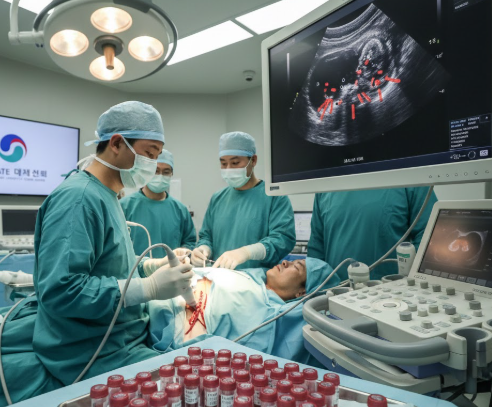
Treatment Overview A Saturation Prostate Biopsy is an advanced diagnostic procedure designed to detect prostate cancer by collecting a large number of tissue samples from
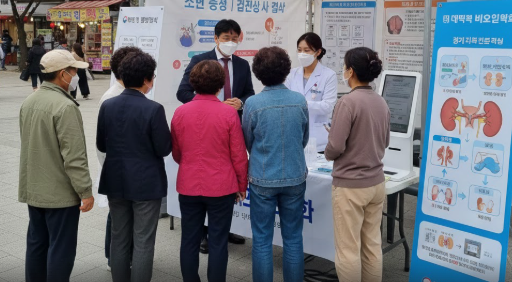
Treatment Overview Screening for urinary symptoms in Korea involves a comprehensive evaluation of men experiencing lower urinary tract symptoms (LUTS), such as frequent urination, weak
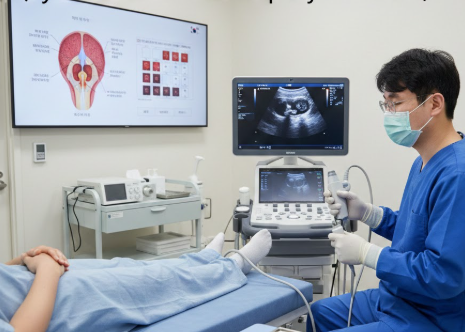
Treatment Overview A Systematic Prostate Biopsy is a diagnostic procedure used to detect prostate cancer. It involves taking multiple tissue samples (usually 10–12 cores) from
Treatment Overview Salvage Prostatectomy is a specialized surgical procedure performed to remove the prostate gland in men whose prostate cancer has recurred after initial treatments,
Treatment Overview A Saturation Prostate Biopsy is an advanced diagnostic procedure designed to detect prostate cancer by collecting a large number of tissue samples from
Treatment Overview Screening for urinary symptoms in Korea involves a comprehensive evaluation of men experiencing lower urinary tract symptoms (LUTS), such as frequent urination, weak
Treatment Overview A Systematic Prostate Biopsy is a diagnostic procedure used to detect prostate cancer. It involves taking multiple tissue samples (usually 10–12 cores) from