
Natural Treatments for BPH in Korea
Treatment Overview Benign Prostatic Hyperplasia (BPH), or prostate enlargement, is a common condition in men over 50 that can cause urinary difficulties such as weak

Treatment Overview Benign Prostatic Hyperplasia (BPH), or prostate enlargement, is a common condition in men over 50 that can cause urinary difficulties such as weak

Treatment Overview Neurogenic bladder is a condition caused by nerve damage affecting bladder control, leading to urinary incontinence, retention, or recurrent infections. Awareness and education
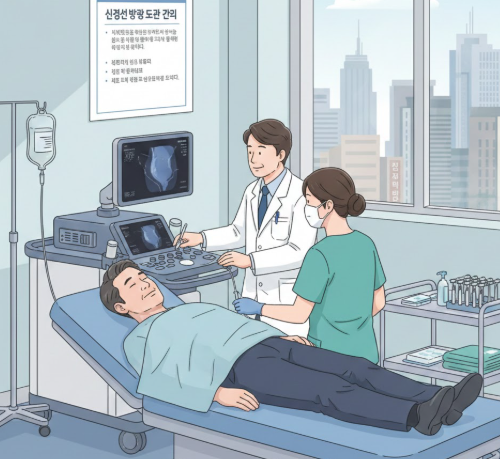
Treatment Overview Neurogenic bladder is a condition caused by nerve damage affecting bladder function, often leading to urinary retention or incontinence. Catheterization is a core
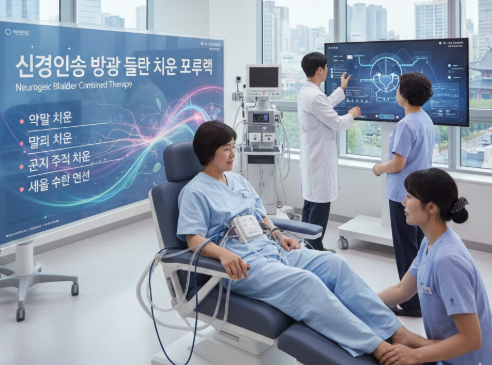
Treatment Overview Neurogenic bladder is a condition where nerve damage disrupts normal bladder function, leading to incontinence, urinary retention, or frequent infections. Combined therapy programs

Treatment Overview Neurogenic bladder occurs when nerve damage affects the bladder’s ability to store or empty urine properly. This condition can result from spinal cord

Treatment & Evaluation Overview Managing a Neurogenic Bladder often requires a combination of diagnostic work‑ups and therapeutic interventions — ranging from periodic assessments to more

Treatment Overview Neurogenic bladder is a condition caused by nerve damage that affects bladder control, leading to urinary incontinence, retention, or frequent urinary tract infections.

Treatment Overview Neurogenic bladder is a condition where nerve damage impairs normal bladder function, leading to urinary incontinence, retention, or recurrent infections. Korea has become
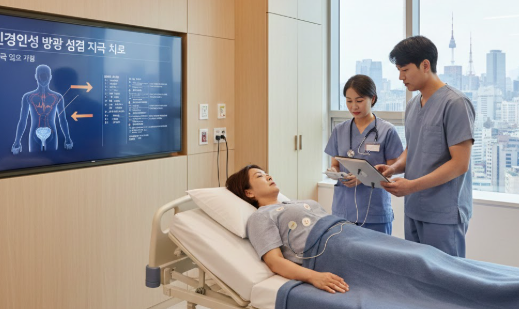
Treatment Overview Neurogenic bladder occurs when nerve damage disrupts normal bladder function, causing incontinence, urgency, or urinary retention. Nerve stimulation therapy, including sacral nerve stimulation

Treatment Overview Neurogenic bladder in children is a condition where nerve damage or congenital abnormalities interfere with normal bladder function, causing incontinence, urinary retention, or
Treatment Overview Benign Prostatic Hyperplasia (BPH), or prostate enlargement, is a common condition in men over 50 that can cause urinary difficulties such as weak
Treatment Overview Neurogenic bladder is a condition caused by nerve damage affecting bladder control, leading to urinary incontinence, retention, or recurrent infections. Awareness and education
Treatment Overview Neurogenic bladder is a condition caused by nerve damage affecting bladder function, often leading to urinary retention or incontinence. Catheterization is a core
Treatment Overview Neurogenic bladder is a condition where nerve damage disrupts normal bladder function, leading to incontinence, urinary retention, or frequent infections. Combined therapy programs
Treatment Overview Neurogenic bladder occurs when nerve damage affects the bladder’s ability to store or empty urine properly. This condition can result from spinal cord
Treatment & Evaluation Overview Managing a Neurogenic Bladder often requires a combination of diagnostic work‑ups and therapeutic interventions — ranging from periodic assessments to more
Treatment Overview Neurogenic bladder is a condition caused by nerve damage that affects bladder control, leading to urinary incontinence, retention, or frequent urinary tract infections.
Treatment Overview Neurogenic bladder is a condition where nerve damage impairs normal bladder function, leading to urinary incontinence, retention, or recurrent infections. Korea has become
Treatment Overview Neurogenic bladder occurs when nerve damage disrupts normal bladder function, causing incontinence, urgency, or urinary retention. Nerve stimulation therapy, including sacral nerve stimulation
Treatment Overview Neurogenic bladder in children is a condition where nerve damage or congenital abnormalities interfere with normal bladder function, causing incontinence, urinary retention, or